2026 Best Guide to Peb Steel Buildings for Your Next Project?
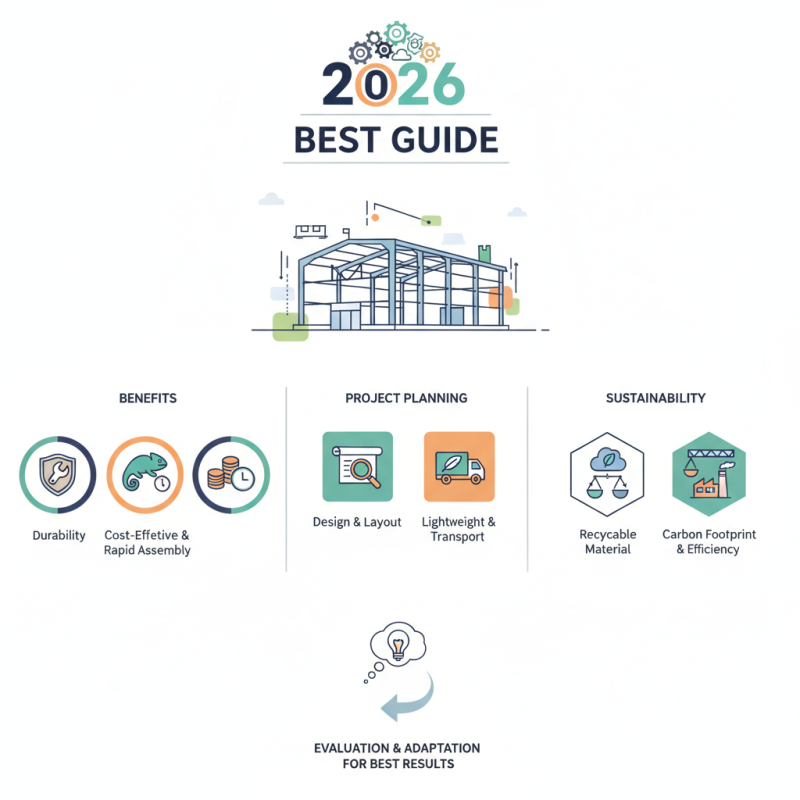
In the world of construction, Peb Steel Buildings have become increasingly popular. These structures offer durability and versatility. Industry expert John Smith once said, "Peb Steel Buildings can transform your project, providing cost-effective solutions and rapid assembly."
As you embark on your next project, understanding the benefits of Peb Steel Buildings is crucial. They can enhance efficiency and save time. The lightweight steel frames reduce transportation costs. However, choosing the right design and layout can be challenging. It requires careful planning to maximize their potential.
Additionally, do not overlook the environmental implications. While steel is recyclable, the production process has its carbon footprint. Striking a balance between efficiency and sustainability is key. Throughout your project, reflect on these aspects. The best results come from continuous evaluation and adaptation.
What are PEB Steel Buildings and Their Advantages?
PEB steel buildings, or pre-engineered buildings, are gaining popularity in modern construction. These structures are made from steel components manufactured under specific conditions. They offer numerous advantages, making them a choice for various projects. According to industry reports, PEBs can reduce construction time by up to 30%. This efficiency is crucial in meeting tight deadlines.
One major benefit of PEB steel buildings is their strength and durability. They can withstand harsh weather conditions, making them suitable for many locations. The use of steel offers better support compared to traditional materials. A study indicates that PEB structures can save up to 20% on labor costs, thanks to simpler assembly processes. However, not all projects may benefit equally. It’s essential to evaluate specific project needs before choosing PEBs, as they may require a certain level of upfront investment.
Sustainability is another consideration. Reports show that steel is one of the most recycled materials worldwide. Using PEBs contributes to sustainable construction practices. Yet, the environmental impact of steel production can't be ignored. Developing more sustainable practices in steel manufacturing is vital. This reflects an important aspect of using PEBs that must be thought through carefully by project managers.
Advantages of PEB Steel Buildings
Key Factors to Consider When Choosing PEB Steel Buildings
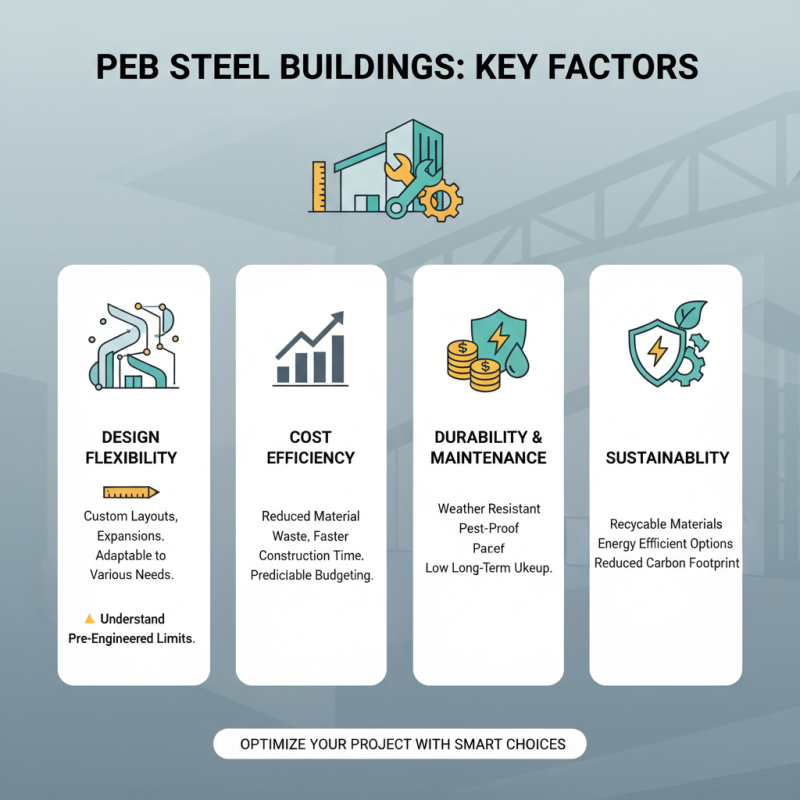
When choosing PEB steel buildings, several key factors come into play. The design flexibility is crucial. PEB structures can be customized to suit various needs. This allows for creative and functional layouts. However, understanding the limitations of pre-engineered designs is essential. Not every idea fits seamlessly into the PEB framework.
Cost efficiency is another consideration. While PEB buildings can be more affordable than traditional ones, hidden costs may arise. Site preparation and foundation requirements often add unexpected expenses. Buyers should be cautious and conduct thorough planning. Budget overruns can be a significant source of frustration.
In addition, local climate conditions need evaluation. Steel buildings respond differently to heat, cold, and humidity. Proper insulation and temperature control become vital. Yet, many overlook this aspect. Ignoring it could lead to discomfort or higher energy bills. Overall, being methodical in these considerations will enhance the effectiveness of your next project.
Design and Structural Options for PEB Steel Buildings
When considering Pre-Engineered Steel Buildings (PEB), design and structural choices are crucial.
The flexibility of PEB allows for various configurations. You can opt for clear span designs, which maximize usable space.
This is ideal for warehouses or large event centers. Alternatively, consider multi-span configurations if you need to fit a specific layout.
Choosing the right materials is also vital. Steel types can vary in strength and durability.
It’s essential to evaluate the environmental factors in your area. Think about corrosion resistance if you're in a humid environment.
This can be a game changer for longevity.
Tips: Always factor in future expansions when designing your PEB. This foresight can save costs down the line.
Be mindful of local building codes and regulations before finalizing your design. Sometimes, these can unexpectedly limit your options.
Engage with structural engineers early in the process. Their insights can influence design efficacy.
Remember, a solid foundation contributes to the overall stability of your PEB.
Cost Analysis: Budgeting for PEB Steel Construction
When budgeting for Pre-Engineered Building (PEB) steel construction, understanding costs is essential. The expenses can vary significantly based on design, size, and location. For instance, a simple structure may cost less than $50 per square foot, while a more complex design can reach up to $100 or more. It's crucial to account for both material and labor costs in your budget.
Unexpected issues can arise during construction. Changes in design can lead to increased costs. Weather delays may also push back your timeline, which can add to your expenses. It's wise to include a contingency fund to handle such surprises. This fund should be about 10% of your estimated budget.
Don't forget about maintenance costs. PEB structures often require less upkeep. However, over time, paint and protective coatings will need replacing. Budgeting for future repairs can save headaches later. Reviewing your projected costs regularly helps keep your project on track.
Future Trends in PEB Steel Building Technology and Sustainability
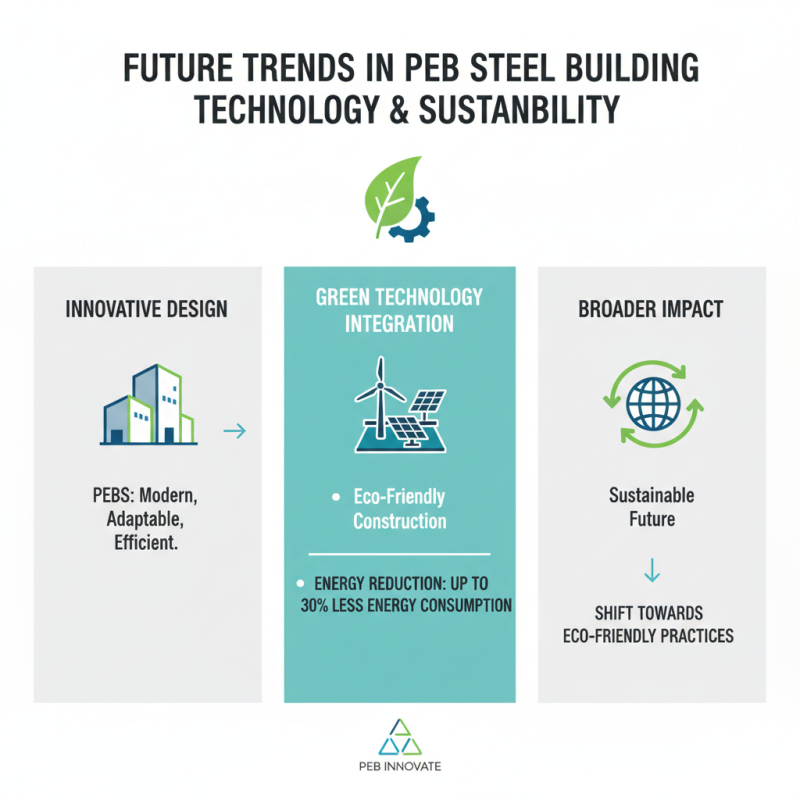
In recent years, Pre-Engineered Buildings (PEB) have captured attention for their innovative designs and sustainability features. As the construction industry evolves, the integration of green technologies is crucial. A recent report noted that PEB can reduce energy consumption by up to 30% compared to traditional buildings. This shift mirrors a broader trend toward eco-friendly construction practices.
Sustainability in PEB design often involves using recycled materials. For instance, steel structures made from up to 90% recycled content are now common. Additionally, the implementation of solar panels on PEBs can cut energy costs significantly. The trend also indicates a move towards greater thermal efficiency, with innovative insulation materials becoming standard.
Tips: Consider modular designs. They often require fewer materials and generate less waste. Also, explore local sourcing of materials. It can reduce transportation emissions. Evaluating the lifecycle of materials is vital. Do they contribute to prolonged sustainability? Reflecting on choices can lead to better outcomes.