Top Benefits of Peb Steel Buildings for Modern Construction Projects?
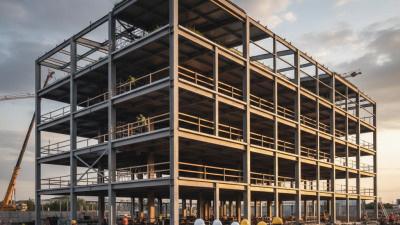
In recent years, construction projects have witnessed a significant evolution. One standout trend is the rise of Peb Steel Buildings. Industry expert Mark Johnson, a leading engineer with over 20 years of experience, emphasizes their impact: “Peb Steel Buildings redefine efficiency and versatility in modern architecture.”
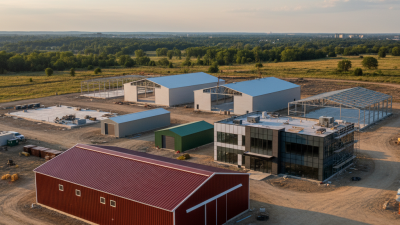
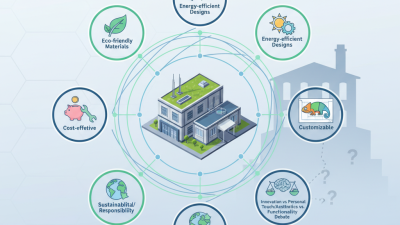
These structures offer numerous benefits, from cost-effectiveness to rapid construction times. Their lightweight steel frames reduce the need for extensive foundations, saving both time and resources. Additionally, Peb Steel Buildings can be customized easily, accommodating various architectural designs. This flexibility allows builders to innovate without being constrained by traditional materials.
However, there are challenges to consider. While they are durable, not all Peb Steel Buildings meet certain climate requirements. It's essential to choose the right specifications for different environments. As the industry embraces these advancements, a thorough understanding of potential limitations is vital. In doing so, construction professionals can harness the full potential of Peb Steel Buildings and drive the future of modern architecture forward.
Advantages of Durability in PEB Steel Buildings for Construction
PEB steel buildings have gained popularity in modern construction projects due to their durability. According to a report by the American Institute of Steel Construction, steel structures can last over 50 years with minimal maintenance. This longevity makes them a preferred choice for various applications. With the increasing costs of materials and labor, durability becomes a crucial factor in project planning.
The structural integrity of PEB buildings is another key advantage. They can withstand extreme weather conditions, including heavy winds and snow loads. A study by the Steel Construction Institute highlights that steel structures maintain their performance under stress better than traditional materials. This results in fewer repairs and lower long-term costs for property owners.
Environmental considerations also play a role. PEB steel is often partially made from recycled materials, promoting sustainability. The recycling factor can reach up to 90%, according to the World Steel Association. However, there are reflections to consider about carbon emissions in steel production. While steel buildings are durable, the production process still requires energy, calling for a balance between building efficiency and environmental impact.
Cost Efficiency: How PEB Steel Buildings Save Time and Money
Steel buildings have risen in popularity due to their cost efficiency. Many construction projects now incorporate Pre-Engineered Buildings (PEB) into their plans. According to a report by the American Institute of Steel Construction, these structures can reduce labor costs by up to 30%. This efficiency is attributed to the quick assembly time of PEB steel frames, allowing projects to meet deadlines more effectively.
The material itself is lightweight, which can further reduce transportation and foundation costs. Data from industry studies show that using steel can cut overall project costs by 20% to 30%. This aspect is crucial, especially for tight budgets. However, it is important to consider environmental factors, as sourcing steel can have ecological implications. Balancing cost with sustainability is vital.
Tips: When considering steel buildings, evaluate your long-term needs. Assess local climatic conditions to ensure resilience. Also, factor in the design phase—advanced planning can minimize waste. Reusing materials can enhance sustainability while keeping costs lower. Remember, investing time upfront can lead to significant savings down the line.
Design Flexibility and Customization Options in PEB Steel Structures
PEB (Pre-Engineered Building) steel structures offer remarkable design flexibility and customization options. These buildings are not just functional; they can be tailored to meet specific needs. According to a report by the American Institute of Steel Construction, PEBs reduce construction time by up to 30%. This allows for quicker occupancy and a faster return on investment.
Customizing PEB buildings can range from size and shape to color and insulation. With advanced technology in design software, architects can create structures that align with a company’s branding or unique aesthetic. A study by the National Institute of Standards and Technology highlights that 90% of professionals appreciate the adaptive nature of PEBs in modern construction. This adaptability also allows for easy future expansions, accommodating growing businesses seamlessly.
Despite their advantages, challenges exist in the customization process. Some architectural visions may encounter limitations in material availability or structural integrity. Additionally, cost considerations can arise, particularly when selecting high-performance materials. These factors require careful planning and consultation with experienced professionals to achieve optimal results in PEB construction. Balancing creativity with practicality remains a key aspect of successful design in this evolving industry.
Top Benefits of PEB Steel Buildings for Modern Construction Projects
Energy Efficiency and Sustainability Benefits of PEB Steel Buildings
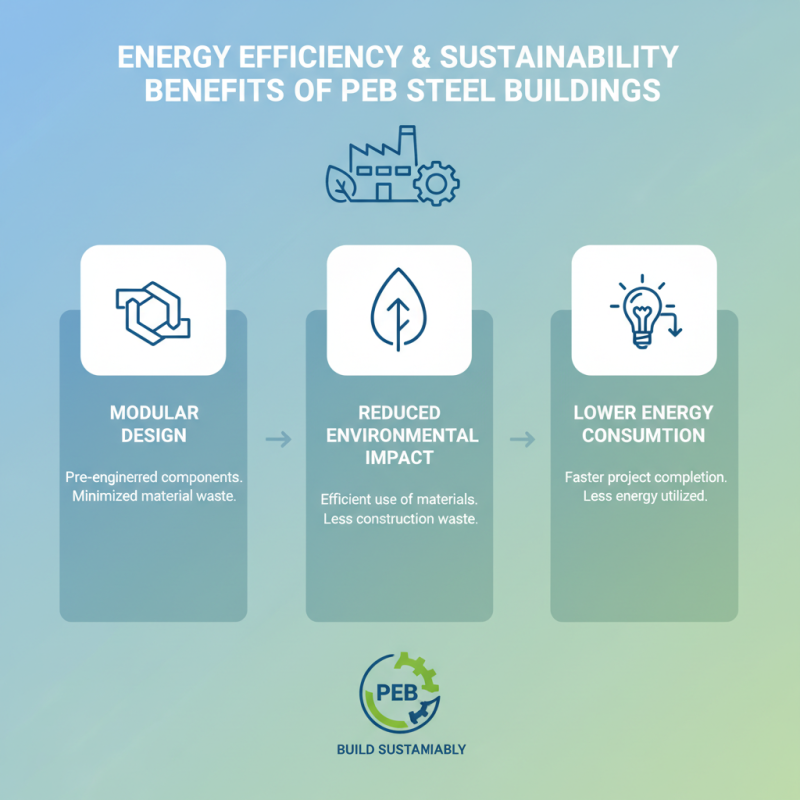
PEB steel buildings are becoming increasingly popular in modern construction due to their energy efficiency and sustainability. These structures are designed using pre-engineered components, which minimizes waste during production. This efficient use of materials reduces the environmental impact significantly. Choosing PEB allows builders to complete projects with less energy consumption compared to traditional methods.
One of the key benefits is the thermal efficiency of steel buildings. They can be insulated effectively, which helps maintain stable indoor temperatures. This feature leads to lower energy costs over time. However, insulation techniques vary widely. It's crucial to choose the right insulation to maximize energy savings. Another notable point is the reduction of carbon footprint. PEB steel can often be recycled at the end of its lifespan, contributing to a circular economy.
Despite these advantages, there are challenges. Not every construction site is suitable for PEB steel buildings. Site-specific conditions can affect their performance. Builders must thoroughly assess these factors. Additionally, while PEB steel is durable, it may require maintenance to prevent corrosion. Regular inspections are key to ensuring longevity. Taking a proactive approach can help mitigate some of these concerns.
Quick Assembly and Reduced Construction Time with PEB Solutions
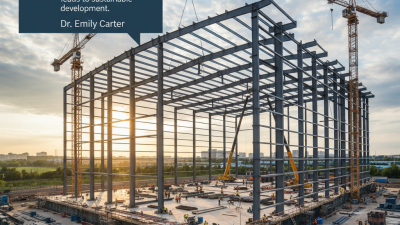
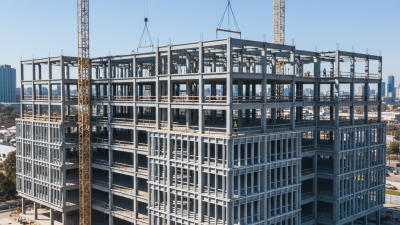
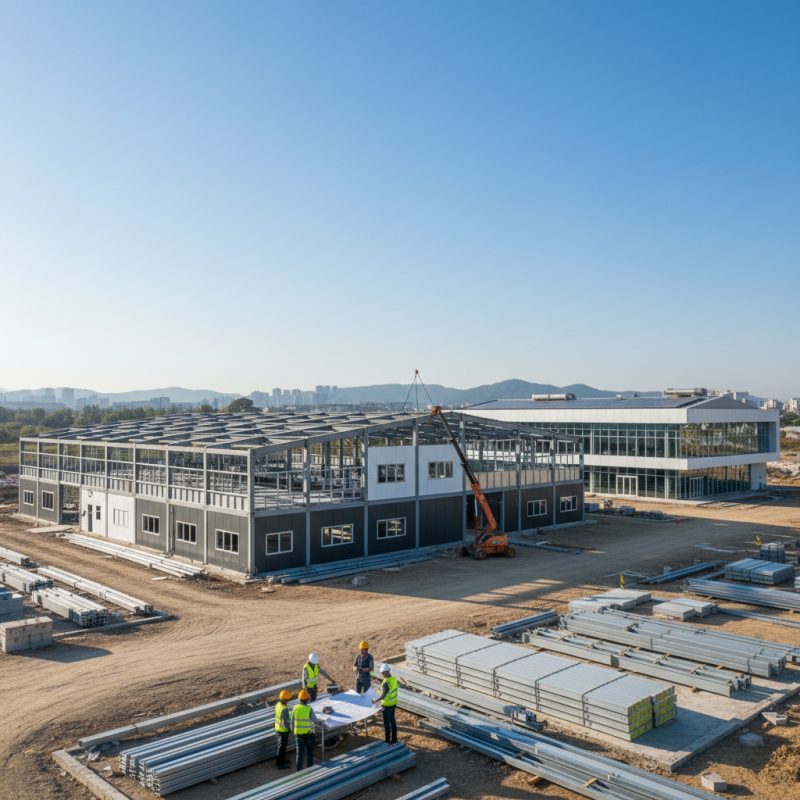
Modern construction projects face tight deadlines. Quick assembly is crucial for success. Prefabricated steel buildings (PEB) offer an effective solution. These structures can be assembled rapidly on-site. This leads to reduced labor costs and shorter project timelines.
PEB solutions utilize pre-engineered components. They arrive ready for installation, minimizing on-site work. This method also allows for precise construction. Each piece fits together seamlessly. However, reliability in the initial design is vital. Poor planning can lead to setbacks and increased costs. Balancing speed with quality is essential for project success.
Structural integrity is also a factor. While steel is known for its strength, each project must prioritize reinforcement. In some cases, the rapid pace may overlook important checks. Teams must remain vigilant to avoid future issues. Developing a robust assembly plan is essential to ensure safety and durability.