inquiry
Leave Your Message

Top 10 Benefits of Prefabricated Steel Buildings for Buyers?

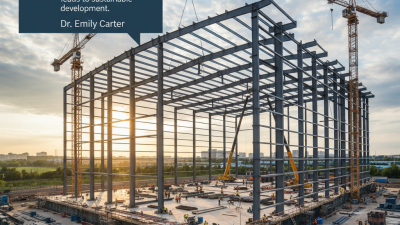
In recent years, the demand for Prefabricated Steel Buildings has surged. Experts like John Smith, a leading figure in the industry, have noted, “The flexibility and durability of these structures reshape the construction landscape.” Prefabricated Steel Buildings offer several advantages that appeal to both buyers and builders alike.

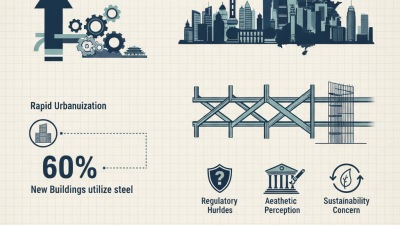
These innovative solutions can be rapidly constructed, saving both time and money. Buyers appreciate the energy efficiency and lower maintenance costs these buildings provide. However, some may worry about the aesthetics of steel structures, which can appear cold or industrial.

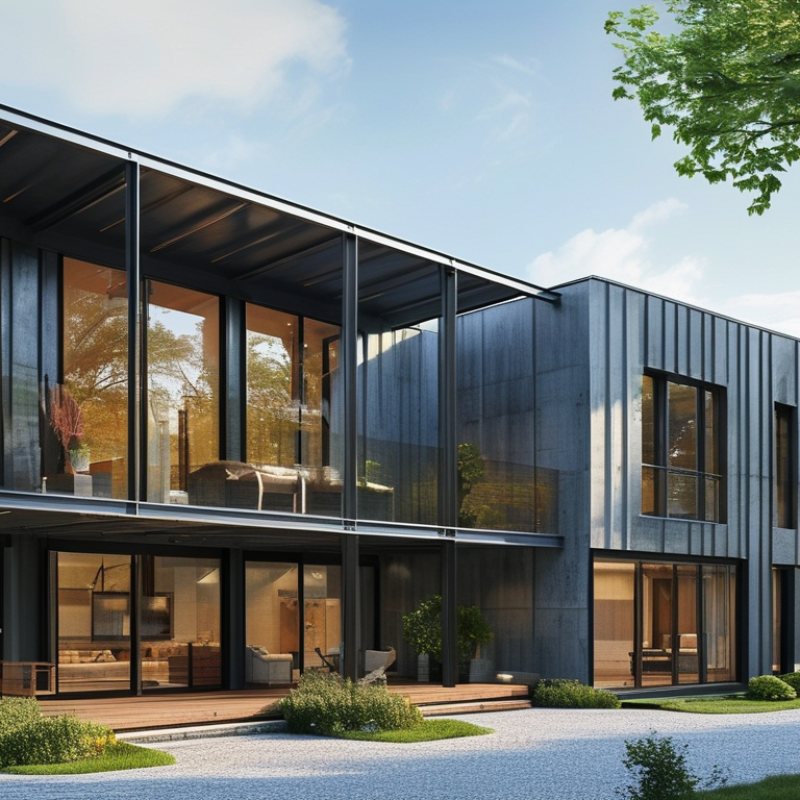
Despite these concerns, many find that the benefits outweigh the drawbacks. Prefabricated Steel Buildings are remarkably resilient against natural disasters. They can also be customized to blend with various environments. This blending of functionality and design makes them a smart investment for various applications. With ongoing advancements, the potential for these structures continues to expand.
Top 10 Benefits of Prefabricated Steel Buildings for Buyers?

Benefits of Reduced Construction Time with Prefabricated Steel Buildings

Prefabricated steel buildings are revolutionizing construction timelines. A study by the National Institute of Building Sciences reveals that prefabricated structures can reduce construction time by up to 50% compared to traditional methods. This significant time savings is driven by streamlined production processes. Components are manufactured in controlled environments, which minimizes delays from weather and labor issues on-site.

Additionally, these buildings can be erected quickly, making them ideal for urgent projects. According to a report from the American Institute of Steel Construction, prefabricated steel frameworks enable faster on-site assembly. Warehouse facilities, for instance, can be ready for operation within weeks, not months. However, some buyers may overlook the importance of careful planning and design during prefabrication. Without clear specifications and communication, delays can occur during integration.

The reduced construction time offers financial benefits, too. Faster project completion leads to quicker returns on investment. However, inexperienced buyers might rush into projects without fully understanding the intricacies of prefabrication. Realizing the balance between speed and quality is crucial. Investing in expertise could guard against potential pitfalls in the construction process.
Cost-Effectiveness: Analyzing Savings on Materials and Labor

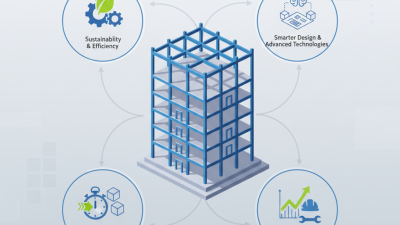
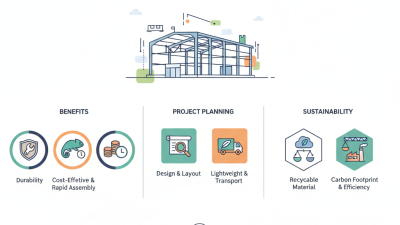
Prefabricated steel buildings have revolutionized the construction industry. They bring cost-effectiveness by significantly reducing material waste and labor expenses. According to a report from the National Institute of Standards and Technology, using prefabricated components can cut construction costs by 10% to 20%. This is important for buyers aiming to maximize their budget.

One key area is the labor savings. Prefabricated buildings can be assembled faster. The American Institute of Steel Construction states that onsite labor can be reduced by up to 50% when using pre-made parts. This means less time spent on construction sites and lower labor costs, which can be a game-changer for many buyers.

Tips: Consider the long-term savings. While initial costs matter, the speed of assembly can lead to faster occupancy. Secondly, ensure you partner with reliable suppliers to minimize delays. A thorough cost analysis is crucial before making decisions. Reflect on your specific project needs to better understand how prefabricated solutions can serve you.

Enhanced Durability and Structural Integrity of Steel Buildings

Prefabricated steel buildings offer impressive durability and structural integrity. Steel, as a construction material, exhibits strength far superior to conventional wood or concrete. It withstands harsh weather conditions, including heavy winds and snow loads. This resilience makes steel a wise investment for buyers looking for long-lasting structures.

Another advantage of steel buildings is their resistance to pests and rot. Bug infestations can destroy wooden structures. Steel eliminates this concern, ensuring your investment holds up over time. Additionally, steel can endure fire better than many other materials, reducing overall risk.

While steel buildings are durable, buyers should also consider long-term maintenance. Corrosion can become an issue if not managed properly. Regular inspections can help identify any weak points. Investing in coating treatments can also enhance longevity. Balancing these factors leads to informed decisions in the buying process.

Energy Efficiency: Sustainable Features of Prefabricated Steel Structures

Prefabricated steel structures offer remarkable energy efficiency, standing out in today's sustainable construction landscape. Their design often incorporates insulation materials that reduce energy consumption. This leads to decreased heating and cooling costs, benefiting both the environment and the buyer's wallet. Additionally, the shiny surface of steel reflects sunlight, minimizing heat absorption in warm months.


These buildings can be equipped with solar panels easily, creating an opportunity for renewable energy generation. However, not all designs maximize this potential. Some buildings may require structural adjustments to support solar installations. Moreover, the energy efficiency of these buildings can depend on local climate conditions, making a thoughtful approach essential.


Ventilation systems integrated into prefabricated steel buildings can also improve indoor air quality. Yet, they must be correctly sized and placed for optimal performance. Many buyers overlook the importance of proper ventilation, which can lead to higher energy use and discomfort. Addressing these details ensures that prefabricated steel buildings fulfill their promise of sustainability while providing long-term value.

Flexibility and Customization Options in Design for Buyers

Prefabricated steel buildings offer incredible flexibility in design. Buyers can customize layouts to fit their needs. Whether it's for warehouses or retail spaces, options abound. This adaptability is crucial for various industries facing evolving demands. Steel structures can be easily resized and modified as requirements change.

Customization is not just about size. Buyers can also select finishes, colors, and internal layouts. This means a business can reflect its unique brand identity. However, it is important to work with experienced builders who understand these options. A lack of clear communication can lead to disappointment. Precise planning is essential for achieving desired results.

The ability to adapt designs also saves time and reduces costs. Structures can be erected swiftly, minimizing disruption. Still, some buyers may struggle with understanding which designs suit their objectives. It can be challenging to envision a final product from initial plans. This highlights the importance of consultation with design experts. Their insights can guide buyers through the process effectively.

Top 10 Benefits of Prefabricated Steel Buildings for Buyers

Benefit Description Customization Options Flexibility
Cost-Effective Lower initial construction costs and reduced labor costs. Options for size, layout, and interior finishes. Easy to expand or modify structure as needs change.
Speed of Construction Quicker construction times due to pre-manufactured components. Custom designs can be prefabricated for rapid assembly. Preplanned flexibility allows for quick adjustments during build.
Durability Resistant to harsh weather and pest damage. Customization in materials and insulation types. Flexible designs can withstand diverse environments.
Energy Efficiency Design options that meet energy efficiency standards. Insulation choices for optimal thermal performance. Adaptable energy solutions can be integrated.
Eco-Friendly Sustainable materials and recycling options available. Custom designs can incorporate sustainable features. Flexible designs can accommodate green technologies.
Low Maintenance Materials are designed for minimal upkeep. Custom finishes for easier care. Flexible layouts reduce wear and tear on spaces.
Versatility Suitable for various applications from retail to storage. Custom designs cater to specific business needs. Flexible spaces accommodate changing business models.
Safety Structures are resistant to fire, earthquakes, and storms. Custom building codes and safety features available. Flexible design can enhance safety measures.
Aesthetic Appeal Modern look and variety in design options. Customizable facades and layouts enhance visual appeal. Flexible architectural choices for unique aesthetics.
Investment Value Long lifespan and low depreciation make them a wise investment. Custom features can increase property value. Flexible designs attract diverse buyers and tenants.