Top 10 Benefits of Prefabricated Steel Structures for Modern Construction?
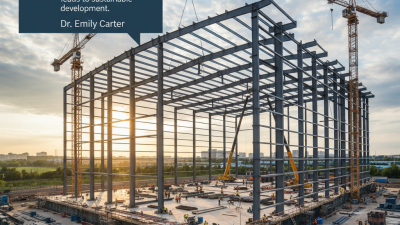
In the modern construction landscape, Prefabricated Steel Structures have emerged as a game-changer. According to Dr. Emily Carter, a leading expert in industrial engineering, "The future of construction hinges on the efficiency and versatility of prefabricated solutions." Her insights highlight a significant shift in building practices.
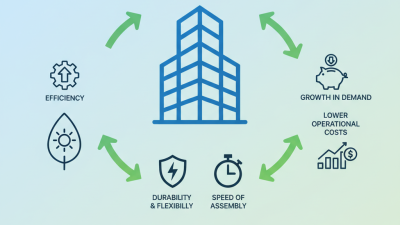
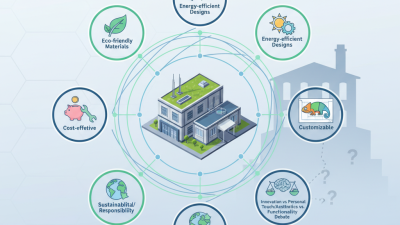
These structures offer speed and cost-effectiveness, streamlining the construction process. Prefabrication reduces on-site labor, minimizing time and risk. However, some may question the perceived limitations in design flexibility. Despite these concerns, the adaptability of Prefabricated Steel Structures allows for various architectural styles.
Moreover, their durability and sustainability are pivotal in addressing today’s environmental challenges. Though some traditionalists may resist this shift, the benefits are compelling. The balance between innovation and traditional methods requires ongoing reflection and adaptation. As the industry evolves, embracing Prefabricated Steel Structures may pave the way for a more efficient future in construction.
Benefits of Enhanced Durability in Prefabricated Steel Structures
Prefabricated steel structures offer remarkable durability, making them ideal for modern construction. Steel inherently resists harsh weather conditions and seismic activities better than traditional materials. This resilience ensures that buildings maintain their integrity over time, reducing maintenance costs and enhancing safety.
Consider the impact of design choices. Choosing high-quality steel can significantly boost the longevity of a structure. Many projects fail because of substandard material choices. Investing in robust connections and coatings can further protect against corrosion. Inspecting these elements regularly can prevent costly damage.
Tips for maximizing durability include selecting the right coatings and performing regular maintenance checks. Ensure that joints are sealed properly to prevent water ingress. Implementing a rigorous inspection routine can detect potential issues early. It’s crucial to stay informed about advancements in materials and techniques within the industry. Following these guidelines can improve the lifespan of any prefabricated steel structure.
Impact of Prefabricated Steel on Construction Speed and Efficiency
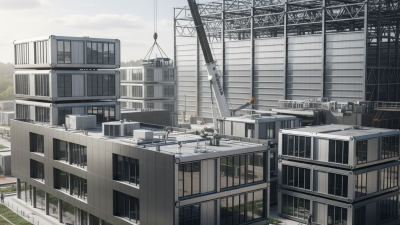
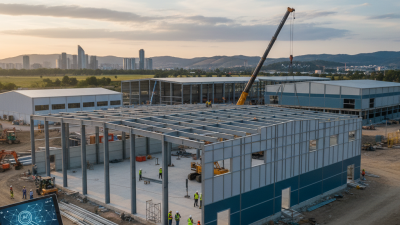
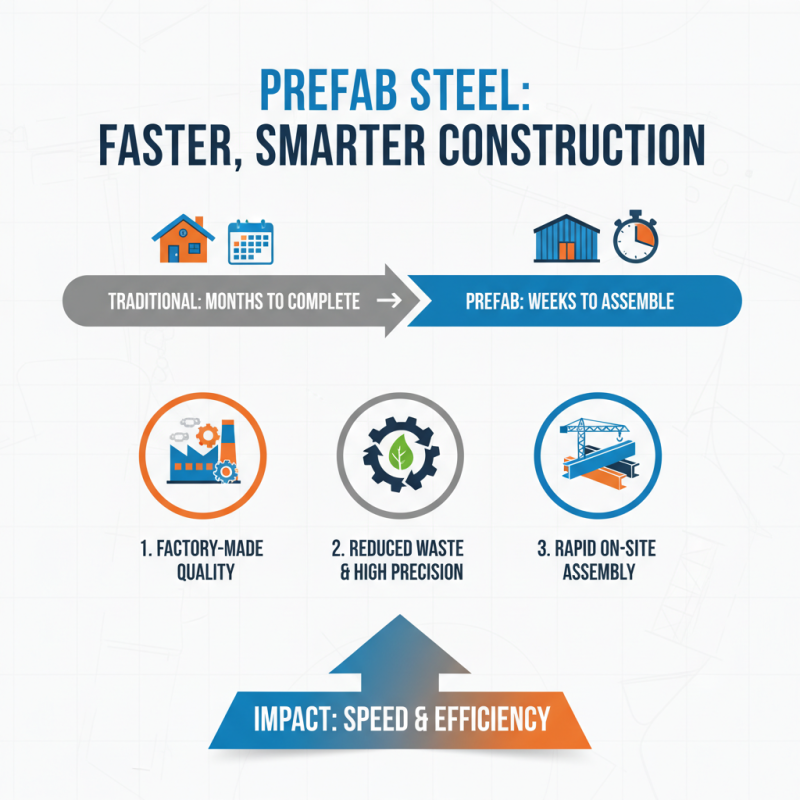
Prefabricated steel structures offer remarkable benefits that can significantly impact construction speed and efficiency. These structures are manufactured in controlled factory settings. This leads to higher quality and reduced waste. When components arrive on site, they can be quickly assembled, which shortens the overall building timeline. A project that might take months can often be completed in weeks, a substantial advantage for contractors.
However, the benefits aren't without challenges. Coordinating delivery times and managing on-site assembly require careful planning. Delays in transportation can interrupt the flow of construction. Furthermore, labor must be skilled in steel connection techniques to ensure safety and stability. In addition, while prefabrication can reduce site disruption, it can present difficulties in design flexibility. Changes made after production begins can be costly and time-consuming, requiring consideration during the initial design phase.
These complexities remind us that while prefabricated steel structures are a game changer, they demand thorough project management. Steel construction may not suit every project type. Understanding both benefits and limitations is crucial for successful implementation. Balancing speed and efficiency with potential drawbacks can lead to better outcomes in modern construction practices.
Cost-Effectiveness: Analyzing Financial Savings with Steel Prefabrication
Prefabricated steel structures offer notable financial advantages for modern construction. Cost-effectiveness is a critical factor driving their popularity. Using prefabrication minimizes waste and reduces labor costs, as components are manufactured off-site. This streamlined approach often leads to quicker building times, further decreasing the overall project budget.
Additionally, steel's durability contributes to long-term savings. Steel structures require less maintenance compared to traditional materials. With lower repair needs, owners can experience significant cost reductions over the building's lifespan. However, it's important to consider fluctuations in market prices for raw materials, which can impact overall costs.
The up-front investment in prefabricated steel may seem high initially, but the financial returns can be substantial. This method allows for precise budgeting and planning. Delays due to weather or on-site complexities are significantly lessened. Some may wonder if the benefits truly outweigh the initial expenses, but many professionals endorse the long-term advantages of prefabrication in steel. These factors illustrate the evolving landscape of construction, where cost-efficiency and sustainability increasingly shape decision-making.
Top 10 Benefits of Prefabricated Steel Structures for Modern Construction
| Benefit |
Description |
Estimated Cost Savings (%) |
| Reduced Labor Costs |
Prefabricated components require less labor on-site, saving money on workforce expenses. |
20-30% |
| Faster Construction Time |
Off-site construction allows for parallel processing, reducing overall project duration. |
15-25% |
| Less Material Waste |
Precision manufacturing reduces waste, leading to lower material costs. |
10-20% |
| Energy Efficiency |
Steel structures can be designed for better insulation, lowering energy use. |
5-15% |
| Durability |
Steel is resistant to weather, pests, and rot, minimizing repair costs over time. |
10-20% |
| Design Flexibility |
Steel allows for a variety of designs, accommodating numerous architectural styles. |
N/A |
| Lower Insurance Premiums |
Steel's durability can lead to lower insurance costs compared to traditional materials. |
5-10% |
| Sustainability |
Steel is recyclable, reducing the environmental impact of construction. |
N/A |
| Quality Control |
Controlled environment fabrication ensures consistent quality of building materials. |
N/A |
| Enhanced Safety |
Off-site assembly reduces on-site accidents and improves overall safety for workers. |
N/A |
Sustainability and Environmental Benefits of Steel Construction Methods
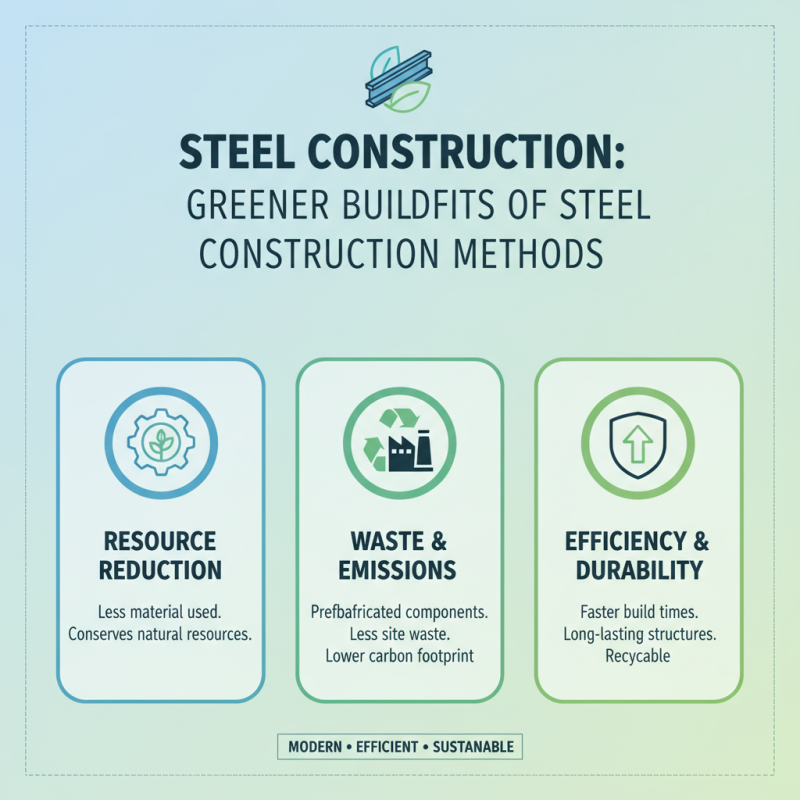
Steel structures offer numerous sustainability and environmental benefits that are reshaping modern construction. By using less material than traditional building methods, they reduce the depletion of natural resources. These prefabricated components are often produced in factories, leading to less waste on construction sites. Consequently, overall efficiency improves, and the carbon footprint of the building process decreases.
Recycling is another core advantage. Steel can be recycled multiple times without losing strength or quality. This characteristic allows construction projects to utilize recycled steel, lessening the need for virgin materials. In addition, steel structures have a longer lifespan compared to wood and other materials, which means they require fewer replacements over time, further conserving resources. However, despite these benefits, the energy-intensive manufacturing process still poses challenges. There’s ongoing discussion in the industry about how to make steel production even more sustainable. This area of improvement remains crucial for advancing environmental objectives in construction.
Flexibility in Design and Modifications with Prefabricated Steel Solutions
Prefabricated steel structures offer immense flexibility in design. They allow architects and builders to create innovative designs that meet unique project requirements. Changes can be made during the design phase with minimal disruption. This adaptability is crucial in today’s fast-paced construction environment.
Modifications can be executed quickly. If project needs evolve, steel components can be adjusted without significant delays. This reduces downtime, enabling timely project completion. With various finishes and configurations available, clients can personalize their structures. However, implementing changes requires careful planning to avoid costly mistakes.
Using prefabricated steel does not guarantee perfection. Each modification process can introduce unexpected challenges. For instance, miscommunication between teams may lead to design discrepancies. It's essential to maintain clear lines of communication throughout the project lifecycle. Ultimately, balancing creativity with practical constraints can yield beautifully designed spaces tailored for modern use.
Top 10 Benefits of Prefabricated Steel Structures for Modern Construction
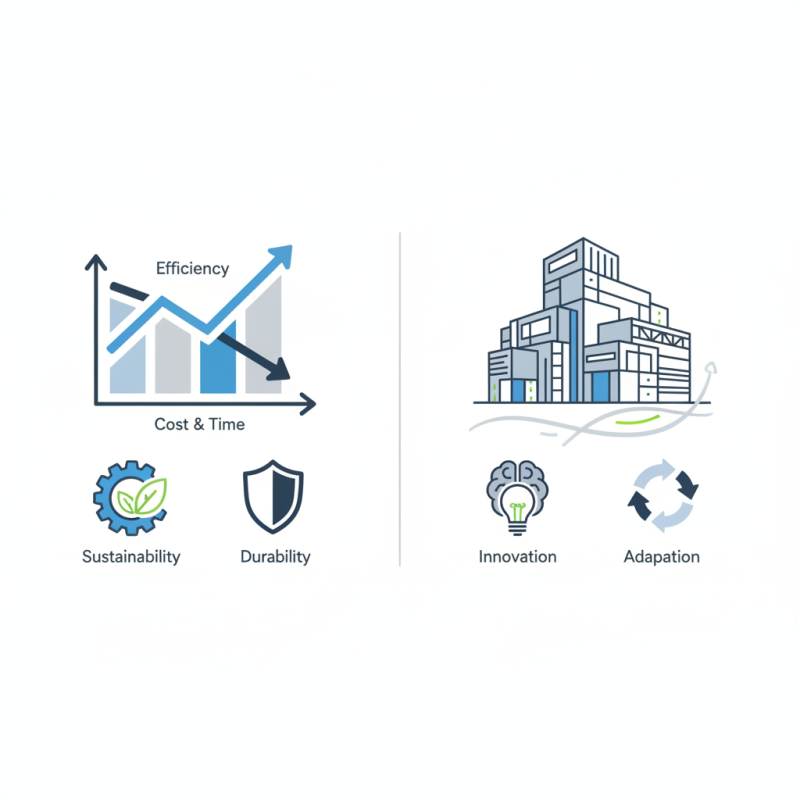
This chart illustrates the key benefits of prefabricated steel structures, highlighting their advantages in modern construction.