2026 Best Pre Structured Building Options for Modern Construction?
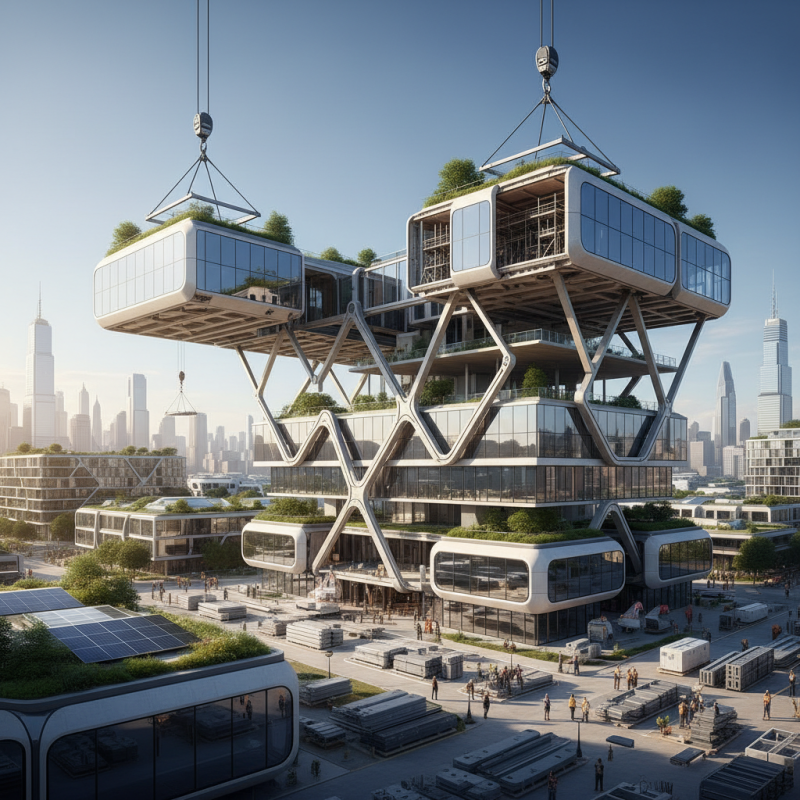
The construction industry is evolving rapidly. Pre Structured Building techniques are becoming popular for modern projects. These methods offer efficiency and cost-effectiveness. Builders are drawn to their speed and sustainability. In 2026, several noteworthy options will emerge in this field.
Pre Structured Buildings allow for quicker assembly. They use components manufactured off-site. This saves time and reduces waste. However, challenges remain in customization and design flexibility. Finding the right balance can be tough.
Future options may include advanced materials and innovative designs. These developments promise enhanced durability and functionality. Yet, they might also induce concerns about environmental impact. As we explore these building options, it is crucial to remain critical. Understanding both benefits and drawbacks will shape our construction practices.
2026 Trends in Pre Structured Building Technologies for Modern Construction
The landscape of modern construction is evolving rapidly, and pre-structured building technologies take center stage.
Buildings designed off-site are gaining traction for their efficiency. Speed is a major benefit.
Projects that once took months can be completed in weeks.
However, this speed comes with its own challenges. Quality control can be tricky.
Modular designs are becoming more popular, providing flexibility in layout and function. This shift encourages collaboration among architects and engineers.
Still, coordination issues can arise. Miscommunication can lead to design flaws. These challenges remind us that innovation requires constant adjustment.
Sustainable practices are also at the forefront. Many builders are seeking eco-friendly materials and energy-efficient systems.
However, the balance between cost and sustainability is complex. Sometimes, the cheapest option may not align with environmental goals.
Finding the right materials is essential for future-focused construction.
The journey of integrating these trends is both exciting and daunting.
Key Benefits of Pre Structured Buildings in Contemporary Architecture
Pre-structured buildings offer significant advantages for modern construction. One major benefit is time efficiency. According to a report by the Modular Building Institute, pre-structured projects can reduce construction time by up to 50%. This accelerated timeline keeps projects on schedule and can lead to lower labor costs. In fast-paced markets, this is a game changer.
Cost savings are another crucial factor. A study indicates that pre-structured buildings can save up to 20% in overall building costs. However, these structures may involve higher initial investment due to manufacturing setup. This is a concern for many developers. They must weigh upfront costs against long-term savings.
Sustainability also plays a vital role. Prefabricated buildings often use less material and create less waste. The U.S. Green Building Council reports that they can contribute to LEED certification. However, sustainability efforts can sometimes focus too much on the building itself. There is a need for better overall site management to enhance environmental impact.
The flexibility of design is another highlight. Pre-structured buildings can adapt to various styles and needs. But it can be challenging to balance customization with production efficiency. Ultimately, while pre-structured buildings bring many benefits, careful consideration is essential for successful implementation.
2026 Best Pre Structured Building Options for Modern Construction
| Building Type |
Material |
Key Benefits |
Estimated Cost per Square Foot |
Construction Time |
| Modular Homes |
Wood and Steel |
Quick assembly, energy efficiency, cost-effective |
$100 - $300 |
3-6 months |
| Prefabricated Steel Buildings |
Steel |
Durable, resistant to weather, customizable |
$150 - $250 |
2-4 months |
| Precast Concrete Structures |
Concrete |
High strength, fire resistance, low maintenance |
$120 - $220 |
4-8 months |
| SIP (Structural Insulated Panels) Buildings |
EPS Foam and OSB |
Excellent insulation, fast construction, eco-friendly |
$90 - $210 |
3-5 months |
| Container Buildings |
Shipping Containers |
Repurposed materials, mobile, unique design |
$100 - $200 |
2-4 months |
Market Analysis: Growth of Pre Structured Buildings in the Construction Industry
The construction industry is undergoing significant changes. Pre-structured buildings are gaining traction. These modular designs offer speed and efficiency. Builders can erect structures in a fraction of the time. Often, this approach reduces waste and labor costs. However, challenges remain. Not all designs fit every project. Customization can become complex and costly.
Market analysis shows rapid growth in this sector. Many companies now explore innovative materials. Sustainability is at the forefront of this evolution. Potential buyers often seek eco-friendly options. There is a growing demand for energy-efficient buildings. Yet, some critics argue that standards can vary widely. Quality control issues may arise.
The future looks bright, with opportunities ahead. Digital tools, like building information modeling, enhance precision. However, the need for skilled workers grows. Existing training programs might not keep pace. Addressing these gaps will take time. Exploring new avenues in pre-structured buildings is essential for long-term success.
Sustainability in Pre Structured Building Options: A 2026 Perspective
As we look toward the future of construction, sustainability takes center stage. Pre-structured building options in 2026 aim to reduce waste and energy consumption. Materials are evolving, with recycled content becoming more standard. This shift can minimize the carbon footprint of new buildings. Innovative designs allow natural light to illuminate spaces, lowering electricity use.
However, challenges persist. Many pre-structured options may not fully utilize local resources. Duplication of designs can lead to inefficiencies. There’s also the risk of overlooking the needs of communities. Each building must reflect its surroundings. Striking a balance between functionality and sustainability is imperative.
Adaptation is key in this evolving landscape. Embracing modular designs could lead to faster construction timelines. Yet, some systems may still struggle under extreme weather conditions. Future developments must address resilience as a primary concern. With creativity and intent, the industry can navigate these hurdles effectively.
2026 Best Pre Structured Building Options: Sustainability Perspective
Technological Innovations Driving Pre Structured Construction Efficiency
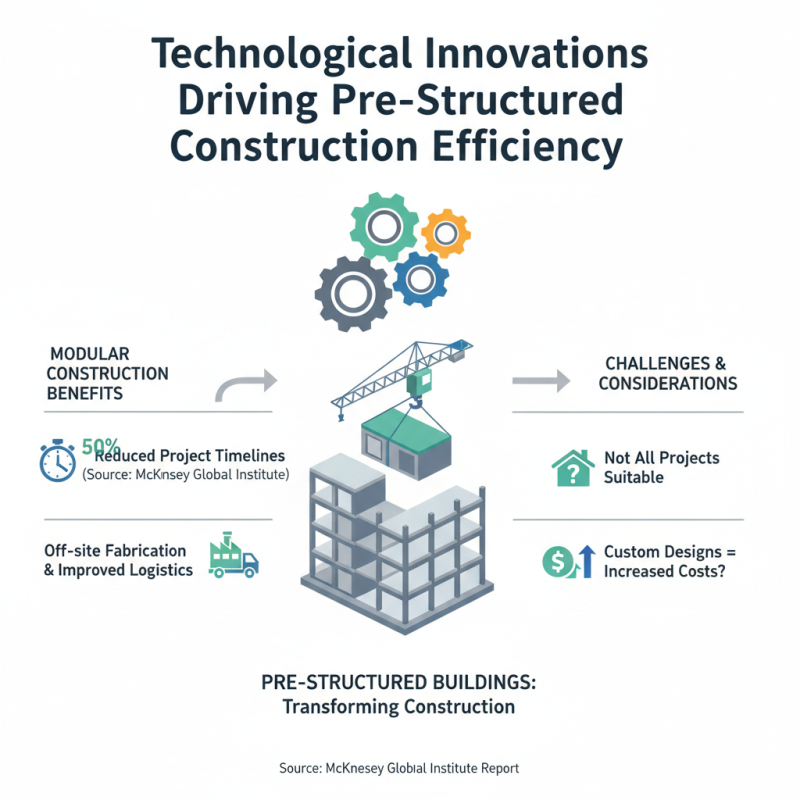
Pre-structured buildings are transforming construction efficiency. According to a report by the McKinsey Global Institute, modular construction can reduce project timelines by up to 50%. This speed comes from off-site fabrication and improved logistics. However, challenges remain. Not all projects are suitable for modular approaches. Custom designs might lead to increased costs.
Technological innovations are crucial for enhancing these systems. Building Information Modeling (BIM) allows for better planning and integration. A study from Dodge Data & Analytics shows that teams utilizing BIM report 14% fewer rework instances. Yet, adoption rates are still low. Only about 30% of firms use BIM extensively. Resistance to change is a barrier that the industry needs to address.
Sustainability is another factor driving pre-structured building options. A report from the World Green Building Council highlights that prefabrication can cut waste by 20-30%. Despite the benefits, some practitioners cite concerns about material quality. It’s essential to find a balance between speed and craftsmanship. Pre-structured construction holds great potential, but implementation requires careful consideration.