2026 Best Prefabricated Steel Buildings for Your Next Project?
The construction industry is undergoing a significant transformation, and Prefabricated Steel Buildings are at the forefront. Recent reports indicate that the global prefabricated building market is expected to grow at a CAGR of 6% from 2021 to 2026. This trend highlights a shift towards more efficient building practices. Prefabricated Steel Buildings offer reduced assembly time and cost savings, making them attractive for various projects.
In 2026, these buildings will likely play a crucial role in residential, commercial, and industrial sectors. They are known for their durability and sustainability. However, challenges remain, such as ensuring quality control and meeting local building codes. According to a recent industry analysis, about 30% of projects experience delays due to regulatory issues. This raises questions about the balance between speed and compliance.
While Prefabricated Steel Buildings provide innovative solutions, they are not without flaws. Mistakes in design and planning can lead to increased costs and time overruns. Stakeholders must approach these projects with a critical eye. As the market evolves, embracing advancements in technology and design will be essential for successful implementation.
Overview of Prefabricated Steel Buildings in Modern Construction
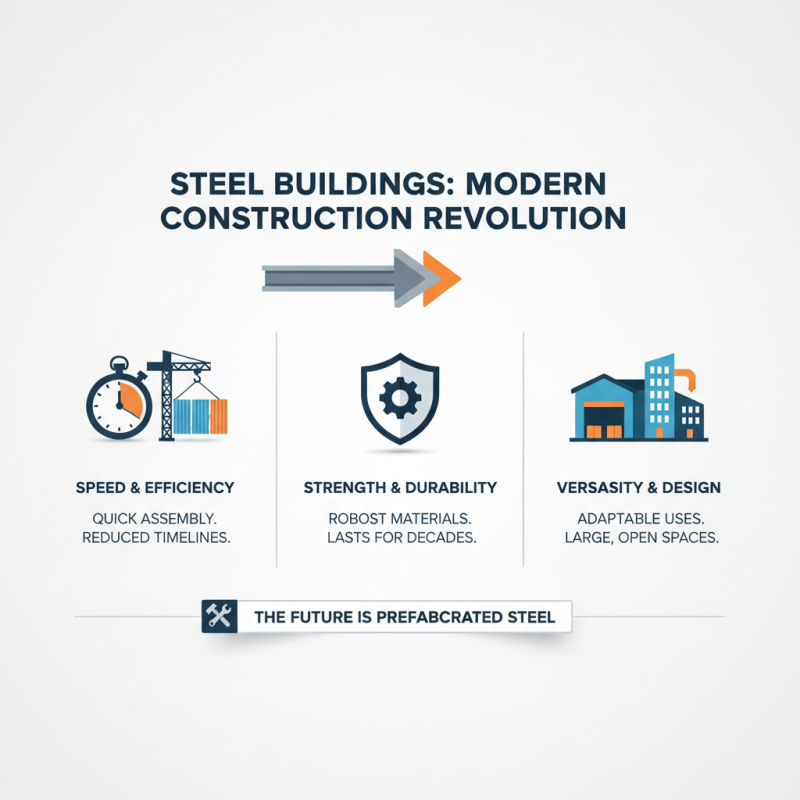
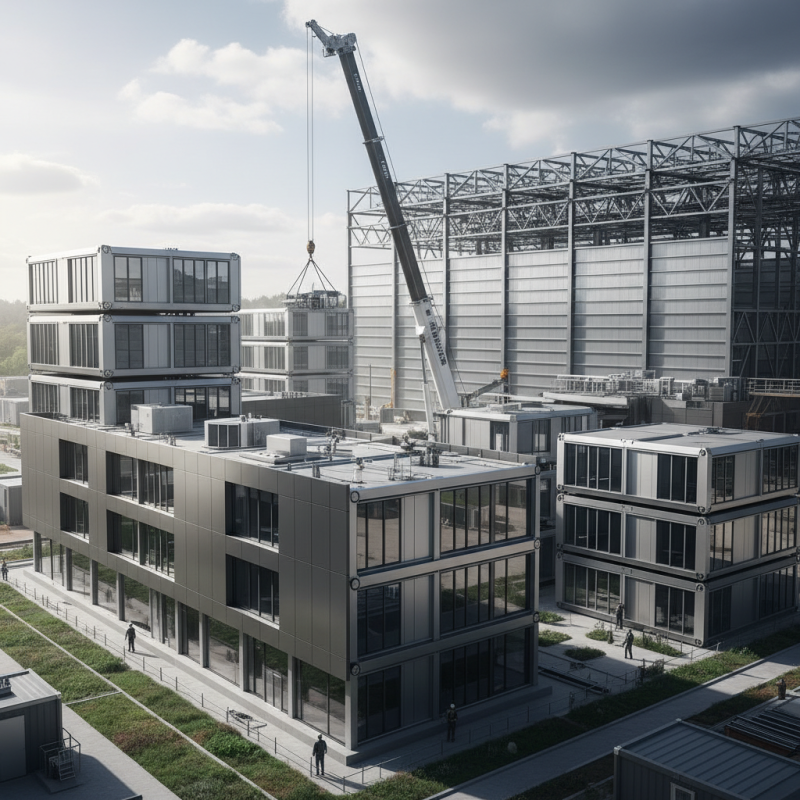
Prefabricated steel buildings are changing modern construction. They offer quick assembly and great durability. Builders appreciate their efficiency and versatility. These structures can serve various purposes, like warehouses or offices. Steel's strength allows for larger spans and open spaces. This design freedom attracts many projects.
However, challenges exist. Sourcing quality materials can sometimes lead to delays. Architects may struggle with unique designs due to standardization in prefabrication. These issues require careful planning and communication. Additionally, costs can fluctuate based on steel prices, impacting budgets. It's essential to weigh pros and cons before committing.
Integration of energy-efficient features is another consideration. Installing insulation and renewable energy systems can enhance sustainability. But, these additions may complicate the prefabrication process. Designers must balance aesthetics and functionality. In the quest for efficient construction, constant reflection is necessary. Each project can teach valuable lessons, shaping future decisions.
Key Benefits of Using Prefabricated Steel Structures
Prefabricated steel structures provide numerous advantages for various construction projects. They are known for their durability and strength. Steel buildings can withstand harsh weather conditions. This resilience makes them a preferred choice in many regions. Quick assembly is another major benefit. Prefabricated elements arrive on-site ready to be installed. This minimizes labor costs and project timelines.
Additionally, these structures offer design flexibility. Architects and builders can create innovative layouts and aesthetics. However, there can be challenges in meeting local building codes. Not all prefabricated designs suit every geographic area. It’s important to evaluate specific needs and compliance. Working closely with professionals can mitigate these issues. The efficiency of prefabricated steel can lead to savings, but attention to detail is crucial. Properly executed projects minimize the risk of costly errors.
Another key point is sustainability. Steel is recyclable, which lessens environmental impact. Prefabricated options often produce less waste during construction. This approach can also lead to energy savings in the long run. However, it is essential to balance cost and quality when selecting materials. Some projects may prioritize budget over long-term benefits, which can lead to regrets later. Understanding these dynamics is key to successful outcomes.
Top Features to Look for in 2026's Steel Building Designs
When selecting the best prefabricated steel buildings for your next project, focus on key features that enhance functionality and durability. One essential feature is insulation. Effective insulation materials help regulate temperatures. This ensures energy efficiency year-round.
Consider the versatility of design. Modern steel buildings offer customizable layouts. This flexibility accommodates various uses, from warehouses to offices. However, be cautious of over-customization. It can lead to increased costs and complicate future modifications.
Tips: Analyze the footprint of your project. Calculate the space needed for operations. Ensure you select a building that meets these dimensions without excess.
Another critical aspect is sustainability. Look for recycled materials and eco-friendly options. This promotes a smaller carbon footprint. Nevertheless, balancing environmental goals with budget constraints can be tricky. Conduct thorough research to find the right materials and practices that align with your project's financial plan. This requires time and careful planning, but is worth the effort.
2026 Best Prefabricated Steel Buildings Features
Comparative Analysis of Leading Prefabricated Steel Manufacturers
When considering prefabricated steel buildings, it's vital to analyze various manufacturers. The choice depends on quality, innovation, and customer service. Steel efficiency is significant. A well-built structure requires less maintenance and offers durability. Look for specific features. Many manufacturers provide custom designs. This option allows for personalization to meet project needs.
Another crucial aspect is pricing. Some manufacturers may appear cost-effective but evaluate long-term value. A lower price can equate to sacrificing quality. Checking reviews can help gauge customer satisfaction. However, reviews may be biased. It’s wise to speak to previous clients directly. Understanding their experiences offers clearer insights into the manufacturer’s reliability.
Not all manufacturers focus equally on sustainability. Environmental considerations are becoming essential. Some may use recycled materials, while others do not. An eco-friendly building approach can reduce the project's carbon footprint. Furthermore, warranty and support after installation are often overlooked. Ensuring ongoing support can influence your overall satisfaction with the building.
2026 Best Prefabricated Steel Buildings for Your Next Project
| Feature |
Manufacturer A |
Manufacturer B |
Manufacturer C |
| Building Type |
Industrial Warehouse |
Commercial Office |
Retail Store |
| Construction Time |
3 Months |
4 Months |
5 Months |
| Cost per Square Foot |
$75 |
$90 |
$85 |
| Energy Efficiency Rating |
A+ |
A |
B |
| Customization Options |
High |
Medium |
Low |
| Warranty Period |
20 Years |
15 Years |
10 Years |
Future Trends in Prefabricated Steel Building Technology
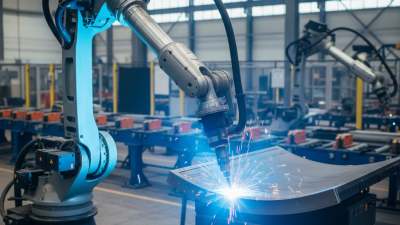
The future of prefabricated steel buildings is bright and evolving. Innovative technologies are shaping how these structures are designed and constructed. Modular construction techniques allow for quicker assembly and reduced waste. This shift impacts both efficiency and cost-effectiveness in projects. Additionally, advancements in design software enable architects to create more complex structures with ease.
Sustainability plays a critical role in the evolution of steel buildings. More builders are focusing on eco-friendly materials and energy-efficient systems. Integrating solar panels and green roofs are becoming common. These features not only enhance aesthetics but also reduce operational costs. However, challenges remain in adapting to these changes efficiently. Some find the learning curve steep, while others struggle with sourcing sustainable materials.
As technology progresses, the demand for smart buildings grows. Automated systems for climate control and security improve functionality. Yet, incorporating technology can add complexity. It requires ongoing maintenance and updates, which can be daunting for some companies. Reflecting on these trends highlights the need for continuous adaptation in this industry. The journey toward innovation is fraught with hurdles, yet it promises a more resilient future.