Why Choose Peb Steel Buildings for Your Next Project?
Peb Steel Buildings are redefining the construction landscape with their innovative designs and structural efficiency. According to a recent report by the Steel Construction Institute, pre-engineered buildings such as these can reduce construction time by up to 30%. Their ability to adapt to various industries, from retail to manufacturing, highlights their versatility.
Experts like Mike Reynolds, a leading voice in the PEB industry, state, "Choosing Peb Steel Buildings ensures a blend of durability and cost-effectiveness." His insights reflect a growing trend where companies prioritize functional aesthetics and sustainability. The benefits of using high-quality materials and advanced engineering methods are undeniable.
However, it is critical to weigh all options. Not every project may require a Peb Steel Building. Factors like site conditions, design requirements, and budget constraints must be thoughtfully considered. Engaging with professionals can help determine the best fit for specific needs. Overall, Peb Steel Buildings represent a stable foundation for a multitude of projects, but careful evaluation is essential to harness their full potential.
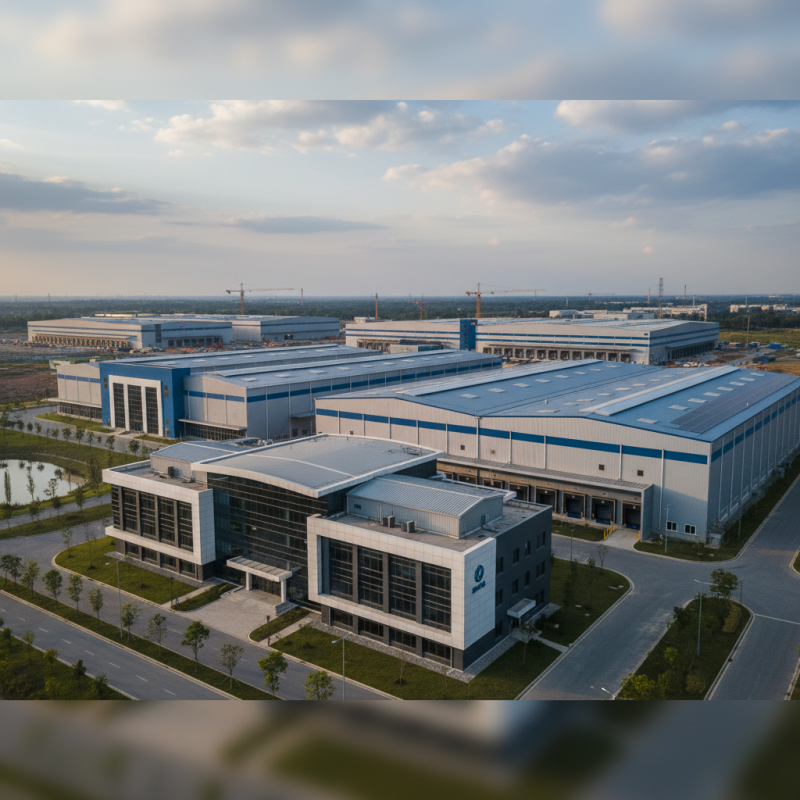
Advantages of Peb Steel Buildings in Modern Construction
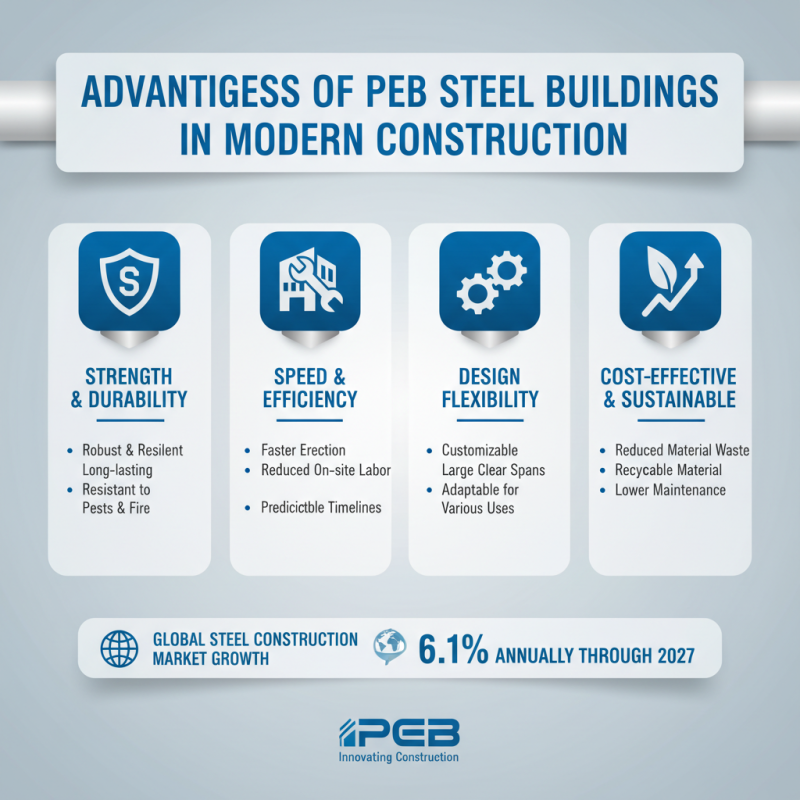
PEB steel buildings are increasingly popular in modern construction due to their numerous advantages. According to recent statistics, the global steel construction market is expected to grow by 6.1% annually through 2027. This highlights a growing trend toward using steel in building projects. PEB structures stand out for their strength, durability, and design flexibility. They are lightweight yet robust, making them ideal for diverse applications, from warehouses to retail spaces.
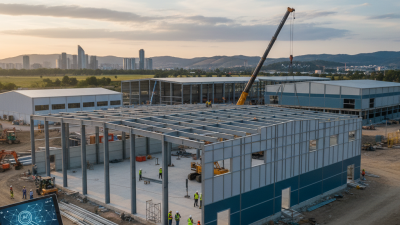
One key advantage is the reduced construction time. PEB buildings can be pre-engineered, reducing assembly time on-site by up to 50%. This time efficiency translates to cost savings, allowing projects to stay on budget. Additionally, steel’s recyclability contributes to sustainability. Reports suggest that steel is the most recycled material globally, making PEB a responsible choice in eco-friendly construction.
Tip: Consider your building's end use. Some PEB designs are more suitable for specific industries. Evaluating your needs can optimize resource use.
Moreover, maintenance of PEB buildings is generally low. They resist corrosion and can last for decades with minimal upkeep. This reliability is crucial in an era where long-term investments are highly valued. However, it’s essential to think about potential initial costs. While PEB buildings can be cheaper long-term, upfront costs may be higher than traditional materials. Refining cost estimates is important for realistic budgeting.
Tip: Engage with professionals who specialize in PEB. Their expertise can guide you through design options and material choices, ensuring the best outcome for your project.
Durability and Longevity: Why Steel Buildings Stand the Test of Time
When considering the durability and longevity of a building, steel structures often come to mind. Steel is a material renowned for its strength, resilience, and ability to withstand harsh conditions. Unlike traditional wood, steel does not warp, crack, or rot over time. This makes it a solid choice for projects requiring a long-lasting solution.
In regions prone to extreme weather, steel buildings excel. They resist high winds, heavy snow loads, and even earthquakes better than many other materials. However, not all steel buildings are equal. It’s vital to understand construction techniques and design principles to ensure maximum durability. Thick steel gauge, proper insulation, and quality finishing play significant roles. Moreover, investing in regular maintenance, even with durable materials, remains essential.
While steel buildings offer remarkable advantages, there can be drawbacks. Initial costs might be higher compared to other options. However, the long-term savings on repairs and maintenance can offset this investment. A clear understanding of both strengths and weaknesses is vital before finalizing decisions. Quality construction, thoughtful design, and a willingness to adapt will lead to a successful, enduring project.
Why Choose Peb Steel Buildings for Your Next Project? - Durability and Longevity: Why Steel Buildings Stand the Test of Time
| Feature |
Benefit |
Longevity Factors |
| Corrosion Resistance |
Minimizes maintenance costs |
Utilizes galvanized steel |
| Structural Strength |
Ability to withstand extreme weather |
Designed for heavy loads |
| Fire Resistance |
Increases building safety |
Non-combustible materials |
| Energy Efficiency |
Improves utility savings |
Insulation options available |
| Design Flexibility |
Customization for any project |
Adaptable to various applications |
| Quick Installation |
Reduces construction time |
Pre-fabricated components |
Cost-Effectiveness: How Peb Steel Buildings Save You Money
When it comes to cost-effectiveness in construction, Peb Steel Buildings offer undeniable advantages. According to recent industry reports, steel buildings can reduce construction costs by up to 30% compared to traditional materials. This savings primarily comes from faster assembly times and lower maintenance needs. A durable structure reduces the total cost of ownership over its lifespan. Many businesses find that the initial investment is quickly recouped through long-term savings.
Tips: Always consider long-term costs. While initial pricing is essential, evaluate the overall durability and maintenance of your building. A well-built steel structure can last decades with minimal upkeep.
Moreover, steel's strength allows for design flexibility, maximizing usable space without sacrificing quality. This versatility in layout contributes to efficient space management, which directly translates to financial savings. Additionally, steel buildings are energy-efficient. According to the U.S. Department of Energy, energy-efficient designs can cut operational costs significantly, often by 20% or more.
Tips: Research energy-efficient designs. Look for features that enhance insulation and reduce energy expenses. This choice adds value beyond just the initial build.
Cost-Effectiveness of Peb Steel Buildings
This bar chart illustrates the annual cost savings associated with using Peb Steel Buildings across various categories, including material, labor, maintenance, energy efficiency, and insurance costs. Such savings make Peb Steel Buildings a cost-effective choice for construction projects.
Versatility in Design: Customization Options for Every Project
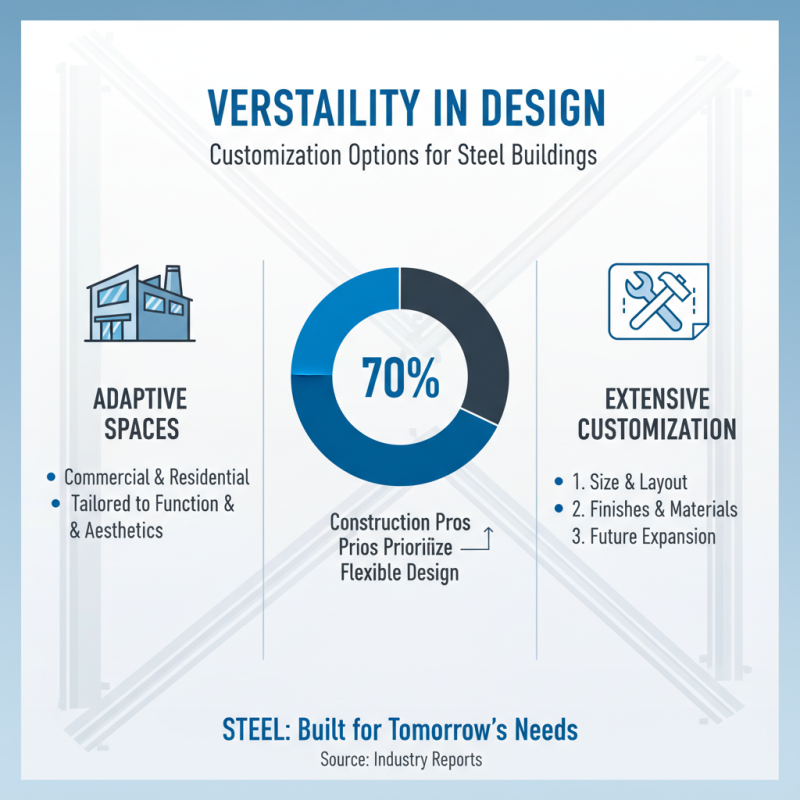
When considering a new project, the versatility of design in steel buildings stands out. Modern steel structures offer extensive customization options that meet various aesthetic and functional demands. According to recent industry reports, over 70% of construction professionals prioritize flexible design features when selecting building materials. This reflects the growing need for adaptive spaces in both commercial and residential construction.
Customization can range from structural elements to exterior finishes. Architectural modifications allow for different colors, shapes, and layouts. Steel buildings can incorporate features like large clear spans, enabling more open space inside. This flexibility appeals to a broad audience, from retailers to industrial manufacturers. Furthermore, an estimated 60% of clients opt for unique architectural designs. They favor personalization to align their buildings with brand identity and site requirements.
Despite the numerous advantages, challenges persist. Many designers struggle with balancing functionality and creative innovation. The integration of sustainable materials can complicate the customization process. Additionally, some clients may overlook the importance of long-term performance amid their focus on aesthetics. A well-rounded approach considers both immediate visual impact and future usability. It’s crucial to reflect on these aspects to ensure a successful outcome for any steel building project.
Sustainability Benefits: Eco-Friendly Aspects of Steel Construction
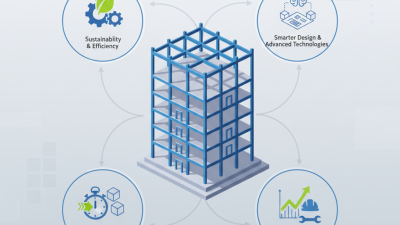
Steel construction stands out for its eco-friendly aspects. The production of steel today involves substantial recycling, with around 75% of global steel being recycled. This process significantly reduces the need for new raw materials, conserving resources. Steel can be recycled multiple times without losing its quality, making it a sustainable choice for modern construction projects.
The energy efficiency of steel buildings is another critical factor. Research shows that steel structures can result in energy savings of up to 20% over their lifecycle. Proper insulation and advanced design techniques can further enhance these benefits. Additionally, buildings made from steel often have a longer lifespan than those built with traditional methods, which may require more frequent repairs or replacements.
However, it's worth noting that the production of steel still generates carbon emissions. Acknowledging this can lead to further innovations in sustainable practices within the industry. Efforts to incorporate renewable energy sources in steel production are growing. Overall, the eco-friendly aspects of steel construction are compelling, but there is always room for improvement.