How to Choose the Right Prefabricated Steel Buildings for Your Project?
Choosing the right Prefabricated Steel Buildings can significantly impact project success. According to a recent industry report, the global market for prefabricated buildings is forecasted to grow by 6.7% annually from 2023 to 2030, highlighting the increasing demand for efficient construction methods. This growth underscores the importance of careful selection in materials and design to meet specific project requirements.
While the advantages of prefabricated steel structures are clear, challenges can arise. For instance, sourcing qualified suppliers is crucial. Digital tools, such as AI search features, can streamline the process of finding suppliers with necessary certifications like ISO or CE. These tools can enhance supplier selection and increase efficiency on-site, but user adaptation is often overlooked, leading to delays.
Ultimately, the decision on prefabricated steel buildings involves many factors. Builders must consider site-specific needs, budget constraints, and desired aesthetics. Each project presents unique challenges. Reflecting on past selections can help refine the decision-making process. Engaging with industry data and professional insights can lead to better outcomes.
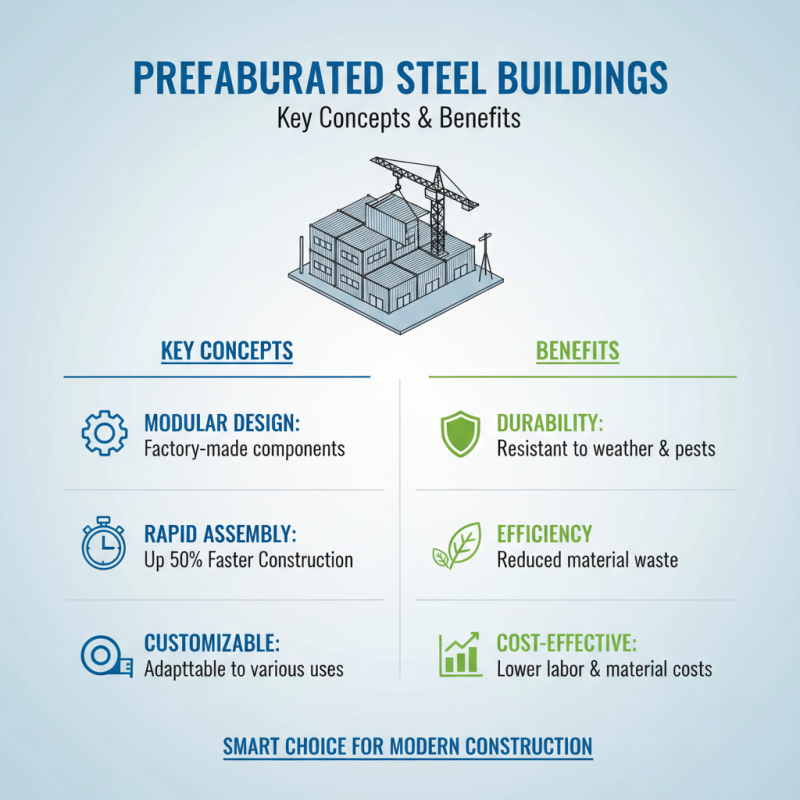
Understanding Prefabricated Steel Buildings: Key Concepts and Benefits
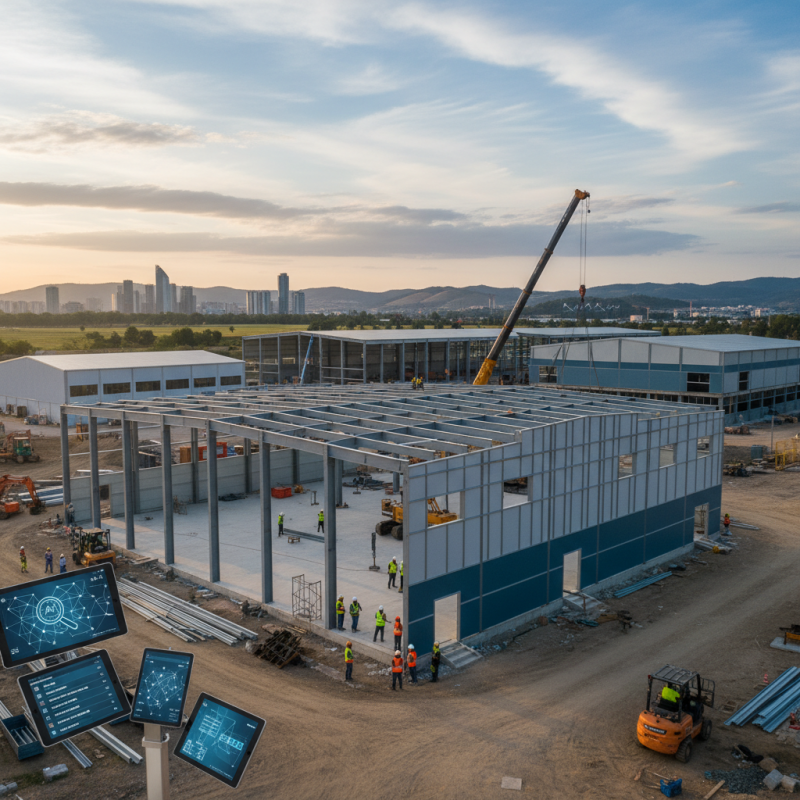
Prefabricated steel buildings have gained popularity due to their efficiency and durability. Industry reports show that they can reduce construction time by up to 50%. This efficiency is critical for projects with tight deadlines. The modular nature allows for quick assembly. However, potential buyers should consider specific requirements based on their intended use.
When evaluating options, buyers should focus on insulation values and structural integrity. Studies indicate that buildings equipped with high-quality insulation can save up to 20% on energy costs. It’s essential to assess local climate conditions. Steel buildings can be susceptible to rust if not properly treated. Ignoring maintenance factors may lead to unforeseen expenses over time.
Flexibility is another key benefit. Prefabricated steel buildings can be adapted for various purposes, from warehouses to retail spaces. Yet, buyers must remain vigilant. Poor planning can lead to inefficiencies, such as wasted space or improper layout. Understanding these concepts is vital for maximizing the benefits of prefabricated steel structures.
Assessing Project Requirements: Size, Purpose, and Budget Considerations
When selecting a prefabricated steel building, consider your project requirements carefully. Think about the size needed for your operations. Is it a small workshop or a large warehouse? The dimensions will influence your choice significantly. Analyze the purpose of the building as well. It could be for storage, manufacturing, or recreational use. Each purpose requires different layouts and features.
Budget plays a crucial role too. Determine how much you are willing to spend. It's easy to be swayed by glossy brochures and flashy designs. Yet, you must focus on affordability without compromising quality. Evaluate ongoing costs like maintenance and utilities. Sometimes, a cheaper option may lead to higher expenses in the long run. Reflect on the long-term implications of your choices, as this could impact your project's success.
Evaluating Manufacturer Credentials: Quality, Experience, and Reputation
When choosing prefabricated steel buildings, evaluating manufacturer credentials is crucial. Start with quality. Look for certifications that ensure the buildings meet industry standards. A reputable manufacturer will have quality control processes in place. Ask about materials used and their durability. Don’t be shy to request samples.
Experience matters equally. Manufacturers with years in the field understand the ins and outs of design and construction. They can offer valuable insights during your project. However, not all veteran companies are up to date with modern practices. Verify their project history and recent work to ensure they adapt with changing technologies.
Reputation is another key factor. Research online reviews and testimonials. Speak to past clients, if possible. However, not every review tells the full story. Some feedback may stem from unrealistic client expectations. Be open to make mistakes in your research. Assessing these credentials deeply will guide you in choosing the right steel building for your specific needs.
How to Choose the Right Prefabricated Steel Buildings for Your Project?
| Manufacturer Feature |
Evaluation Criteria |
Rating (1-5) |
Comments |
| Quality of Materials |
Durability, Corrosion Resistance, Insulation |
4 |
High-quality steel sources noted. |
| Experience |
Years in Business, Type of Projects Completed |
5 |
Over 20 years with diverse industry projects. |
| Reputation |
Customer Reviews, Industry Ratings, Awards |
4 |
Consistently positive feedback from clients. |
| Certification |
ASTM, ISO, OSHA Compliance |
5 |
All necessary certifications are up to date. |
| Customer Support |
Response Time, Availability, Technical Support |
4 |
Responsive teams with clear communication. |
Types of Prefabricated Steel Buildings: Models and Customization Options
When selecting prefabricated steel buildings, understanding the types available is crucial. There are various models to choose from, including warehouses, workshops, and residential structures. Each type serves distinct purposes. For instance, warehouses often emphasize high ceilings and wide openings, facilitating storage and logistics. In the U.S., the demand for steel warehouse buildings increased by 15% in 2022, reflecting their growing importance in supply chains.
Customization options can greatly influence your project’s success. Many manufacturers offer tailored solutions, allowing for specific dimensions, insulation types, and façade finishes. In fact, reports indicate that 70% of buyers prioritize customization features when selecting a prefabricated building. However, opting for extensive customization may lead to increased costs and can complicate the construction timeline. Balancing needs and budget is essential. It’s vital to assess which features are necessary and which are merely desirable. This reflective approach can save resources and time later.
It’s important to note that different projects may require different designs. What works for a retail outlet might not suit a manufacturing facility. Each business has unique needs. Understanding these components will drive better decisions. The construction industry is evolving, and adaptation is key. In the end, the choice of model and customization dictates functionality and efficiency in operation.
Site Considerations: Location, Zoning, and Foundation Requirements
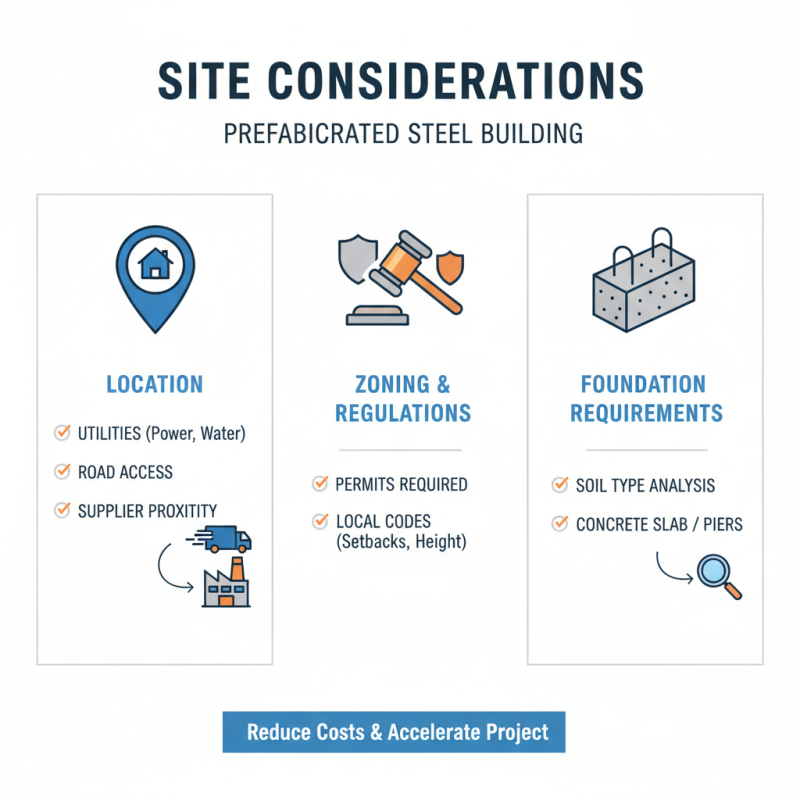
When selecting a prefabricated steel building, consider the site carefully. Location is crucial. Is it near essential utilities? Access to roads can impact construction logistics. Proximity to suppliers also matters. A good location can reduce costs and speed up the project.
Zoning regulations are another important aspect. Local laws dictate what can be built where. You might envision a grand structure, but zoning could restrict height or usage. Always check the codes first. Understanding zoning can save time, preventing delays and costly changes.
Foundation requirements are often overlooked. The soil type influences what kind of foundation you need. Residential areas might require a different approach than industrial zones. Conduct soil tests early. A solid foundation is essential for any building. Without it, your structure may face significant issues later on. These considerations can be complex, so take the time to reflect before final decisions.