How to Build Steel Structure Buildings Effectively?
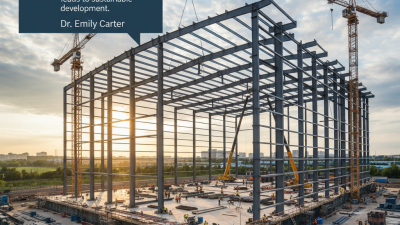
Building effective Steel Structure Buildings requires a deep understanding of materials and design. Renowned expert Dr. Emily Carter, a structural engineer with over 20 years of experience, states, “The key to successful steel structures lies in meticulous planning and innovative designs.” Her insights are crucial in navigating the complexities of this industry.
Steel Structure Buildings present unique opportunities and challenges. The choice of steel as a primary material offers strength and flexibility. However, one must consider factors such as environmental impact and sustainability. Many projects falter due to insufficient attention to these aspects. Construction teams should reflect on their practices and strive for improvement.
Effective communication among team members is vital. Misunderstandings can lead to costly mistakes. Each phase of the building process must be carefully planned and executed. Continuous learning and adaptation are essential in this ever-evolving field. When effectively approached, Steel Structure Buildings can revolutionize modern architecture and construction.
Understanding Steel Structure Building Basics
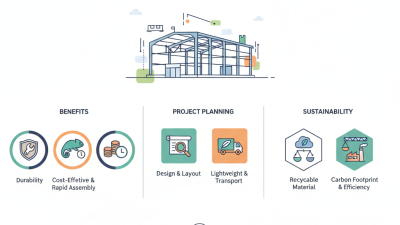
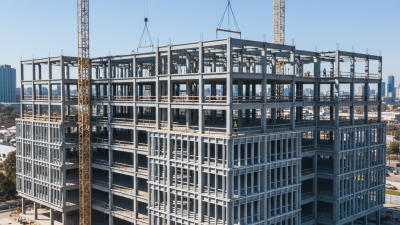
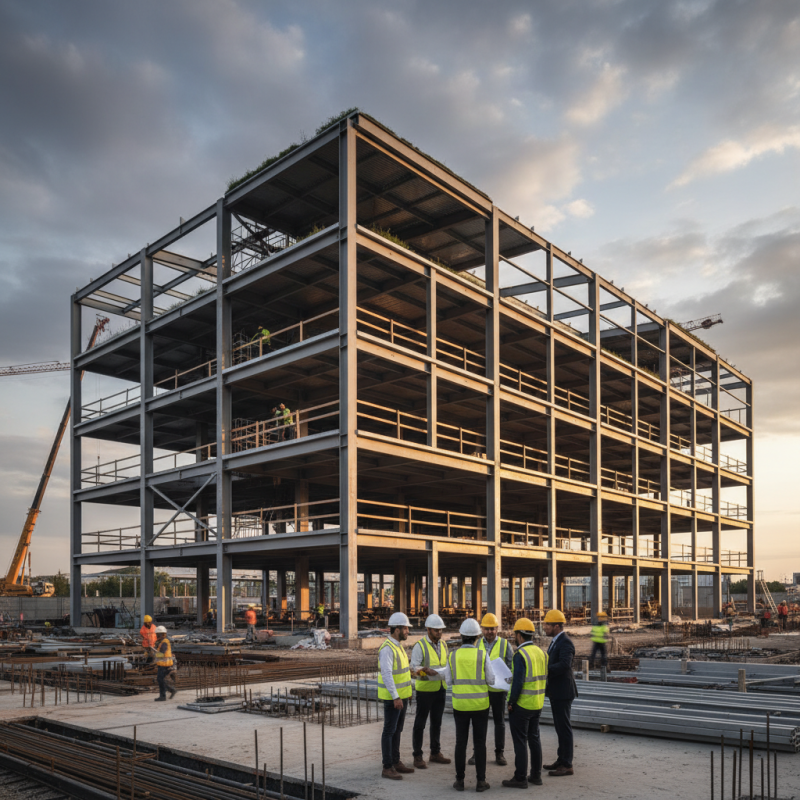
Understanding Steel Structure Building Basics is essential for effective construction. Steel structures are favored for their strength and durability. They use steel frames, beams, and columns to provide support. This design allows for larger spans and open spaces, which is ideal for modern buildings.
Tips: Choose the right grade of steel. It affects durability and strength. Consult with a structural engineer for specifications. Make sure to follow local building codes. They ensure safety and compliance.
During the design phase, ensure adequate connections between elements. Poorly designed joints can compromise the entire structure. It's crucial to consider load requirements for roofs and floors. This prevents potential failures. Regular inspections can identify issues early, allowing for timely repairs. Timely interventions save costs and enhance safety.
Key Materials and Tools for Steel Construction
When embarking on steel structure buildings, choosing the right materials and tools is essential. High-quality steel is fundamental. Opt for structural steel, known for its strength and durability. This type withstands various environmental conditions, ensuring the building remains sturdy over time. Galvanized steel, which resists rust and corrosion, is another excellent choice for outdoor structures.
Tools are equally vital for effective construction. A reliable welding machine is essential for joining steel pieces securely. Additionally, power tools like drills and grinders expedite the process. Leveling equipment ensures precision in all phases, preventing structural issues.
**Tips**: Always check the specifications of your steel. Ensure you select the correct thickness and grade for your project's needs. Regular maintenance of your tools can enhance their performance. Poorly maintained tools may lead to inefficiencies and costly mistakes.
Unexpected challenges often arise during construction. Be prepared for delays. Weather and supply chain issues can fluctuate your timeline. Adaptability is key. Engage with skilled labor to navigate these concerns efficiently. Developing a solid understanding of the materials and tools involved builds a strong foundation for success.
Step-by-Step Guide to Designing Steel Structures
Designing steel structures can seem daunting, but a systematic approach simplifies the process. Start by gathering necessary information. Understand the project requirements, site conditions, and local codes. This foundational knowledge ensures compliance and functionality.
After gathering information, proceed with preliminary sketches. These visual aids clarify your vision. They should reflect structural loads, dimensions, and material specifications. Feedback from peers at this stage is crucial. It can highlight flaws in your design. Don't hesitate to revise your sketches based on their insights.
Next, create detailed plans and calculations. These documents outline the specifics of your structure. Include load analysis, material choices, and detail drawings. Utilize software tools for precision. However, remember that software does not replace the need for human intuition. Regularly check your calculations. Mistakes at this stage can lead to costly revisions later on. Embrace the iterative nature of design. Each iteration brings you closer to an effective steel structure.
Steel Structure Buildings: Cost Comparison by Material
This bar chart illustrates the average cost per square foot for different building materials commonly used in constructing steel structure buildings. Steel presents a competitive cost compared to other materials like concrete, wood, and brick.
Key Techniques for Effective Steel Assembly
Building steel structure buildings requires careful consideration of assembly techniques. Effective steel assembly ensures strength and durability. Proper planning is essential before assembly begins. Each piece must be accurately measured and inspected. This reduces errors during the installation phase.
Using advanced tools can enhance precision. For example, laser alignment devices help ensure beams are accurately positioned. Skilled workers play a crucial role too. Their experience allows for quick problem-solving on-site. However, insufficient training can lead to mistakes that compromise safety.
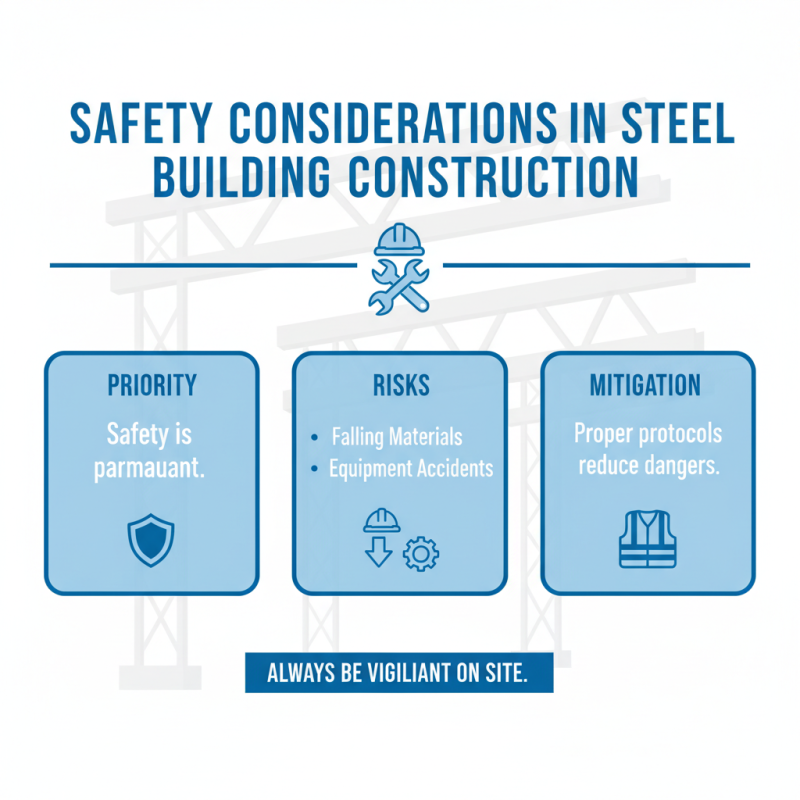
Focusing on communication among team members is vital. Clear instructions help avoid misunderstandings. Regular safety meetings can improve awareness of risks. Despite careful planning, unexpected challenges may arise. Addressing these issues promptly is crucial for maintaining project timelines. Emphasizing a collaborative approach can lead to better outcomes. Overall, mastering assembly techniques and fostering teamwork enhances the success of steel structure buildings.
How to Build Steel Structure Buildings Effectively? - Key Techniques for Effective Steel Assembly
| Technique |
Description |
Benefits |
| Pre-assembly |
Assembling components in a factory before transporting them to the site. |
Reduced on-site assembly time, improved quality control. |
| Modular Construction |
Using standardized modules that can be quickly assembled. |
Increased efficiency and flexibility, reduced waste. |
| Advanced Welding Techniques |
Employing robotic welding or pre-welded connections. |
Higher precision, stronger joints, improved safety. |
| Quality Control Inspections |
Regular inspections throughout the assembly process. |
Ensures compliance with standards, reduces rework. |
| Use of BIM Technology |
Building Information Modeling for planning and visualization. |
Enhanced collaboration, better resource management. |