inquiry
Leave Your Message

10 Essential Tips for Choosing Peb Steel Buildings in 2026?

In 2026, as the construction industry evolves, choosing the right Peb Steel Buildings is critical. Experts emphasize quality, cost, and efficiency. John Smith, a renowned expert in the industry, states, "Selecting the right materials is vital for both longevity and performance." His insight reinforces the need for careful consideration in this field.

When navigating through options, consider the latest trends and innovations in materials. The 139th Canton Fair in 2026 is a significant platform for showcasing cutting-edge construction solutions. With AI advancements, buyers can efficiently find suppliers meeting standards like ISO and CE certifications. This tech integration improves the procurement process immensely.

However, as buyers engage with suppliers, it's essential to balance price with quality. Not all affordable options ensure long-term durability. Therefore, conducting thorough research and seeking expert advice is crucial. Failing to do so may lead to regrettable choices down the line. Choosing Peb Steel Buildings requires both vigilance and foresight to ensure a sound investment.
10 Essential Tips for Choosing Peb Steel Buildings in 2026?

Understanding PEB Steel Buildings: Key Features and Benefits

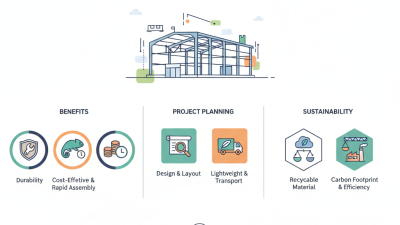
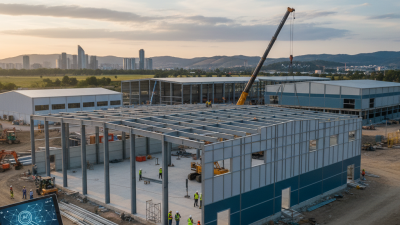
PEB (Pre-Engineered Build) steel buildings are gaining popularity for various projects in 2026. They are designed with efficiency in mind. One key feature is their flexibility in design. You can customize the layout based on specific needs. This adaptability can save time and costs during the construction phase. Not to mention, PEB structures can be assembled quickly, shortening the time to completion.

Another significant advantage is durability. PEB steel buildings are resistant to harsh weather conditions. This resistance ensures longevity, making them a solid investment. However, quality materials are essential for this durability. Sometimes, cheaper options compromise strength. It's crucial to weigh the costs against the potential drawbacks. While these buildings offer many benefits, careful selection is necessary to avoid future issues. A thorough understanding of your project requirements can help navigate potential challenges. By assessing the unique features, you can make an informed decision and maximize the value of your investment.
Comparison of Key Features of PEB Steel Buildings in 2026

This chart illustrates the importance ratings of various key features of PEB Steel Buildings in 2026. The ratings are based on factors that influence decision-making when selecting PEB Steel for construction projects.

Assessing Your Structural Needs for PEB Steel Buildings

When assessing your structural needs for PEB steel buildings, it’s crucial to start with a clear vision of your project. What will you be using the space for? Manufacturing? Warehousing? Each function requires different designs and specifications. For example, a manufacturing facility may need more overhead space for machinery than a simple storage unit. Recognizing these diverse needs helps shape your building's design effectively.

Another aspect to consider is the local climate and environmental conditions. Your building should withstand weather extremes like heavy snowfall or strong winds. It’s important to work with professionals who understand these factors to avoid potential issues later. Engaging with engineers early in the process can clarify what designs are not just viable, but optimal. Review any past projects or designs that have struggled under specific conditions. Learning from those challenges can guide you towards better decisions.

Finally, reflect on your budget. The cost of materials, labor, and permits can add up quickly. Overestimating your needs can strain your finances. Be realistic about your expectations and remember that sometimes less is more. A simpler design may be more efficient in terms of costs and functionality, and can still achieve your goals without unnecessary complications. Identifying your essential needs can lead to wiser, more mindful investments in your PEB steel building.

10 Essential Tips for Choosing PEB Steel Buildings in 2026

Tip Description Considerations
1. Assess Structural Needs Analyze requirements based on intended use, load factors, and environmental conditions. Determine specific operational needs and site conditions.
2. Select Quality Materials Choose high-grade steel for durability and corrosion resistance. Consider long-term maintenance and lifecycle costs.
3. Evaluate Design Flexibility Ensure the building design can accommodate changes and expansions. Plan for future growth and modifications.
4. Consider Energy Efficiency Incorporate insulation and energy-saving features. Calculate potential savings on energy costs.
5. Review Local Codes and Regulations Ensure compliance with zoning and building codes. Consult local authorities for up-to-date regulations.
6. Analyze Cost Factors Examine the full budget, including materials and labor. Consider hidden costs like permits and inspections.
7. Inspect Manufacturer Reputation Research the track record of steel building providers. Look for customer reviews and previous project examples.
8. Assess Warranty Options Check the warranty terms for materials and workmanship. Longer warranties can indicate better quality control.
9. Consider Construction Timeline Estimate timeframes for design and construction phases. Align with project milestones and occupancy dates.
10. Plan for Sustainability Incorporate sustainable practices and materials. Evaluate long-term environmental impacts and benefits.

Evaluating Cost-Effectiveness of PEB Steel vs. Traditional Buildings

10 Essential Tips for Choosing Peb Steel Buildings in 2026?

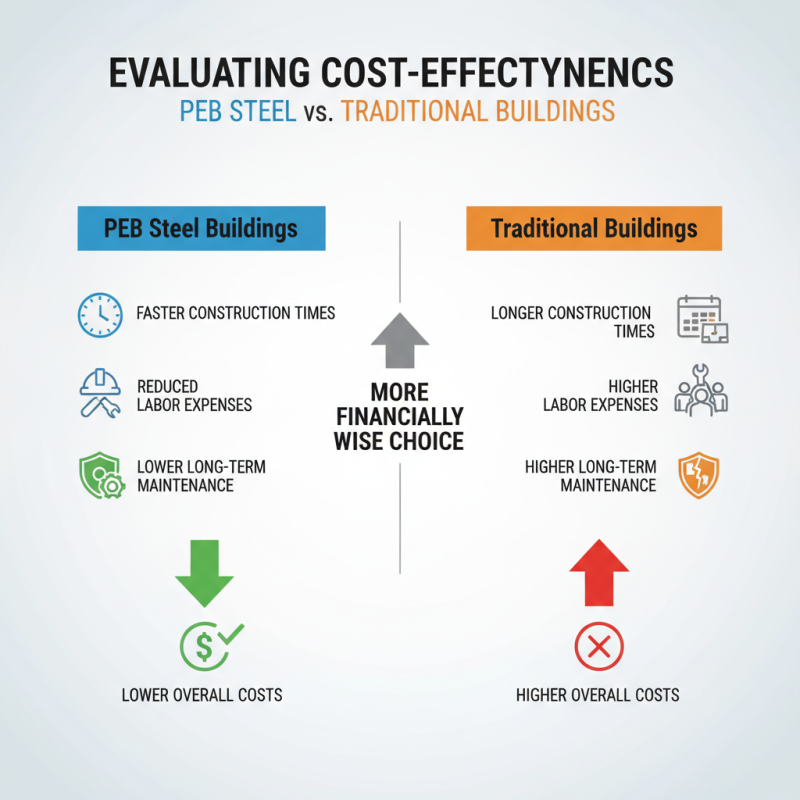
When evaluating the cost-effectiveness of PEB steel buildings versus traditional structures, several factors must be considered. PEB steel buildings often result in lower overall costs due to their faster construction times and reduced labor expenses. Additionally, their durability can decrease long-term maintenance costs, making them a financially wise choice.

Here are tips to aid in your decision-making. Assess the initial investment required for both types of buildings. This helps in understanding the upfront costs. Compare the construction timelines; faster projects often translate to lower interest costs on loans. Evaluate energy efficiency, as PEB steel buildings can provide better insulation, leading to lower energy bills.

Furthermore, consider the return on investment. PEB structures may have a higher resale value compared to traditional buildings. Flexibility in design is another benefit. Modular components can adapt easily, saving costs during renovations. Reflect on your specific needs and future growth potential. Ensure the building can evolve with your business.

Choosing the Right Manufacturer: Tips for Reliability and Quality

10 Essential Tips for Choosing Peb Steel Buildings in 2026?

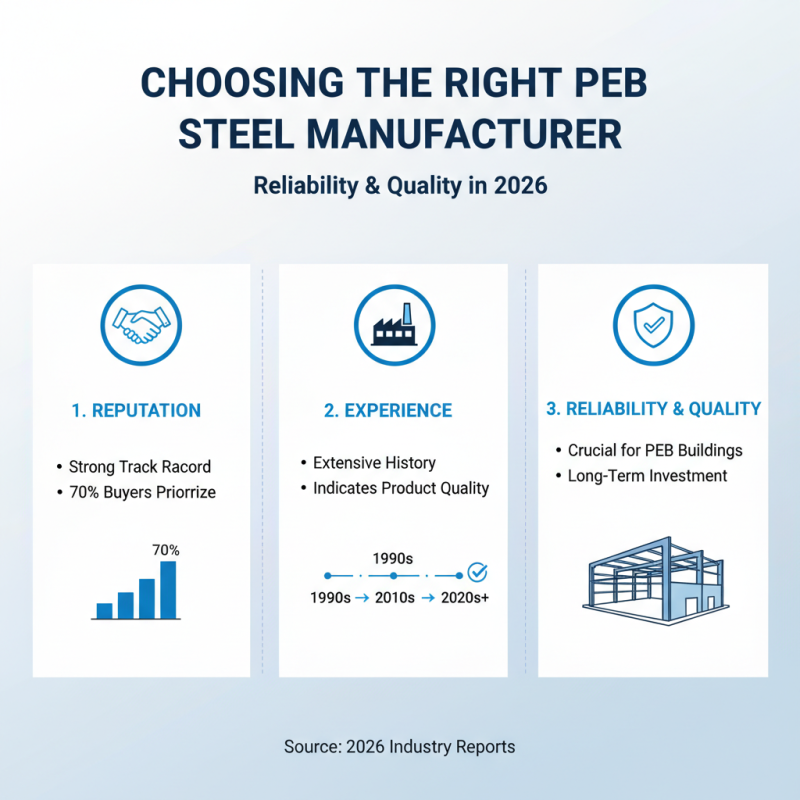
Choosing the right manufacturer for PEB steel buildings is crucial. In 2026, consider the manufacturer's reputation. A strong track record often reflects reliability. According to industry reports, 70% of buyers prioritize supplier reputation when making decisions. Look for manufacturers with extensive experience. Their history can indicate the quality of their products.

Evaluate the quality of materials used by the manufacturer. Some companies use substandard steel to cut costs. This can lead to long-term issues, affecting structural integrity. A report from the Steel Construction Institute highlights that quality steel reduces maintenance costs by up to 30%. It's essential to verify the certifications the manufacturer holds. These can be indicators of adherence to industry standards.

Finally, seek customer feedback. Online reviews can provide insights into customer satisfaction. However, not all reviews are genuine. It's wise to cross-reference reviews on multiple platforms. Some companies may have inflated ratings. Transparency is key to finding a reputable manufacturer. Trust your instincts and ask for references before making a decision.

Projecting Future Needs: Scalability and Flexibility in PEB Designs

When it comes to Pre-Engineered Buildings (PEB), scalability and flexibility are key aspects to consider. The construction market is witnessing a significant shift towards custom solutions that can adapt to future requirements. According to a recent industry report, 70% of construction firms prioritize flexible designs. This statistic highlights the growing need for structures that can evolve over time.

Investing in PEB systems that allow for expansion can save costs in the long run. For example, a building designed today might require additional space in five years. If the structure accommodates future needs, the client can avoid extensive renovations later. However, many designs still overlook this essential aspect. Only 42% of projects today include scalability as a primary feature. This gap presents an opportunity for improvement in the industry.

Innovative approaches, such as modular designs, should be explored more. Prefabricated sections can be easily added or replaced based on changing demands. Yet, some builders resist these methods, citing higher initial costs. Overcoming this mindset is crucial for long-term sustainability. By focusing on flexible PEB solutions, the industry can better meet the evolving needs of businesses in 2026 and beyond.