10 Essential Tips for Working with Aluminum Wire to Boost Your Projects
Aluminum wire is becoming increasingly popular in various projects due to its lightweight and cost-effective nature. According to a recent market analysis, the global aluminum wire market is projected to reach over $15 billion by 2025. This trend highlights its growing relevance in industries from construction to electronics.
Using aluminum wire effectively requires understanding its properties. While it is resilient, it is also susceptible to corrosion and fatigue. Projects demanding durability necessitate careful handling. A 2022 report by the Advanced Materials Association points out that improper techniques can lead to significant project failures.
The right approach to aluminum wire can maximize performance. For instance, using correct connectors is crucial to avoid issues like voltage drop and overheating. Professionals need to stay informed about the latest best practices to mitigate risks in their projects effectively. Therefore, being aware of these essential tips can help enhance project outcomes while ensuring reliability in applications involving aluminum wire.
Understanding Aluminum Wire: Properties and Benefits
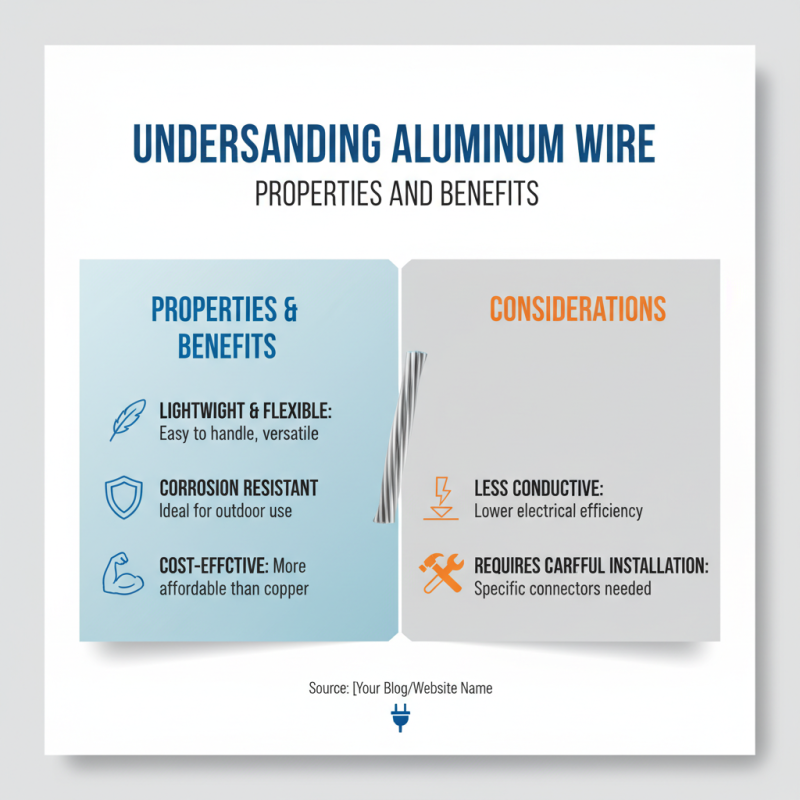
Aluminum wire is increasingly popular in various projects due to its unique properties. Lightweight and flexible, aluminum offers both ease of handling and versatility. This material is also resistant to corrosion, which makes it ideal for outdoor applications. However, it does have its downsides. For instance, aluminum can be less conductive than copper. This could impact projects requiring high efficiency.
When working with aluminum wire, understanding its properties is essential. It is softer than copper, which means it can easily be damaged. Care must be taken when twisting or bending the wire. If not handled properly, it may break or weaken. Some users may find themselves frustrated when their projects do not go as planned. It’s crucial to test the wire before starting a major project.
Regular maintenance is also a factor. If exposed to moisture, aluminum can oxidize. This can reduce conductivity over time. Consider using protective coatings if you are in humid environments. Learning from these potential pitfalls can lead to better project outcomes. Always seek to refine your techniques as you gain experience with aluminum wire.
Preparing Your Workspace for Aluminum Wire Projects
Preparing your workspace for aluminum wire projects is crucial for success. Start by ensuring your area is clean and organized. A clutter-free space can enhance focus and efficiency. Gather all necessary tools, such as wire cutters, pliers, and a soldering iron. Having everything on hand reduces frustration during your project.
Next, think about safety. Aluminum wire can be sharp, so wear protective gloves. A well-lit area is essential to see any fine details. Set up a sturdy workbench or table, where you can comfortably manipulate the wire. Consider a mat to catch falling pieces. This simple addition can save time on cleanup later.
Finally, test different types of connections. Some methods might work better than others. Reflect on what works and what doesn’t. Documentation can help track progress and improvement. Keep a notebook or digital log of your experiments. This practice will guide you in future projects, making each effort more refined and successful.
Aluminum Wire Project Preparation: Tips and Best Practices
Essential Tools and Equipment for Working with Aluminum Wire
When working with aluminum wire, having the right tools is crucial for success. An essential tool is the wire cutter. It must be sharp to provide clean cuts. Dull cutters can lead to frayed ends and unnecessary delays. Another important item is the pair of pliers. There are several types, each serving a different purpose. Needle-nose pliers are great for bending and shaping, while cutting pliers can trim excess wire efficiently.
Safety gear should not be overlooked. Protective eyewear is essential when cutting or bending aluminum. Small pieces can fly off unexpectedly. Gloves are equally important. They provide grip and protect your hands from sharp edges. Each tool has its role, but it’s important to remember that learning to handle these tools takes practice. Mistakes can happen, like a cut wire or a poorly shaped piece. Reflecting on these moments can improve your skills over time. Remember, proficiency develops through experience and patience.
10 Essential Tips for Working with Aluminum Wire to Boost Your Projects
| Tip Number |
Tip Description |
Essential Tools |
Safety Equipment |
| 1 |
Choose the right gauge for your project needs. |
Wire gauge tool |
Safety goggles |
| 2 |
Use proper connectors for aluminum wire. |
Crimping tool |
Gloves |
| 3 |
Avoid over-tightening connections. |
Torque wrench |
Face mask |
| 4 |
Strip wire ends properly to avoid damage. |
Wire stripper |
Ear protection |
| 5 |
Keep wires clean to prevent oxidation. |
Cleaning cloth |
None |
| 6 |
Be mindful of thermal expansion during installation. |
Thermal expansion gauge |
Insulated gloves |
| 7 |
Use appropriate solder for aluminum. |
Soldering iron |
Respirator |
| 8 |
Test connections regularly for integrity. |
Multimeter |
None |
| 9 |
Store aluminum wire in a dry place. |
Storage bin |
None |
| 10 |
Consult professionals for complex projects. |
Consultation resources |
None |
Techniques for Cutting, Stripping, and Connecting Aluminum Wire
When working with aluminum wire, proper techniques for cutting, stripping, and connecting are crucial. Cutting aluminum wire requires the right tools, like wire cutters specifically designed for softer metals. Regular cutters may not perform well. A clean cut helps prevent fraying, which can complicate connections later.
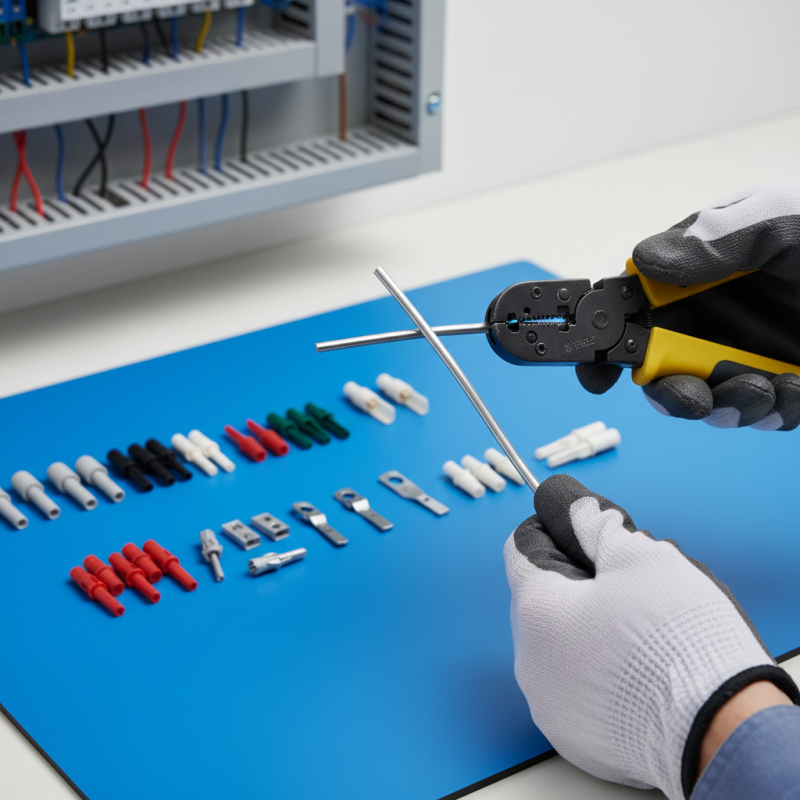
Stripping the insulation is another important step. Use a wire stripper that matches the gauge of the wire. Aluminum is delicate; using the wrong tool can damage the wire. Stripping a bit too much can leave exposed areas, which are prone to corrosion. It's helpful to practice on scrap pieces first, which can ease the learning curve.
Connecting aluminum wire demands careful attention. Use connectors designed for the softness of aluminum. Tight connections can prevent overheating, but overtightening can damage the wire. Consider using anti-oxidant compounds on connections to help minimize corrosion. Experiment with these processes, but always reflect on what works. It's common to make mistakes. Each misstep offers a chance to learn.
Safety Precautions When Handling and Working with Aluminum Wire
When handling aluminum wire, safety is key. Always wear protective gloves and eyewear. Aluminum can have sharp edges. Cuts are common if you're not careful. A small slip can lead to injuries. Ensure your workspace is tidy. Clutter can increase the risk of accidents.
Be cautious when cutting the wire. Use appropriate tools designed for aluminum. Improvised cuts can cause unexpected breakage. This might lead to flying pieces, posing a danger. Furthermore, ensure that the wire is properly secured while working. Loose wire can easily slip and cause mishaps.
Check for proper ventilation if you're working with soldering. Fumes from melted aluminum can be harmful. Take breaks when necessary to avoid fatigue. Overworking can lead to mistakes. Whether you are a novice or an experienced professional, stay alert. Safety should always be your priority.