2026 How to Source Aluminum Wire for Your Business Needs?
Aluminum wire is vital for various industries, including construction, electrical, and telecommunications. Sourcing high-quality aluminum wire can improve product efficiency and reduce operational costs. Businesses often face challenges when looking for reliable suppliers. This article aims to provide practical tips for sourcing aluminum wire tailored to your specific needs.
Understanding the market is crucial. Different suppliers offer varying qualities and prices. Researching online can uncover potential vendors, but verifying their credibility is essential. Established suppliers often provide proper certifications, indicating their adherence to industry standards. However, new suppliers may also present unique opportunities. Assessing their quality and reliability requires effort.
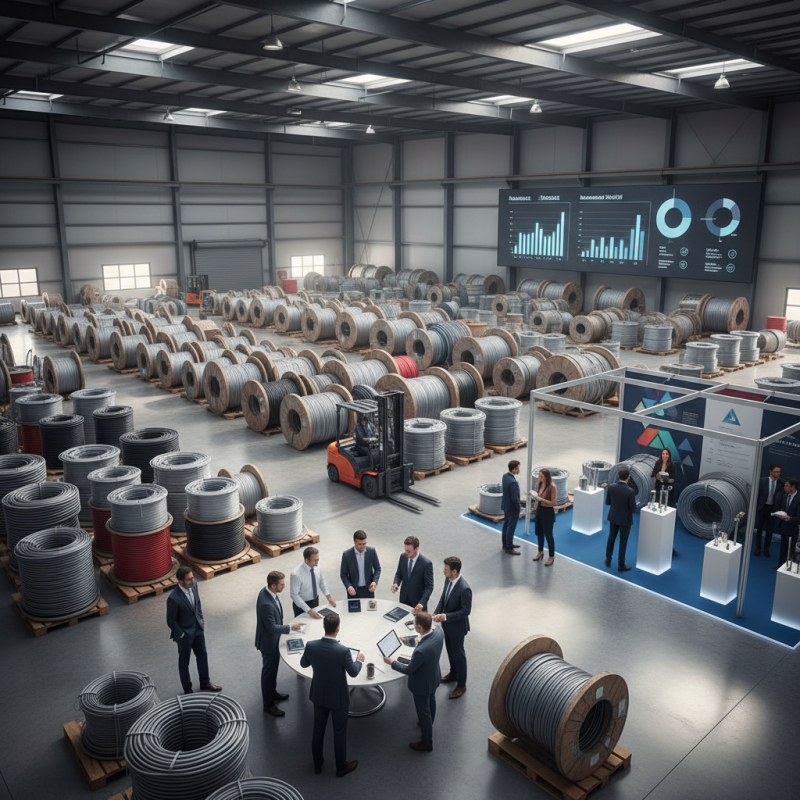
Demand can fluctuate, impacting availability. Keeping abreast of market trends helps businesses adapt. Networking within industry circles may reveal hidden gems. Additionally, attending trade shows can expose you to innovative products. This dynamic environment requires constant vigilance and critical thinking, ensuring you source the best aluminum wire for your operations.
Understanding the Basics of Aluminum Wire and Its Applications
Aluminum wire is a versatile material used in various applications. Its lightweight nature makes it ideal for electrical wiring and construction. Many industries, such as automotive and telecommunications, rely on aluminum wire for effective performance. Understanding its properties is crucial for sourcing the right type for your needs.
When sourcing aluminum wire, consider its conductivity and tensile strength. A higher conductivity means better efficiency in electrical systems. However, the tensile strength can vary based on alloy composition. Reflecting on these factors can help you avoid costly mistakes in your projects.
It's essential to evaluate suppliers thoroughly. Look for those with a good track record in quality and reliability. Sometimes, a lower price may compromise the wire's integrity. This can lead to unexpected challenges in your operations. Being detail-oriented during the sourcing process can save time and resources later on.
Aluminum Wire Consumption by Industry (2022)
Identifying Reliable Aluminum Wire Suppliers for Your Business
When sourcing aluminum wire for your business, finding reliable suppliers is crucial. A trustworthy partner can ensure product consistency and quality. Start by searching for manufacturers and distributors with industry experience. Look for suppliers that have been in the market for several years, as longevity often indicates reliability. Investigate their reputation through reviews and testimonials. Engaging with other businesses in your field can provide valuable insights into potential suppliers.
Tips: Always request samples before making large orders. This helps you assess the quality and gauge the supplier's reliability. Don't hesitate to ask about their sourcing practices. Understanding where and how they procure their materials can reveal a lot about their commitment to quality.
Communication is key in supplier relationships. Establish clear expectations regarding delivery times and price fluctuations. If a supplier seems evasive or fails to address your concerns promptly, consider looking elsewhere. It’s important to reflect on past experiences to make better decisions in the future. A proactive approach can save time and money in your business operations.
2026 How to Source Aluminum Wire for Your Business Needs? - Identifying Reliable Aluminum Wire Suppliers for Your Business
| Supplier Location |
Wire Specifications |
Minimum Order Quantity |
Lead Time |
Price per kg (USD) |
Certifications |
| North America |
1000MCM, 1350 Alloy |
1000 kg |
4 weeks |
4.50 |
ISO 9001 |
| Europe |
500MCM, 6063 Alloy |
500 kg |
6 weeks |
5.00 |
RoHS, CE |
| Asia |
750MCM, 6061 Alloy |
2000 kg |
3 weeks |
3.75 |
ISO 14001 |
| South America |
250MCM, 1100 Alloy |
300 kg |
5 weeks |
6.00 |
ANSI/UL |
| Africa |
1250MCM, 1350 Alloy |
1500 kg |
7 weeks |
4.25 |
SGS |
Comparing Prices and Terms from Different Aluminum Wire Manufacturers
When sourcing aluminum wire, it is crucial to compare prices and terms from various manufacturers. The aluminum industry is competitive, and price variations can be significant. According to a recent report by the Aluminum Association, the global aluminum wire market is expected to grow at a CAGR of 4.5% from 2023 to 2028. This growth indicates that manufacturers are adjusting their pricing strategies regularly to maintain competitiveness.
Understanding the terms of sale is just as important as the price. Some manufacturers offer better payment terms or discounts for bulk purchases. A report from Market Research Future highlights that factors such as delivery times, warranty policies, and customer service quality are critical in decision-making. Comparing these details helps businesses avoid hidden costs.
Make sure to request samples when you're evaluating suppliers. It's essential to assess wire quality firsthand. Some suppliers may offer lower prices but compromise on standards. This could lead to issues down the line. A careful evaluation of all these factors will lead your business toward a more informed purchasing decision.