In the realm of industrial automation, Arc Welding Robots have become pivotal assets for manufacturers. According to a recent report by MarketsandMarkets, the global arc welding robot market is projected to reach USD 5.23 billion by 2025. This growing demand reflects the increasing need for precision and efficiency in welding processes.
One notable expert, Dr. Lisa Chen, a leading automation researcher, emphasizes the importance of these robots: "Arc Welding Robots not only enhance productivity but also improve safety in hazardous environments." However, not all companies have fully embraced this technology. Some struggle with integration and training issues. Transitioning to an automated system can be complex.
In China, several companies are leading the arc welding robot scene. They demonstrate innovation, yet face challenges in scalability and adaptability. The industry must reflect on these issues to streamline robot deployment. The journey of adapting to arc welding robots is fraught with both potential and pitfalls.
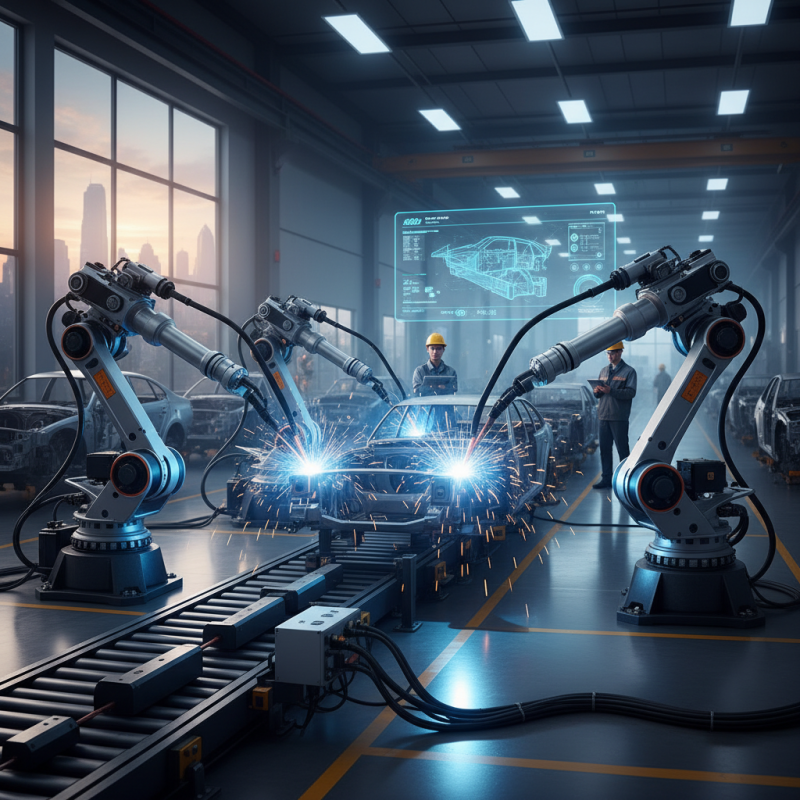
Arc welding robots have seen significant growth in China, driven by increasing automation needs in manufacturing. According to a recent report, the market for industrial robots in China is expected to reach $10 billion by 2025, with arc welding robots playing a key role. These robots offer precision, speed, and consistency, making them ideal for the automotive and heavy machinery sectors.
Despite their advantages, the adoption of arc welding robots comes with challenges. Many companies face issues with integrating these systems into existing workflows. Staff training is often insufficient. This can lead to operational hiccups. A study noted that around 30% of companies reported difficulties in maximizing robot efficiency due to improper setup or maintenance.
The future of arc welding robots in China looks promising yet uncertain. Continuous innovation in technology is essential. However, companies must remain vigilant about workforce development. Balancing automation with human skills is crucial for long-term success in the industry. Understanding these complexities helps companies navigate the landscape of arc welding robotics.
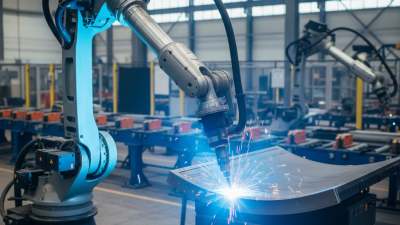
When evaluating the top arc welding robots, several criteria come into play. Precision and speed are paramount. Robots should consistently deliver high-quality welds. Data from industry reports indicates that automation can improve efficiency by 30% or more. This efficiency boost helps companies stay competitive.
Ease of programming is another key factor. A user-friendly interface can significantly reduce setup time. Many robots incorporate advanced software for intuitive controls. According to recent surveys, about 70% of operators prefer robots that offer simplified programming options.
**Tip:** Choose robots with strong support networks. Reliable customer service can save time and resolve issues quickly.
Safety features should not be overlooked. Robots must comply with industry safety standards. This helps reduce workplace accidents. Reports suggest that well-integrated safety systems can decrease injury rates by 50% or more.
**Tip:** Evaluate the robot’s maintenance requirements. Frequent maintenance can hinder productivity.
Consider the robot's adaptability to different projects. Versatile robots can switch between tasks easily, reducing downtime. However, not all robots meet this criterion. Some may struggle with changes in welding techniques or materials. Assessing these attributes is crucial when making an informed decision.
Arc welding robots are essential in modern manufacturing. They increase efficiency and precision in various industries. China’s market features a diverse range of these machines. Many of them cater to different needs, from automotive to construction.
When exploring the top arc welding robots in China, consider factors like speed and flexibility. Some models excel in small spaces, offering unique joint designs. Others might struggle with complex tasks, reflecting room for improvement. These robots can sometimes be cumbersome to program, requiring skilled operators.
Efficiency is not just about speed; it’s about the quality of welds. Some robots may produce inconsistent results under certain conditions. Understanding these nuances helps manufacturers make informed choices. Investing in advanced technology can lead to better outcomes, but selecting the right equipment is vital.
Arc welding robots are pivotal in modern manufacturing. They enhance precision and efficiency significantly. Each robot comes with unique features and innovations that cater to various industrial needs.
One standout feature is adaptive welding technology. This allows robots to adjust real-time based on material thickness or type. Such innovations lead to reduced waste and improved weld quality. Reports indicate that companies leveraging these technologies can enhance production rates by up to 30%. Additionally, enhanced user interfaces make programming easier. Operators can quickly adjust parameters, which saves time and reduces errors.
Tips: Always evaluate your production needs before choosing a robot. Each model may have strengths that align differently with your tasks. Consider how often you change materials or designs. Flexibility can be beneficial, but stability is equally important.
Another interesting aspect is the integration of AI. Many robots now use machine learning to improve their performance over time. This means they learn from past operations, reducing downtime and increasing efficiency. Yet, with this complexity, some users face a learning curve. Training and familiarization are essential. It’s crucial to continuously assess how these innovations fit your objectives and whether additional training for operators is required.
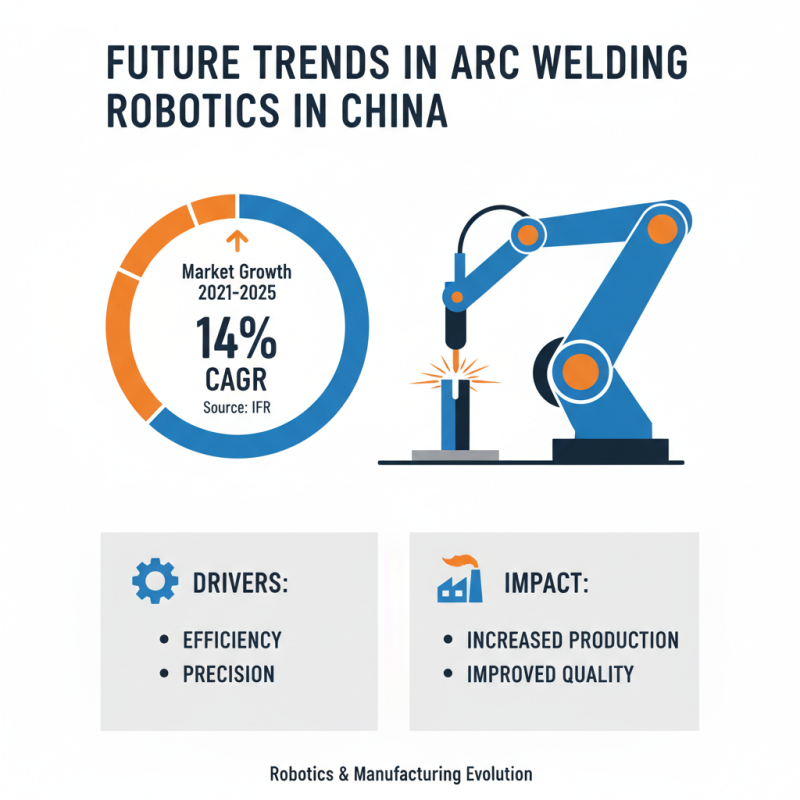
The landscape of arc welding robotics in China is rapidly evolving. According to a report by the International Federation of Robotics, the market for industrial robots in China is expected to grow at a compound annual growth rate (CAGR) of 14% from 2021 to 2025. This growth parallels the rise in awareness among manufacturers about efficiency and precision in welding processes.
Recent data indicates that by 2025, over 70% of China's welding tasks may be automated. This shift aims to resolve labor shortages and increase productivity. However, some small and medium-sized enterprises (SMEs) struggle with the transition. They often lack the resources to invest in advanced robotic systems, leaving them behind. The integration of AI and machine learning into arc welding can significantly enhance performance, yet many companies face challenges in adapting to these technologies.
Moreover, the demand for skilled operators remains high. Even as robots take over repetitive tasks, human oversight is crucial. There is a growing need for training programs that cater to this balance. Many industries assert that while robotic efficiency is indispensable, the human touch is still required for complex tasks. This dual approach might define the future trajectory of welding robotics in China. Adjustments and thoughtful reflection on these dynamics will be key to successful automation in this sector.