Top Pre Fabricated Metal Buildings for Your Next Project?
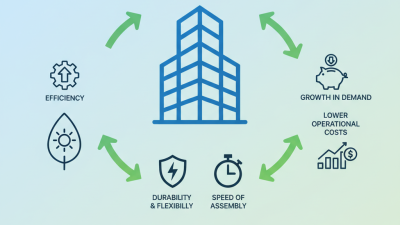
Pre Fabricated Metal Buildings have gained significant traction in recent years. According to a report by IBISWorld, the industry has seen steady growth, with an annual increase of 6.2%. This trend showcases the rising demand for these efficient and cost-effective structures across various sectors. Experts highlight that the versatility of pre-fabricated designs allows for quicker construction times and reduced labor costs.
John Smith, a leading expert in the Pre Fabricated Metal Buildings industry, emphasizes the benefits: "These buildings offer a blend of durability and flexibility that traditional structures cannot match." From warehouses to recreational facilities, the applications are extensive. However, it’s important to recognize the challenges that come with choosing the right materials and designs.
Many builders may overlook crucial aspects while selecting pre-fabricated options. Not all suppliers meet the same standards, which can lead to significant delays and cost overruns. Moreover, sustainability and energy efficiency are factors that require deeper evaluation. As the market evolves, the need for reliable guidelines becomes evident. Understanding these elements can lead to smarter decisions for your next project.
Overview of Prefabricated Metal Buildings
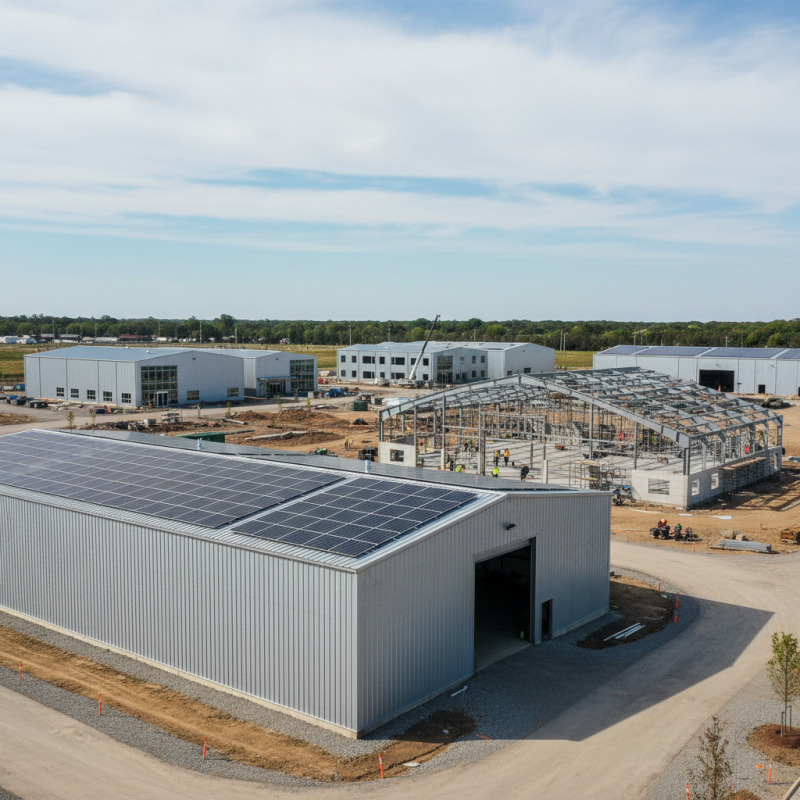
Prefabricated metal buildings offer a versatile solution for various construction projects. These structures arrive ready to assemble, significantly reducing construction time. Designed for durability, they can withstand harsh weather and require minimal maintenance. This aspect makes them an attractive option for both individuals and businesses.
The design options for prefabricated metal buildings are extensive. They can be tailored to fit specific needs, from warehouses to workshops. Some people might experience limitations when it comes to customization. However, most manufacturers provide a range of pre-designed templates. It’s essential to consider these options when planning a project.
Energy efficiency is another key factor that makes prefabricated metal buildings appealing. Insulated metal panels can help regulate temperature, reducing energy costs. Yet, it’s worth noting that these buildings can sometimes result in a noisy environment. Soundproofing may be needed, depending on the location. A careful evaluation of the site will aid in making informed choices.
Top Pre Fabricated Metal Buildings for Your Next Project
| Building Type |
Size (sq ft) |
Steel Gauge |
Insulation Offered |
Estimated Cost ($) |
| Warehouse |
5000 |
14 |
Yes |
$25,000 |
| Workshop |
3000 |
12 |
Optional |
$15,000 |
| Garage |
1000 |
16 |
No |
$10,000 |
| Storage Shed |
800 |
18 |
Yes |
$7,500 |
| Residential Home |
2000 |
14 |
Yes |
$40,000 |
Benefits of Using Prefabricated Metal Structures
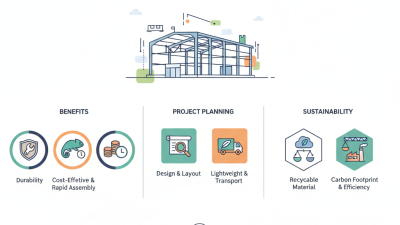
Prefabricated metal structures offer numerous benefits for various projects. They are cost-effective and efficient.
These buildings are quick to assemble, which shortens the project timeline. Reduced labor costs often lead to significant savings. Many businesses find this advantageous for their construction budgets.
Enhanced durability is another key feature. Metal structures withstand harsh weather conditions better than traditional buildings. Their resilience makes them ideal for industrial or agricultural applications.
The low maintenance requirements are also appealing. Metal does not rot or warp, which means fewer repairs over time.
When considering prefabricated metal buildings, keep a few tips in mind. Analyze your space requirements carefully. This will help in choosing the right size and layout for your structure.
Plan for future expansion as well. It's easier to add to a pre-existing metal building than to start from scratch later.
Lastly, always check local building codes. This ensures your project complies with regulations. These factors collectively contribute to a successful project using prefabricated metal structures.
Popular Types of Prefabricated Metal Buildings
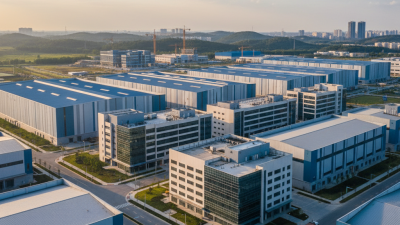
Prefabricated metal buildings have gained popularity due to their versatility and efficiency. These structures come in various types, catering to diverse needs. One common type is the industrial warehouse. These spaces are essential for storing goods and equipment. They often feature high ceilings and wide openings. This design maximizes storage capacity, but it can be costly if not planned well.
Another popular category is agricultural buildings. These are often used for farming purposes, such as barns or storage for machinery. Their durability and resistance to weather conditions make them a practical choice. However, customizing these structures may lead to unexpected expenses. Ensure you assess your needs carefully to avoid overspending.
Commercial buildings, such as retail spaces, are also on the rise. These structures can be designed to attract customers. A well-planned layout is crucial for maximizing foot traffic. Yet, choosing the wrong design could hinder business flow. Each type of prefabricated metal building has its advantages and pitfalls. It's essential to weigh these aspects before making a decision.
Key Factors to Consider When Selecting Metal Buildings
When selecting a prefabricated metal building, several key factors demand attention. One critical aspect is the intended use. Whether for storage, workshops, or commercial space, the design must accommodate specific needs. Reports indicate that nearly 70% of businesses prefer custom features tailored to their operations. This customization can significantly enhance the functionality of the space.
Another important factor is location. The building’s purpose will determine its site. For instance, if you’re in an area prone to high winds or heavy snowfall, the structure must meet relevant safety codes. Research highlights that buildings designed with local environmental conditions in mind can withstand extreme weather better. Yet, not all builders consider these aspects, leading to costly modifications post-construction.
Cost efficiency also plays a vital role. While upfront costs are essential, long-term savings matter too. Choosing energy-efficient materials can reduce utility expenses substantially. Industry data confirms that businesses can save up to 30% on energy costs with proper insulation and solar-ready designs. However, balancing initial expenses with potential savings requires thorough assessment and planning.
Top Pre-Fabricated Metal Buildings: Key Factors to Consider
Top Manufacturers of Prefabricated Metal Buildings
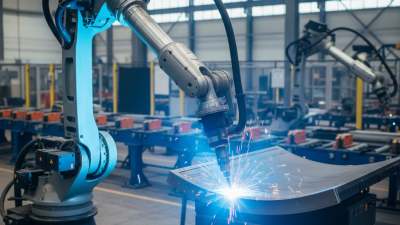
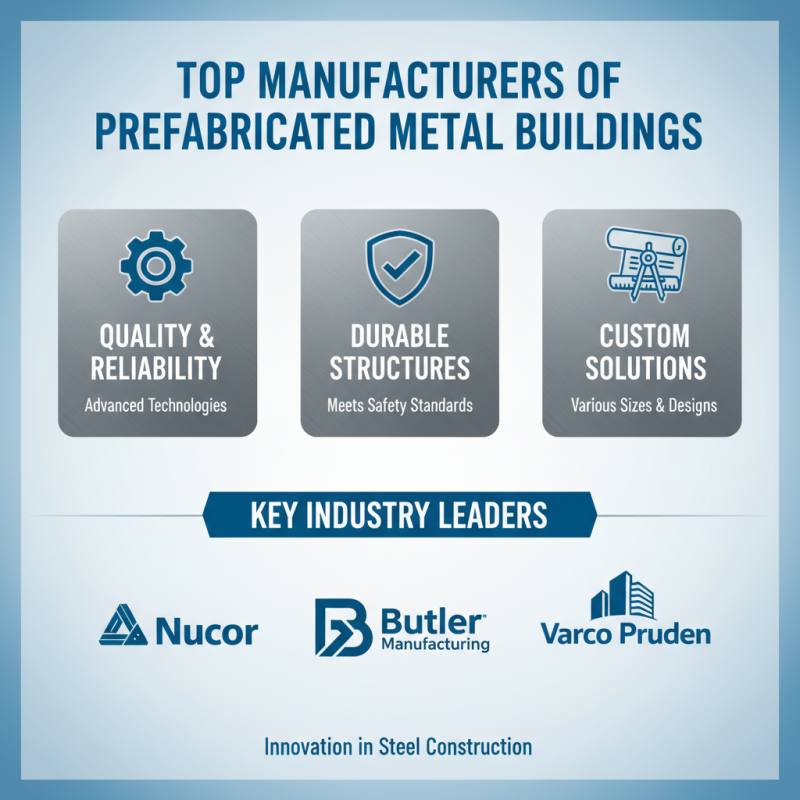
When considering prefabricated metal buildings, choosing the right manufacturer is crucial. The industry includes several key players known for quality and reliability. These manufacturers use advanced technologies to create durable structures. Their buildings often meet stringent safety standards and ensure longevity. Each offers a range of options, from custom sizes to specific designs that fit various needs.
Experienced manufacturers typically provide insights into construction trends. They understand what works for different climates and purposes. Their expertise can guide you in choosing materials and designs that enhance functionality. Some companies even offer design assistance and project management services. This support can be invaluable for complex projects, making the process smoother.
However, not all manufacturers are equal. It's important to research their past projects and customer feedback. Some may excel in certain areas but lack others. Engaging with past clients and reviewing testimonials can uncover potential issues. Seeking guidance from knowledgeable professionals can also enhance your understanding of the industry's landscape, ensuring you make an informed choice.