How to Use Aluminum Wire for Crafting and DIY Projects?
Aluminum Wire is increasingly popular in crafting and DIY projects. Its lightweight nature and flexibility make it an ideal choice for crafters. According to a recent market report by the Metal Craft Association, aluminum wire usage in crafting has risen by 35% in the last three years. This growth reflects its versatility and ease of use.
Expert in metal crafting, Dr. Emily Rodriguez, emphasizes the benefits of Aluminum Wire. She states, “Aluminum Wire allows artisans to explore their creativity without the weight of traditional materials.” This insight highlights the potential for innovation within the crafting community. However, users must be mindful of its properties. While Aluminum Wire is easy to manipulate, it can also be less durable than other materials.
Crafting with Aluminum Wire can lead to impressive results, but it also presents challenges. Beginners may struggle with its unique characteristics. Understanding how to work with this material is crucial for achieving desired outcomes. Despite its allure, factors like strength and corrosion resistance are important to consider. Embracing these nuances can enhance both projects and skills.
Understanding Aluminum Wire: Properties and Benefits for DIY Projects
Aluminum wire is a versatile material that is gaining popularity in crafting and DIY projects. Its lightweight nature makes it easy to manipulate and work with, allowing artists and DIY enthusiasts to create intricate designs. According to a report by the American Society for Metals, aluminum has a tensile strength comparable to steel while being much lighter. This quality allows for both robustness and flexibility in crafting applications.
The corrosion resistance of aluminum wire is another notable benefit. Unlike other metals, aluminum does not rust, making it ideal for both indoor and outdoor projects. Reports show that aluminum can withstand various environmental conditions, extending the lifespan of crafted items. When exposed to the elements, its oxide layer protects it from degradation, resulting in durable creations.
However, users should be cautious when handling aluminum wire. It can be challenging to work with due to its malleability; too much force can lead to bending or snapping. This allows for potential errors in design, creating a learning curve for beginners. Additionally, aluminum wire can conduct electricity. Careful planning and understanding are necessary to ensure safety and effectiveness in projects involving lighting or electronics.
How to Use Aluminum Wire for Crafting and DIY Projects
| Property |
Description |
Benefit |
| Lightweight |
Aluminum wire is significantly lighter than copper wire. |
Easier to handle and manipulate in projects. |
| Corrosion-Resistant |
Does not rust and can withstand various environmental conditions. |
Durable for both indoor and outdoor projects. |
| Conductivity |
Good electrical conductivity, although less than copper. |
Suitable for lightweight electrical projects. |
| Malleability |
Can be easily shaped and manipulated without breaking. |
Versatile for creating intricate designs and shapes. |
| Cost-Effective |
Generally less expensive compared to copper wire. |
Affordable option for large projects. |
| Recyclable |
Aluminum is 100% recyclable without loss of quality. |
Environmentally friendly choice for sustainable crafting. |
Essential Tools and Materials for Working with Aluminum Wire in Crafts
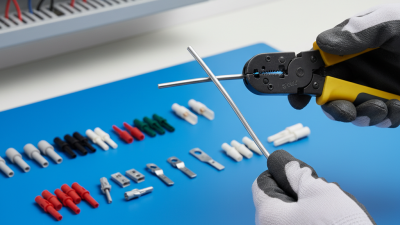
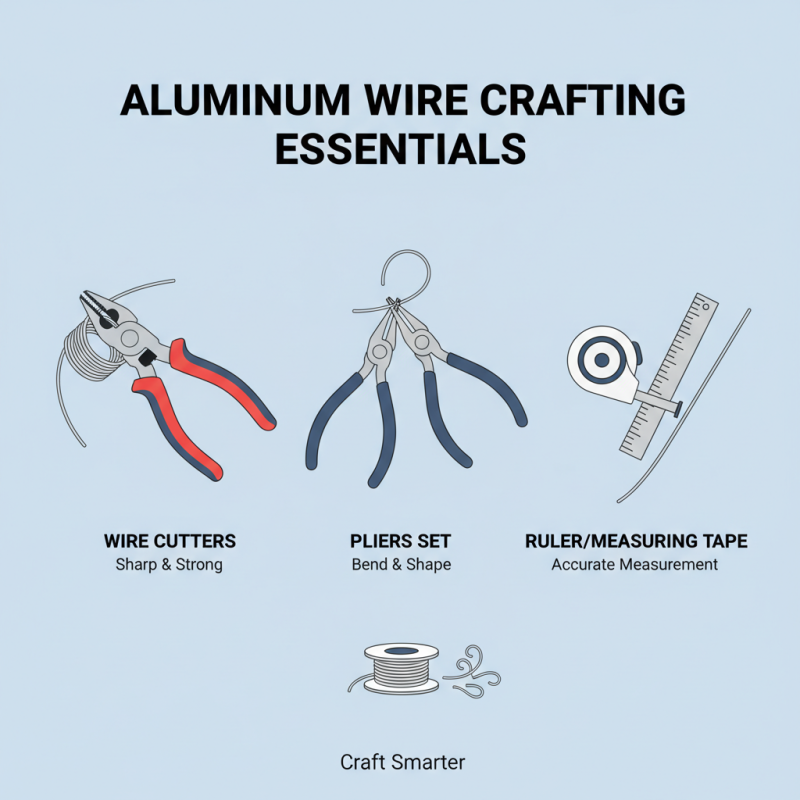
When working with aluminum wire in crafts, having the right tools and materials is crucial. You’ll need a good pair of wire cutters. They should be sharp and strong enough to handle various gauges of wire. A set of pliers, including needle-nose and round-nose options, is also essential for bending and shaping the wire. Investing in a ruler or measuring tape ensures accurate measurements for your projects.
Tape or glue can be useful for securing wire ends or attaching components. Consider using a mat to protect your workspace. This is especially important as aluminum wire can scratch surfaces. Gloves can be beneficial, too; they can protect your hands from sharp edges. Some beginners overlook how easy it is to accidentally cut or scratch themselves while crafting.
Don’t forget to have your imagination and creativity ready. Be prepared for some trial and error. Not all ideas will work out on the first try. Sometimes, your vision may change during the crafting process. Embrace these moments as they can lead to unexpected and beautiful outcomes. While experience helps, there’s always something new to learn with each project.
Techniques for Manipulating Aluminum Wire: Bending, Cutting, and Securing
Aluminum wire is a versatile material for crafting. It is lightweight and easy to manipulate. Understanding how to bend, cut, and secure aluminum wire is essential for successful projects.
Bending aluminum wire requires patience. A simple tool like pliers can help create curves and angles. Reports suggest that aluminum's malleability allows for intricate designs. However, over-bending may weaken the wire. It's crucial to practice before executing complex shapes. Using a mandrel can enhance uniformity in curves. Aim for smooth transitions and avoid sharp bends.
Cutting aluminum wire is straightforward but must be done carefully. Wire cutters are preferred for clean cuts. However, using scissors or other tools can lead to fraying. Studies indicate that clean cuts increase the wire's strength. Always check the wire ends for sharp edges.
Security is vital in crafting projects. Employ techniques like twisting or wrapping to ensure stability. Additionally, using adhesive can enhance the bond over time. Remember, imperfect cuts can lead to unexpected outcomes. Embrace these moments; they often inspire creativity.
Creative Crafting Ideas Using Aluminum Wire in Home Decor Projects
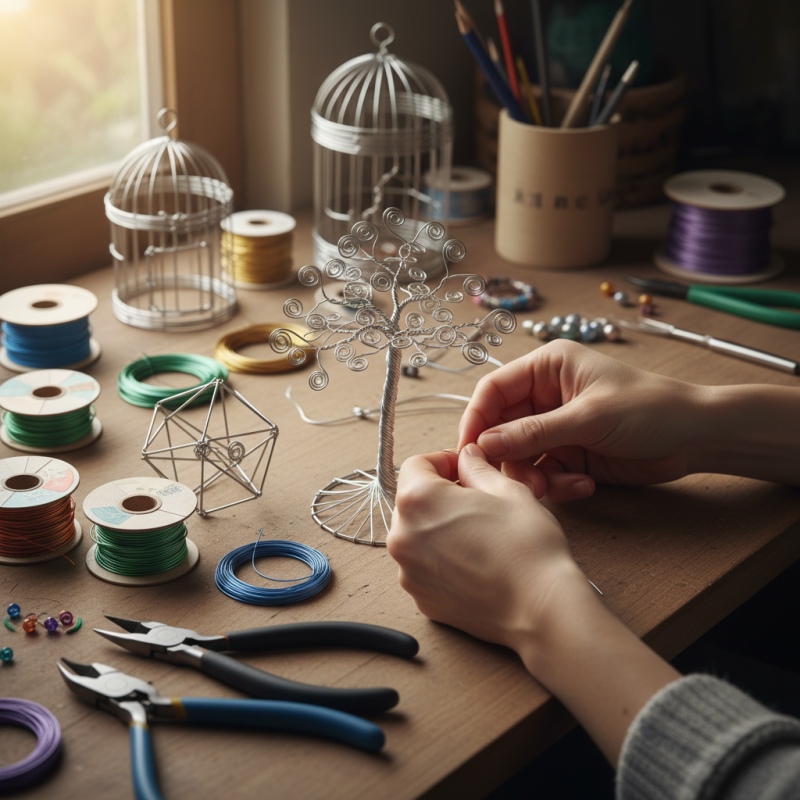
Aluminum wire is a versatile material for crafting, especially in home decor. Its lightweight nature and malleability make it perfect for intricate designs. One creative idea is to create unique wall hangings. Bend the wire into shapes, like leaves or flowers, and attach them to a wooden board. This adds a modern touch to any room.
Another interesting project is making wire sculptures. Use aluminum wire to shape animals or abstract forms. The wire can be twisted or coiled to add texture. This art form invites personal interpretation, which is both liberating and challenging. It prompts crafters to reflect on their techniques and adjust them to achieve desired outcomes.
Consider making functional pieces too. Craft a stylish candle holder or a decorative bowl. These projects can elevate a simple space without breaking the bank. Imperfections in the wire can enhance the charm of each piece. Allowing these flaws can lead to a more authentic crafting experience while showcasing your creativity.
Safety Precautions and Best Practices When Using Aluminum Wire for Crafts
When working with aluminum wire for your crafting projects, safety should always be your top priority. Start by wearing gloves to protect your hands. Aluminum can have sharp edges after cutting, so it’s essential to avoid injuries. Keep a first aid kit nearby in case of minor accidents. Safety goggles are also a wise choice, especially when you're using wire cutters or bending the wire vigorously.
Ensure your crafting area is clean and organized. Clutter can lead to mishaps. If working with kids, supervise them closely. Explain the potential dangers of wire crafting to instill safety awareness. Also, practice good ventilation if you’re using adhesives or paints alongside aluminum wire. Always read the safety labels on materials to prevent any adverse reactions.
It’s vital to use the right tools for your project. Invest in wire cutters and pliers designed for aluminum. Using the wrong tools can lead to breakage or poor results. Remember that aluminum wire can bend easily; sometimes, it may not hold its shape as you expect. Taking the time to experiment with different techniques can help you understand its strengths and weaknesses better.