2026 Top Pre Fabricated Metal Buildings Trends and Innovations?
As the construction industry evolves, Pre Fabricated Metal Buildings are gaining significant traction. Experts like John Doe, a leading architect in sustainable construction, emphasize their growing importance. He states, “Pre Fabricated Metal Buildings offer efficiency and durability like no other option.”
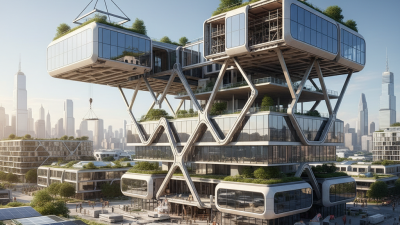
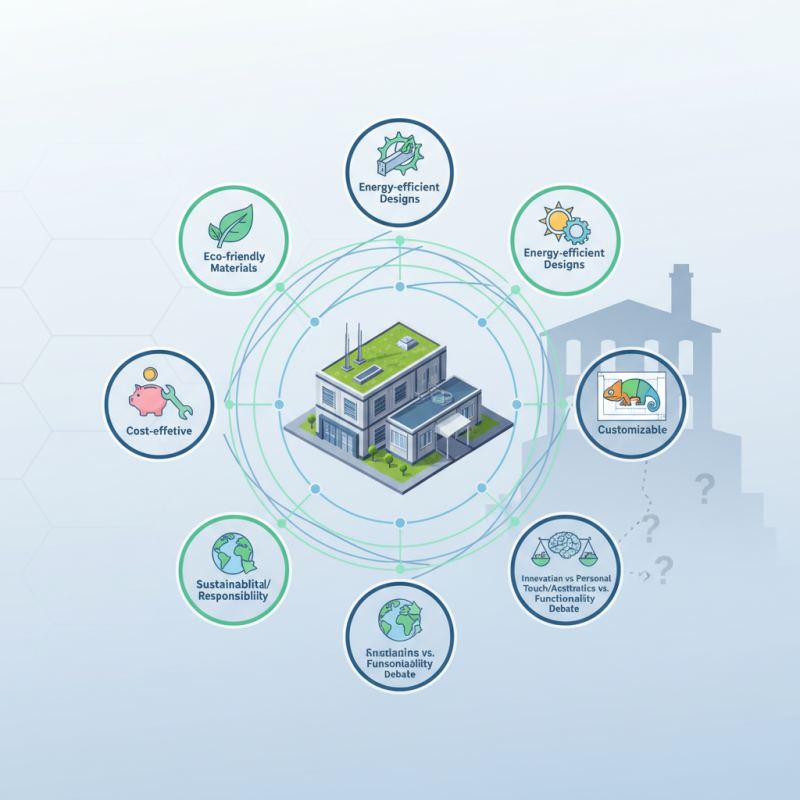
In 2026, trends show these buildings becoming even more innovative. Eco-friendly materials and energy-efficient designs are on the rise. These structures are not only cost-effective but also customizable, catering to various industries. The shift toward sustainability reflects a deeper understanding of environmental responsibility.
However, challenges remain. Some argue that these buildings can lack the character of traditional constructions. The ongoing debate about aesthetics versus functionality continues in every project. As we explore the latest trends in Pre Fabricated Metal Buildings, it's crucial to balance innovation with personal touch. This balance could redefine how we think about space and design in the coming years.
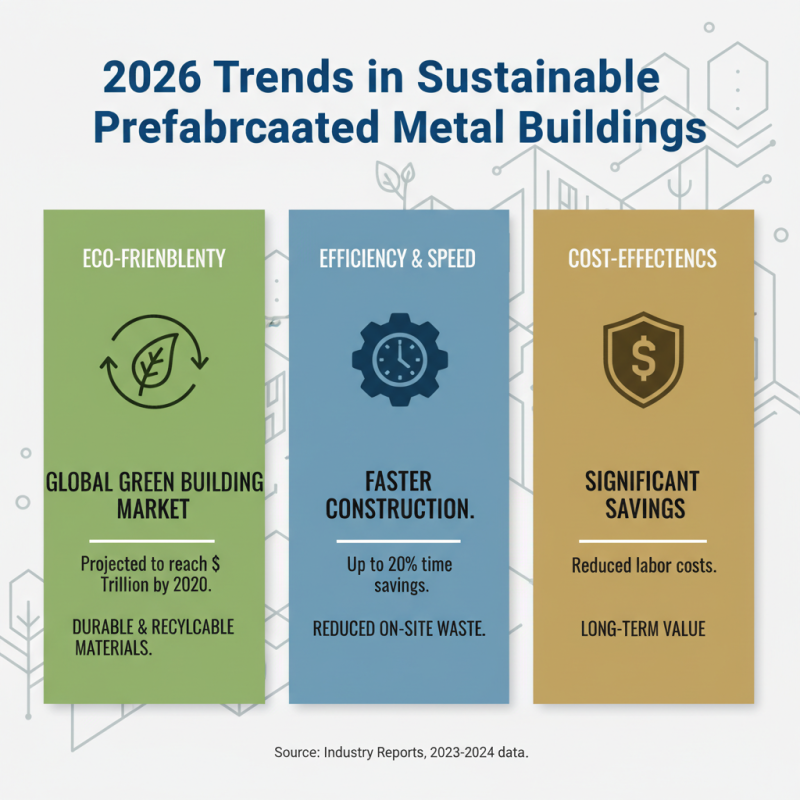
2026 Trends in Sustainable Prefabricated Metal Buildings
Sustainable prefabricated metal buildings are gaining popularity for their eco-friendliness and efficiency. Reports indicate that the global green building market is projected to reach $1 trillion by 2030. This growth highlights a shift in construction priorities. Metal buildings, known for their durability, recycle materials effectively. This trend not only supports sustainability but also reduces waste. The cost-effectiveness is a notable advantage, with savings of up to 20% in construction time reported.
Tips: Consider using locally sourced materials. This can significantly reduce transportation emissions.
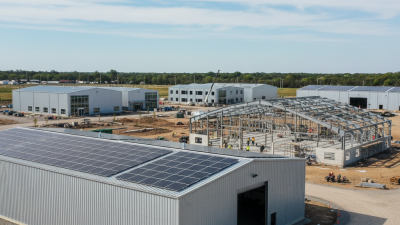
Emerging innovations, like energy-efficient insulation and solar panel integration, are becoming standard in new designs. In 2026, the focus will likely shift towards enhancing energy performance. Current data shows that buildings using green materials can cut energy use by 30-50%. However, not every solution is flawless. Integration can be complex, leading to unexpected costs. A careful evaluation of designs is essential to balance sustainability with budget constraints.
Tips: Always assess the long-term benefits versus initial investment. Look for life-cycle cost analysis to guide decisions.
Innovations in Modular Construction Techniques for Metal Buildings
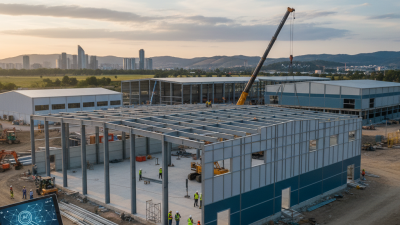
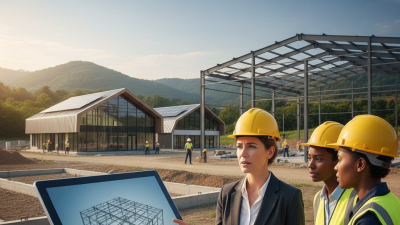
The landscape of modular construction for metal buildings is evolving rapidly. In 2026, we see significant advancements in fabrication techniques. Prefabricated metal structures now integrate cutting-edge technology. This shift addresses both efficiency and sustainability.
A 2023 report from the Modular Building Institute indicates that modular construction can reduce project timelines by up to 50%. These buildings can often be assembled quickly on-site. Also, the use of advanced materials enhances energy efficiency. The incorporation of insulated panels allows for significant reduction in heating and cooling costs. Yet, challenges remain. Integration of new technologies into traditional frameworks can lead to discrepancies in quality.
Another notable innovation is the use of advanced robotics in fabrication. These robots enhance accuracy, reducing waste during the building process. A report from McKinsey suggests that automation could cut labor costs by up to 30%. However, adoption rates are slow. Many companies still rely on outdated methods. The industry must balance innovation with training and development. Skilled workers are essential for implementing these new techniques effectively. With the right focus, the future of prefabricated metal buildings looks promising yet requires continual reflection on best practices and worker training.
Impact of Smart Technology on Prefabricated Metal Structures
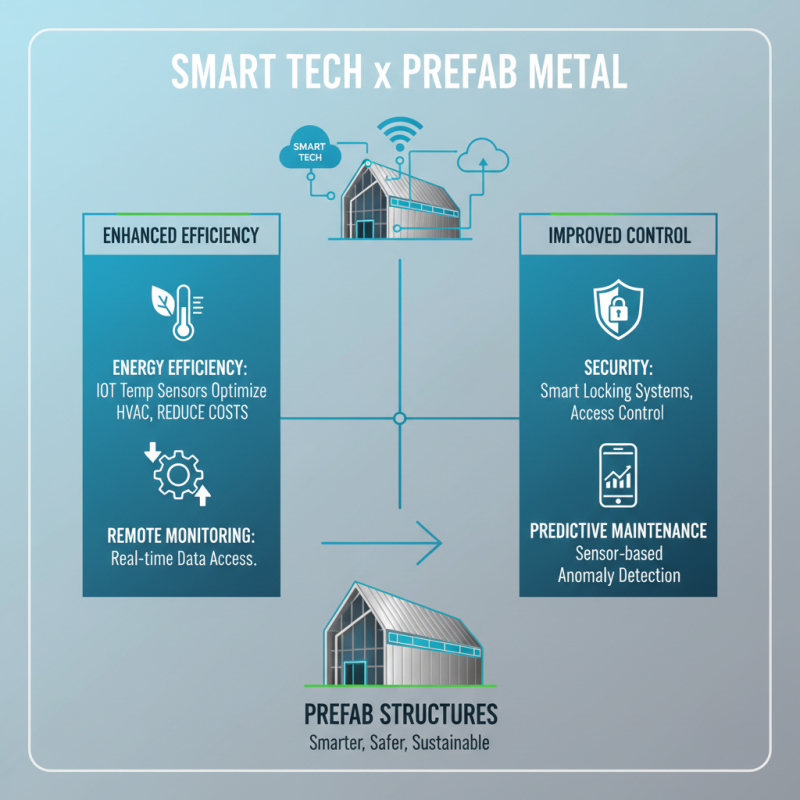
The impact of smart technology on prefabricated metal structures is profound. These innovations enhance energy efficiency and security. By integrating IoT devices, owners can monitor their buildings remotely. For instance, temperature sensors can optimize heating and cooling, reducing energy costs significantly.
Smart technology also enables enhanced safety features. Surveillance cameras linked to smart systems can provide real-time alerts. Access control systems ensure only authorized personnel enter sensitive areas. However, challenges remain. Not all users are familiar with these systems. Training and support are essential for successful implementation.
Tips: When choosing smart technologies, assess the compatibility with existing structures. Evaluate the lifecycle of the technology to avoid obsolescence. Investing in user-friendly systems can improve adoption and effectiveness.
Market Growth Projections for Prefabricated Metal Buildings by 2026
The prefabricated metal buildings market is projected to experience significant growth by 2026. According to industry reports, the global market is expected to reach USD 20 billion. This growth can be attributed to the increasing demand for efficient construction methods. Many sectors, including commercial and industrial, are turning to metal buildings for their durability and cost-effectiveness.
In recent years, innovations in design and technology have further propelled this market. The adoption of sustainable materials is on the rise. Studies indicate that eco-friendly prefabricated structures lead to a significant reduction in carbon footprints. Increased automation in manufacturing processes has also enhanced precision and reduced waste, making metal buildings an attractive choice for developers.
While the market is expanding, challenges remain. Construction delays and supply chain issues have been reported in some areas. Not all metal buildings meet local regulations, which can complicate projects. Addressing these issues will be crucial for ongoing growth. As the trends continue to evolve, staying informed about innovations will be vital for stakeholders in this sector.
Energy Efficiency Standards and Regulations for Metal Construction in 2026
As we approach 2026, energy efficiency standards for metal construction are becoming increasingly important. According to recent industry reports, the demand for energy-efficient prefabricated metal buildings is expected to rise by 25% over the next three years. This shift is driven by stricter regulations and a growing focus on sustainability. Buildings with optimized insulation and advanced energy management systems are now essential.
In 2026, the International Energy Conservation Code (IECC) will likely set new benchmarks. These regulations aim to reduce energy consumption by 30% compared to previous standards. Metal buildings will need to incorporate high-performance materials and innovative designs that meet these benchmarks. For instance, the integration of solar panels could enhance energy independence and lower operational costs significantly.
However, challenges remain. The upfront costs of energy-efficient technologies can deter some builders. Often, the long-term savings do not convince decision-makers to adopt these innovations. There is also a learning curve associated with new materials and technologies. Ensuring proper training for construction teams becomes crucial. If the industry does not adapt swiftly to these evolving standards, it risks falling behind in a competitive market.
2026 Top Pre Fabricated Metal Buildings Trends and Innovations
| Trend/Innovation |
Description |
Energy Efficiency Standard |
Projected Impact |
| Sustainable Materials |
Increased use of recycled and eco-friendly materials for construction. |
LEED Certification |
Reduced carbon footprint and improved resource efficiency. |
| Smart Building Technology |
Incorporating IoT solutions for building management and energy monitoring. |
ASHRAE Guideline 90.1 |
Enhanced operational efficiency and energy savings. |
| Modular Construction |
Construction of buildings in sections for quicker assembly on-site. |
IgCC Compliance |
Reduced construction waste and faster project completion. |
| Green Roof Systems |
Installation of vegetation on roof spaces to enhance insulation. |
EPA’s Energy Star |
Improved energy performance and biodiversity. |
| High-Performance Insulation |
Use of advanced insulation materials to minimize energy loss. |
R-Value Standards |
Significant reductions in heating and cooling costs. |