10 Essential Tips for Choosing Prefabricated Steel Buildings
Choosing the right building for your needs is vital. Prefabricated Steel Buildings have gained popularity for their durability and efficiency. These structures offer various benefits, from cost-effectiveness to quick assembly.
However, selecting the ideal model can be challenging. Not all prefabricated buildings are created equally. Understanding your requirements and preferences is crucial. You need to consider factors like location, usage, and climate. Are you prioritizing aesthetics or functionality?
Researching and asking questions can help clarify your vision. Finding reliable suppliers is essential. Not all companies deliver on quality. Take your time to assess options. Analyze reviews and seek expert opinions. Making the right choice involves careful thought and deliberation. Remember, the decision you make today impacts your future.
Understanding Prefabricated Steel Buildings: A Comprehensive Overview
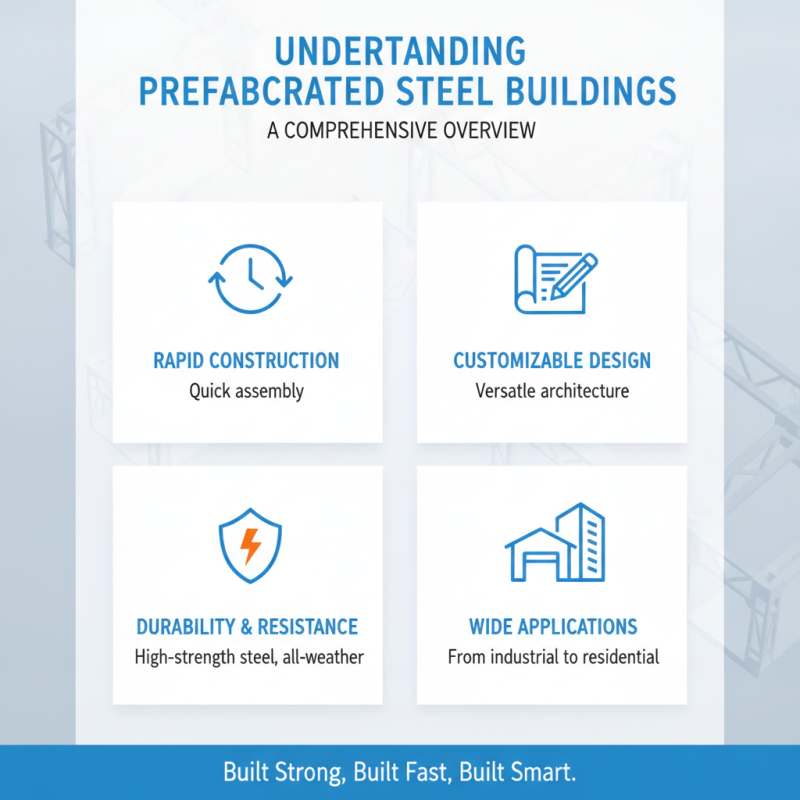
When considering prefabricated steel buildings, it's essential to grasp their unique advantages. These structures offer rapid construction times and can be customized to various designs. Made primarily from high-strength steel, they ensure durability and resistance to adverse weather conditions. This makes them a popular choice for a range of applications, from warehouses to residential homes.
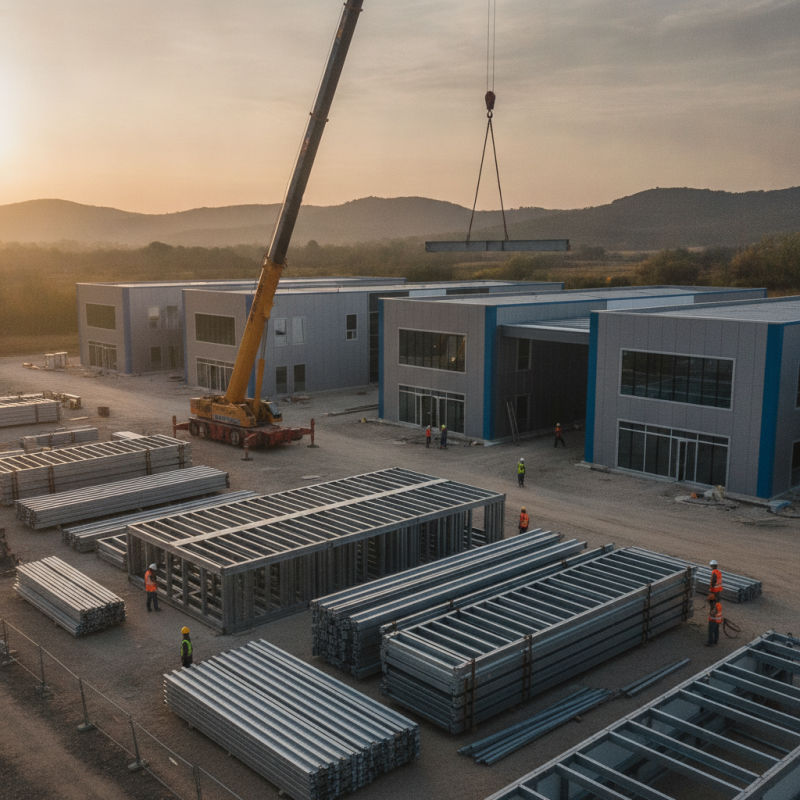
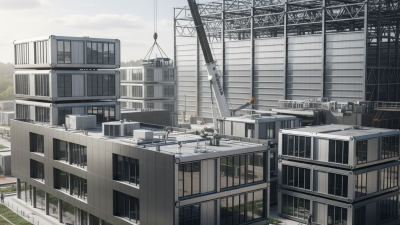
Understanding the components of prefabricated steel buildings is crucial. They typically feature modular designs, allowing for efficient assembly. Each section is manufactured off-site, which minimizes waste and reduces the project timeline. However, coordinating delivery and assembly can pose challenges. It requires careful planning and clear communication among all parties involved.
Additionally, evaluating the insulation and energy efficiency of these buildings cannot be overlooked. Although many designs include energy-efficient features, not all do. Prospective buyers should inquire about these aspects. A well-insulated steel building can significantly impact long-term operating costs. Balancing aesthetics with functionality can lead to more satisfying outcomes. It's important to weigh all these factors when making a choice.
Key Advantages of Choosing Prefabricated Steel Structures
Choosing prefabricated steel buildings offers significant advantages. These structures are known for their strength and durability. Steel can withstand extreme weather conditions, making it a reliable option for various applications. Its resistance to fire and pests is also a significant benefit, leading to lower maintenance costs over time.
When selecting a prefabricated steel building, consider the design flexibility. Steel can be molded into a variety of shapes and sizes, allowing customization for your specific needs. Evaluate the insulation options as well; proper insulation can enhance energy efficiency and comfort. Pay attention to the foundation requirements, as this will impact overall stability.
Budgeting is crucial. While initial costs may seem high, the longevity and low upkeep of steel structures often justify the investment. Research local regulations and zoning laws to avoid potential issues. Reflect on your long-term goals; investing in quality now can pay off down the line. Choosing the right prefabricated steel building can lead to success and satisfaction in your project.
Factors to Consider in Prefabricated Steel Building Design
When designing prefabricated steel buildings, several factors are crucial to ensure functionality and longevity. Start by considering the location. The climate can greatly influence materials chosen for construction. Properties in areas prone to heavy snow, for instance, need adequate roof support. This ensures the structure can withstand environmental stresses.
Next, think about the building’s intended use. Will it be a warehouse, office, or another application? Each purpose has specific requirements. Think of factors like layout, door placement, and ventilation. These elements not only affect performance but also the long-term usability of the building.
Don’t overlook local building codes and regulations. They can significantly impact your design choices. Some areas may require specific fire safety measures or accessibility features. If overlooked, this could lead to costly modifications after construction. Keep in mind, collaborating with professionals can provide essential insights. Their expertise can help avoid costly pitfalls often faced during the design phase.
Assessing Quality and Compliance Standards in Steel Fabrication
When selecting prefabricated steel buildings, quality assessment is crucial. The material's strength, durability, and resistance to environmental factors can influence your building's longevity. Look for certifications that verify compliance with industry standards. These documents ensure that the steel meets required specifications.
Understanding fabrication techniques is also vital. Different processes can affect the final product’s integrity. Examine the welding methods used in the construction. Poor welding can lead to structural weaknesses. Inspecting the finishing processes helps identify potential issues, such as corrosion resistance.
It's important to consult industry experts. They can provide insights on the best practices in steel fabrication. Be aware of common pitfalls in this field. Sometimes, manufacturers may overlook essential standards to cut costs. Always prioritize reputable suppliers. This diligence can prevent future complications in your project.
Comparison of Key Quality Metrics in Prefabricated Steel Buildings
Cost Evaluation and Budgeting for Prefabricated Steel Projects
When planning a prefabricated steel building project, a clear understanding of costs is essential. According to a recent industry report from the Steel Manufacturers Association, the overall cost of prefabricated steel buildings can vary widely. Factors include design complexity, location, and materials used. On average, costs can range between $15 to $30 per square foot. This estimate does not cover site preparation, which can inflate the budget significantly.
Budgeting should account for additional expenses. Site preparation often includes grading, utility installations, and more. These tasks can account for up to 25% of the total budget. Setting aside funds for unforeseen issues is crucial. Industry data shows that 30% of projects encounter unexpected costs. Therefore, it’s wise to include a contingency fund, usually around 10% of the total budget.
Lastly, align your project goals with a realistic timeline. Delays can have financial consequences, as reported by the American Institute of Steel Construction. Delays often lead to increased labor costs and extended rental costs for equipment. This consideration emphasizes the need for careful planning and diligent monitoring of all project phases.