How to Choose the Best Prefabricated Steel Buildings for Your Needs?
When considering construction options, the choice of Prefabricated Steel Buildings stands out. These structures offer strength, durability, and efficiency. However, selecting the right prefabricated steel building requires careful thought. Each project has unique needs that should guide your decision.
You should assess factors such as size, purpose, and location. Think about the building's use. Will it be a warehouse, workshop, or a retail space? Different purposes demand different designs. Additionally, consider local regulations and environmental factors that may influence your choice. Reflect on what matters most: is it cost, speed of construction, or long-term sustainability?
It's crucial to consult with experts in the field. Their insights can help you avoid common pitfalls. While prefabricated steel buildings present numerous advantages, the wrong choice can lead to challenges. Take time to weigh your options. Examine various suppliers and their materials. A well-informed choice can lead to a successful project and lasting satisfaction.
Understanding Prefabricated Steel Buildings and Their Advantages
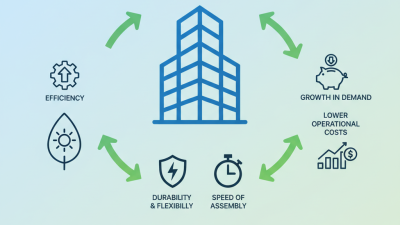
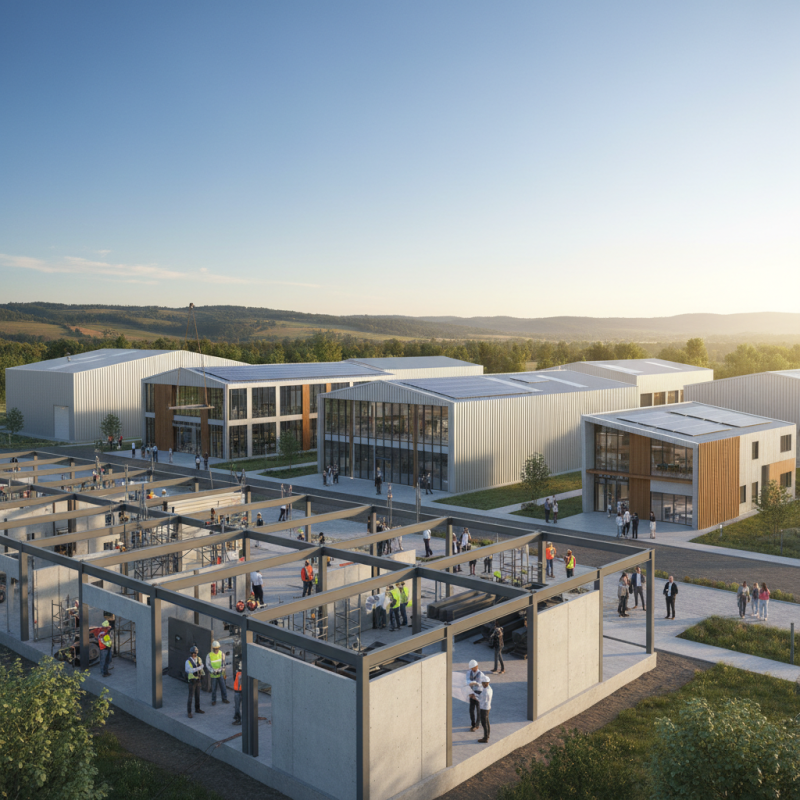
Prefabricated steel buildings offer a modern solution for various construction needs. These structures are designed to streamline the building process. They often come with pre-engineered components, reducing the time for construction. The assembly can be completed quickly, allowing for earlier occupancy. This efficiency is particularly valuable for businesses needing to minimize downtime.
The advantages of prefabricated steel buildings extend beyond speed. They provide durability, often outlasting traditional materials. Steel structures resist weather, pests, and fire, offering long-term cost savings. Additionally, they can be customized to fit specific requirements. This flexibility appeals to various industries, from warehouses to workshops. However, potential buyers should carefully assess their exact needs. Misjudging the size or specifications can lead to complications.
While prefabricated buildings present numerous benefits, it's vital to consider local regulations. Not all areas allow for such constructions without specific permits. Buyers should conduct thorough research and consult local authorities. Another common concern is the aesthetic aspect. Steel buildings may appear industrial, which isn't suitable for every location. Balancing function and appearance requires thoughtful planning.
Assessing Your Specific Needs and Requirements for Space
Choosing the right prefabricated steel building starts with understanding your specific needs. Think about the purpose of the space. Will it serve as a workshop, storage, or an office? Each function demands different dimensions and layouts. Consider the activities that will take place. This will guide your decisions on both size and features.
Space requirements also depend on how you envision growth. Do you plan to expand in the future? If so, design flexibility will be crucial. Opt for a plan that allows for easy modifications. Evaluate local regulations too. They can influence design options and requirements.
Budget constraints play a major role as well. Assess how construction costs align with your financial limits. Sometimes a lower initial price can lead to higher long-term expenses. Be wary of hidden costs. These can erode your budget if you're not diligent. Lastly, reflect on the aesthetics. Style matters. You want your building to blend with its surroundings while still being functional.
How to Choose the Best Prefabricated Steel Buildings for Your Needs?
| Dimension |
Description |
Considerations |
| Size |
Total area required for operation |
Evaluate current and future needs |
| Height |
Clear height needed for equipment and storage |
Consider vertical space for racking or machinery |
| Design |
Architectural layout and aesthetics |
Align with brand and functionality |
| Usage |
Intended purpose (e.g. warehouse, office) |
Different uses may affect design and layout |
| Location |
Site conditions and local regulations |
Accessibility, zoning laws, and weather considerations |
| Materials |
Steel grades and coating types |
Durability and maintenance requirements |
| Budget |
Estimated costs, including construction and maintenance |
Assess total costs versus projected ROI |
Evaluating Quality and Durability of Materials in Steel Buildings
When evaluating prefabricated steel buildings, quality and durability of materials are crucial. Steel itself is known for its strength. But the grade of steel matters significantly. High-quality steel provides better resistance to corrosion and damage. You should investigate the material thickness and chemical composition. Thin or low-grade steel may save costs but often leads to future problems.
Durability goes beyond just the steel. Protective coatings can enhance longevity. Heat-treated finishes resist wear and tear from environmental factors. Think about the building's design too. A well-designed structure distributes stress evenly and withstands harsh weather. Ask about the building's expected lifespan. Manufacturers should provide clear information about their materials' performance in various conditions.
Potential buyers should also consider their specific needs. Are you planning to use the building for heavy storage? Then the material requirements change. Strength and support will be priorities. Reflect on possible future adaptations too. What if you want to expand? Flexibility in design can influence long-term satisfaction. Always check for warranties and certifications to ensure you're making an informed decision.
Material Evaluation for Prefabricated Steel Buildings
Considering Cost, Budget, and Financing Options for Steel Buildings
When choosing the best prefabricated steel building, cost is a significant factor. According to recent industry reports, the average cost per square foot for prefabricated steel buildings ranges from $15 to $30. This price can fluctuate based on size, complexity, and location. Understanding these costs is crucial for your budget planning. Financing options often include loans, leasing, or using cash reserves. Each method has its pros and cons. For instance, loans may offer lower initial payments but can lead to long-term debt.
Budget considerations are not just about initial costs. Maintenance and operational expenses play an essential role. Steel buildings typically require less upkeep than traditional structures, but this doesn't mean they are entirely maintenance-free. On average, owners may expect annual expenses to be around 1-2% of the building's value. Planning for these ongoing costs is vital. Moreover, evaluating the long-term return on investment is equally important. A thorough assessment of how the building will perform can save money in the long term.
In the final analysis, while the initial cost is critical, a holistic view of the financial impact of prefabricated steel buildings can guide better choices. Weighing financing options, maintenance, and operational costs leads to a more informed decision. It's worth considering how each element will affect your financial strategy. Making a decision without this reflection may lead to regrettable outcomes later on.