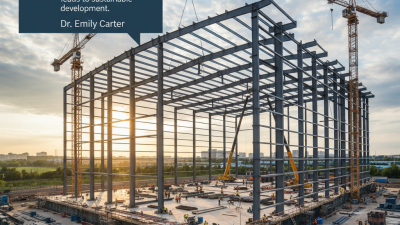
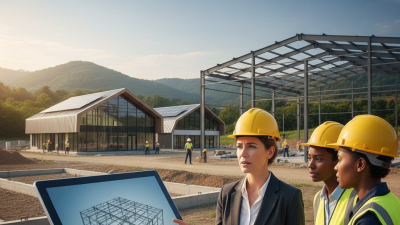
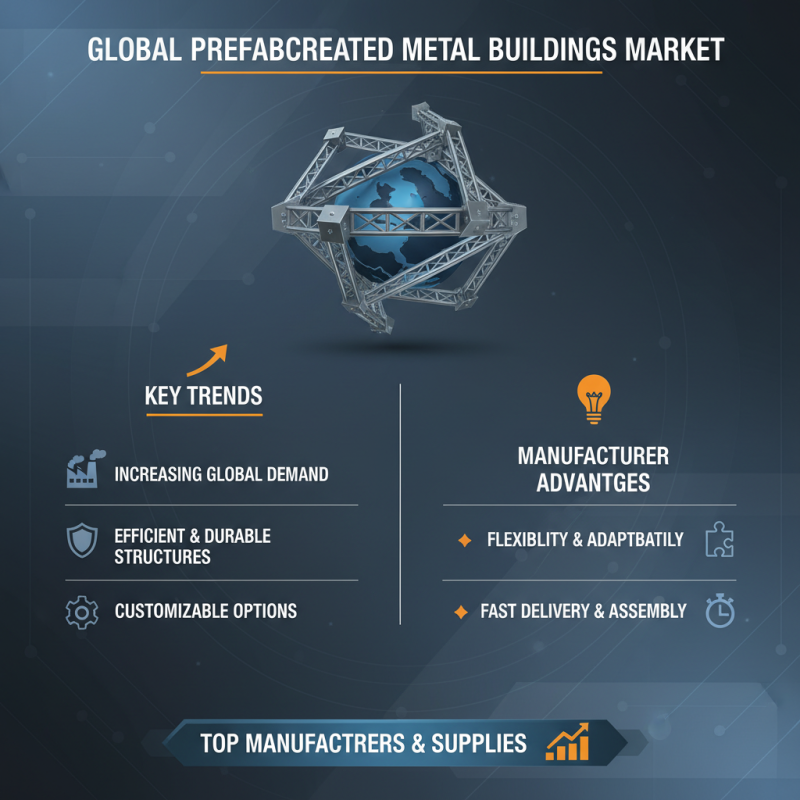
2026 Top Pre Fabricated Metal Buildings for Global Buyers?
The market for Pre Fabricated Metal Buildings is evolving rapidly. According to a recent report by MarketsandMarkets, the global prefabricated building market is expected to reach $170 billion by 2026, driven by the need for cost-effective and efficient construction solutions. Experts believe that these buildings offer significant advantages, including reduced construction time and lower labor costs.
John Smith, a seasoned expert in the field, asserts, “Pre Fabricated Metal Buildings provide unparalleled flexibility and durability in construction.” His insights reflect a growing trend among architects and builders. These structures are becoming increasingly popular, particularly in commercial and industrial sectors. They present unique design options with sustainability in mind.
However, challenges remain in the industry. Issues such as material sourcing and regulatory hurdles can complicate projects. Buyers must navigate these obstacles to optimize their investments. As the trend continues, the focus on quality and advanced technology will shape the future of Pre Fabricated Metal Buildings. Ultimately, the drive for innovation aligns with the industry's goal of greater efficiency and sustainability.
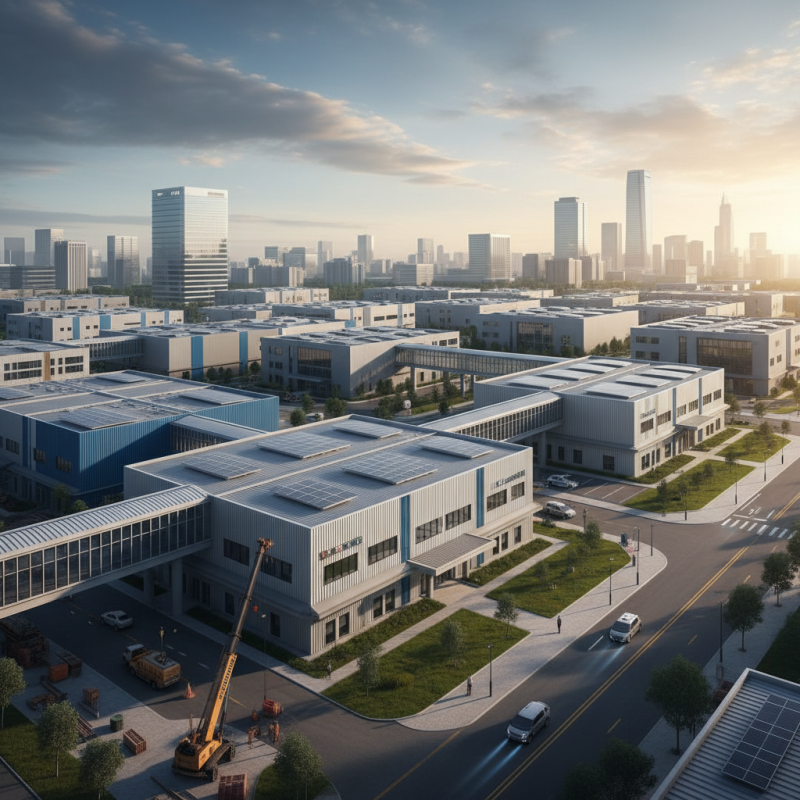
Overview of Prefabricated Metal Buildings in 2026
In 2026, prefabricated metal buildings continue to gain traction globally. Their versatility appeals to various industries, including agriculture and manufacturing. The structures are built off-site, which significantly reduces construction time. These buildings are often energy-efficient and durable, making them ideal for long-term use.
The rise of sustainable practices influences design trends. Many buyers now seek features like solar panels and eco-friendly materials. This shift relates to a growing awareness of environmental impact. However, challenges persist in integrating new technologies efficiently. Some buyers still prefer traditional construction methods, raising questions about the future of prefabricated solutions.
Importantly, the market is evolving. A diverse array of styles and sizes caters to individual needs. Yet, not all prefabricated solutions meet buyer expectations. It is crucial to conduct thorough research before making a decision. Understanding the nuances of construction types will empower buyers with better choices.
Key Features and Benefits of Prefabricated Metal Structures
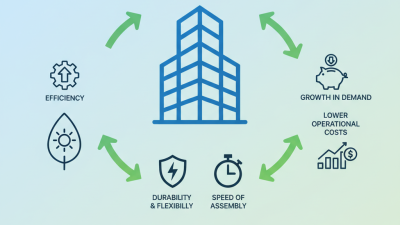
Prefabricated metal buildings are gaining popularity globally. They offer numerous advantages that appeal to various buyers. One key feature is the speed of construction. These structures can be assembled quickly on-site, significantly reducing build time. This efficiency is particularly beneficial for businesses in need of immediate space.
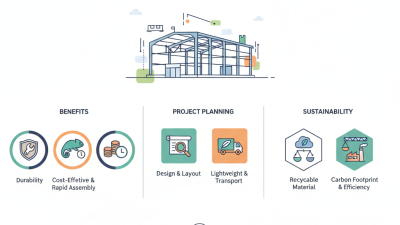
Another important benefit is their cost-effectiveness. Prefab metal buildings typically require less labor and materials, leading to lower expenses. Their durability is also noteworthy. Constructed to withstand harsh weather, they demand minimal maintenance over time. This can lead to long-term savings for owners. However, it's essential to ensure proper installation to maximize these benefits.
Flexibility is another appealing aspect. These buildings can be customized to suit different functions, from warehouses to offices. Yet, it’s crucial to consider local building codes and regulations. This can affect design choices and overall compliance. While prefabricated options are promising, some buyers may face challenges. Proper planning and consultation with experts can help ensure a smoother process.
Trends Influencing Prefabricated Metal Building Designs in 2026
In 2026, the landscape of prefabricated metal buildings is shaped by several key trends. One significant influence is sustainability. Buyers increasingly prefer eco-friendly designs that reduce energy consumption. Green materials and energy-efficient systems draw attention. Builders face challenges in balancing aesthetics and functionality. It's essential to find optimal materials that do not compromise the look of the structure.
Another trend is customization. Clients are seeking designs tailored to their unique needs. This demand can complicate production timelines and costs. Modular designs are gaining popularity due to their flexibility. However, the challenge lies in ensuring that these modular units meet local building codes and regulations. Designers must stay updated on these rules to avoid costly mistakes.
Technological advancements also play a crucial role. Innovations in construction techniques and software improve efficiency. Yet, reliance on technology may hinder creativity. Designers must strike a balance between innovation and traditional craftsmanship. As trends evolve, the industry must adapt while fostering a culture of continuous improvement. Navigating these trends requires careful consideration from all stakeholders involved.
Applications and Use Cases for Prefabricated Metal Buildings Worldwide
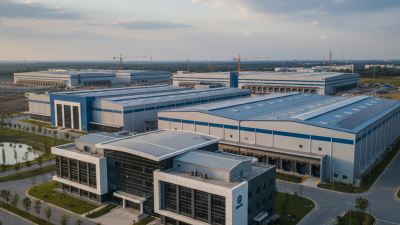
Prefabricated metal buildings are gaining popularity across various sectors. Their versatility makes them suitable for a range of applications globally. These structures are often used for commercial spaces, such as retail stores or warehouses. They are also ideal for industrial sites and agricultural purposes.
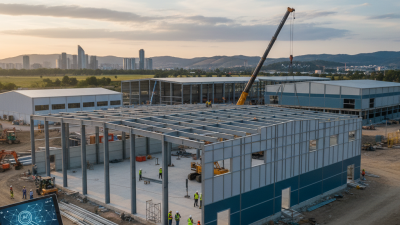
One major benefit of prefabricated metal buildings is their quick assembly. This can save time and labor costs. However, incorrect installation can lead to several issues. It’s crucial to ensure proper foundation work and alignment during setup.
Tips: Consider checking local regulations before installation. Structural integrity relies on proper adherence to safety standards. Also, evaluate the specific needs of your project. What works for one application may not suit another. Understanding these details can guide better decision-making. Ultimately, prefabricated buildings offer a reliable choice, but they do require thoughtful consideration during the planning phase.
2026 Top Pre Fabricated Metal Buildings for Global Buyers
| Building Type |
Application |
Square Footage |
Location |
Key Features |
| Warehouse |
Storage and Distribution |
10,000 - 50,000 sq ft |
USA |
Heavy-duty steel frame |
| Manufacturing Facility |
Production and Assembly |
20,000 - 100,000 sq ft |
Germany |
Energy-efficient design |
| Retail Store |
Commercial Sales |
5,000 - 15,000 sq ft |
Canada |
Modern facade |
| School |
Education Facility |
15,000 - 30,000 sq ft |
Australia |
Sustainable materials |
| Gymnasium |
Sports and Recreation |
10,000 - 20,000 sq ft |
UK |
Open layout |