Top Benefits of Using Prefabricated Steel Structures for Modern Construction?
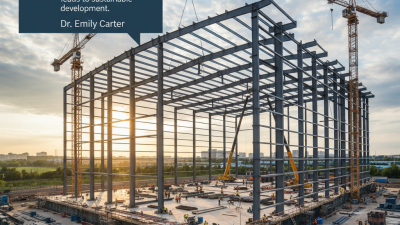
Prefabricated Steel Structures are transforming modern construction. A recent report by MarketsandMarkets reveals that the prefabricated building market is expected to reach $123 billion by 2025, showcasing a growing trend towards more efficient building methods. Industry expert Dr. Emily Thompson states, "The rise of prefabricated steel structures is reshaping how we think about efficiency in construction."
These structures offer a myriad of benefits. They reduce construction time significantly, often by 20-30%, leading to cost savings. Prefabricated Steel Structures are also highly durable and resistant to environmental factors. This resilience plays a vital role in sustaining long-term performance. However, some challenges exist in the design stage. Limited customization can restrict architects’ creativity.
Furthermore, while prefabrication promises efficiency, logistical complications can arise. Transportation and assembly need careful planning. As the industry evolves, striking a balance between innovation and practicality will be crucial. The future of construction lies in embracing these evolving practices while addressing their limitations. With sustained investment and research, the full potential of Prefabricated Steel Structures can be realized.
Advantages of Prefabricated Steel Structures in Modern Construction
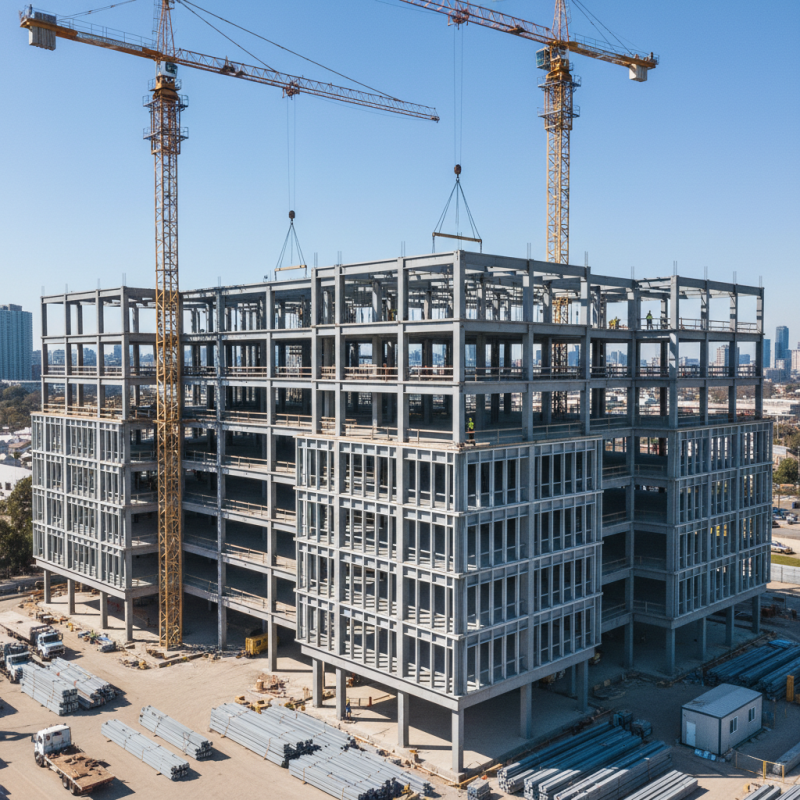
Prefabricated steel structures offer significant advantages in modern construction. One major benefit is their speed of assembly. A report by McKinsey suggests that prefabricated elements can reduce construction time by up to 30%. This rapid deployment is crucial in addressing housing shortages and meeting tight deadlines.
The durability of steel also stands out. Steel structures resist pests, mold, and rot. A study from the American Institute of Steel Construction notes that steel has a high strength-to-weight ratio, allowing for versatile designs without compromising integrity. This aspect is particularly important in areas prone to natural disasters, where robust buildings save lives.
Cost efficiency is a crucial factor. Prefabricated structures can lower waste by up to 20%. However, challenges exist, such as higher initial labor costs. Transporting large steel components to sites can inflate expenses. Additionally, local regulations may complicate the prefabrication process. Despite these issues, the long-term savings and efficiency gains frequently outweigh the drawbacks. The innovative nature of prefabricated steel is reshaping modern construction practices.
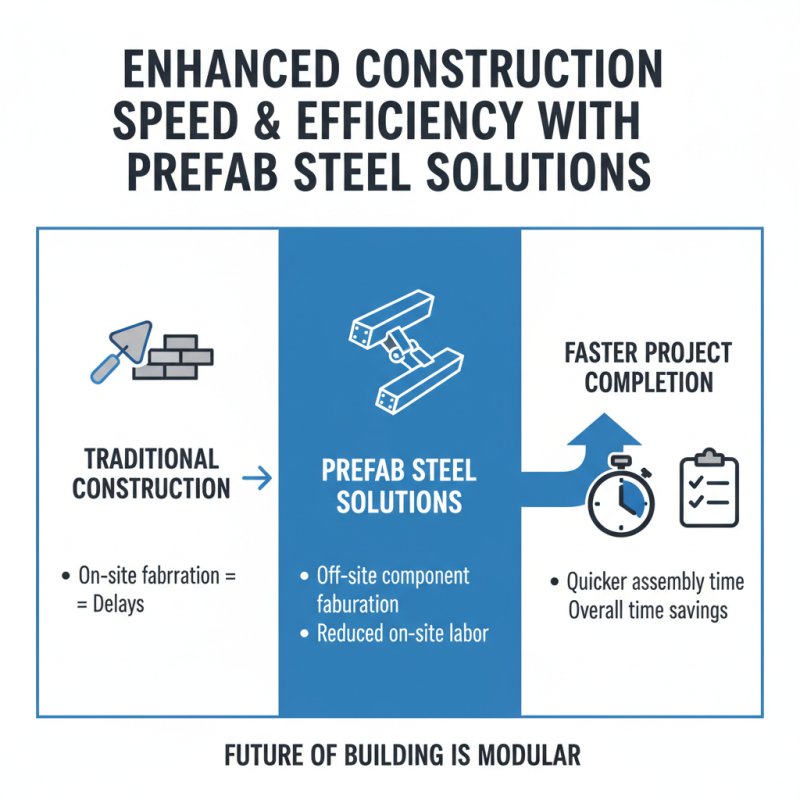
Enhanced Construction Speed and Efficiency with Prefab Steel Solutions
The construction industry is evolving rapidly, and prefabricated steel structures are at the forefront of this change. These solutions allow for enhanced speed and efficiency. By fabricating components off-site, projects can significantly reduce delays commonly associated with on-site construction. Once the site is ready, assembling these prefabricated elements takes less time than traditional methods.
Steel structures offer precision and durability along with quick assembly. Each component is manufactured using advanced techniques, ensuring high quality. Workers can often complete these projects in a fraction of the time. However, the reliance on precise planning is crucial. Any miscalculation during the design phase can lead to costly delays during installation.
Prefab steel solutions are not without challenges. While the benefits are significant, coordination between the design and fabrication teams must be seamless. Miscommunication can hinder progress. Moreover, some projects may not fully capitalize on the time saved if planning is rushed. Balancing efficiency with thoroughness in the design phase is vital for successful implementation.
Cost-Effectiveness of Prefabricated Steel Structures in Building Projects
Prefabricated steel structures offer significant cost advantages in modern construction. According to the American Institute of Steel Construction, these structures can reduce overall project costs by up to 15-30%. This is primarily due to decreased labor hours and shorter construction timelines. When factories prefabricate components, the assembly on-site becomes much quicker and safer.
Additionally, project delays can be costly. A study by the National Institute of Standards and Technology noted that construction delays can incur expenses of approximately $1.5 billion annually in the U.S. By utilizing prefabricated steel, projects often finish ahead of schedule. Less time on-site means reduced labor costs and lower overhead.
However, it's essential to acknowledge potential drawbacks. Quality control remains a concern in some prefabricated components. While factories aim for precision, variations can occur. This aspect requires careful planning and inspection. For many builders, these risks can be mitigated through rigorous testing and selection of reliable manufacturers. That contributes to the cost-effectiveness of prefabricated steel, even when challenges arise.
Sustainability and Environmental Benefits of Steel Prefabrication
Prefabricated steel structures are gaining popularity in modern construction. Their sustainability and environmental benefits are significant. Using steel reduces waste, as components are made in controlled factories. This process ensures precision and minimizes excess material.
Unlike traditional methods, fewer resources are wasted during manufacturing.
One notable advantage of steel prefabrication is energy efficiency. Steel structures often have lower energy requirements during construction. Prefabrication shortens build times, which can reduce energy consumption onsite. This can lead to lower carbon footprints for projects.
When considering materials, choose steel with a high recycled content. This contributes to a more sustainable approach.
Embracing steel can create durability in buildings. Steel is resilient against pests and extreme weather. However, it's essential to remember that not all steel is created equal. Recycling practices can vary, and not every supplier prioritizes sustainability. Researching material sources is crucial. Always question the lifecycle of materials used in construction.
Design Flexibility and Customization Options in Prefabricated Steel Construction
Prefabricated steel structures are revolutionizing modern construction, particularly in design flexibility and customization. With modular components, architects can create unique designs tailored to specific needs. According to a report from the American Institute of Steel Construction, nearly 70% of architects value design adaptability provided by prefabricated systems. This flexibility helps in accommodating complex architectural features and rapid changes in client demands.
These structures offer various customization options, enabling a broad range of applications. Builders can mix and match materials, colors, and styles. Statistics show that projects using prefabricated steel can reduce construction time by up to 30%. This efficiency is crucial in today’s fast-paced construction market, where deadlines are tight.
Tips: Aim for a balanced approach in your design, considering both aesthetic appeal and functionality. Don't overlook how changing trends affect your project. Keep in mind that while prefabricated options provide speed, they may not suit every building type. A thoughtful assessment of the project’s goals will lead to more effective design choices.
Top Benefits of Using Prefabricated Steel Structures for Modern Construction
| Benefit |
Description |
Customization Options |
Design Flexibility |
| Speed of Construction |
Prefabricated steel structures can be assembled quickly on-site, significantly reducing construction time. |
Components can be manufactured to specific designs, accommodating unique architectural requirements. |
Allows for innovative designs that traditional materials may not support. |
| Cost-Effectiveness |
Reduced labor and time typically result in lower overall construction costs. |
Flexible pricing for various project scales and customizations. |
Adaptable to various design needs without excessive costs. |
| Durability |
Steel structures are resistant to common structural issues, such as termites and rot. |
Custom coatings and finishes enhance weather resistance and aesthetics. |
Versatile design elements can be incorporated to improve safety and functionality. |
| Sustainability |
Utilizing recyclable materials and efficient factory processes reduces environmental impact. |
Designs can be tailored for energy efficiency and reduced waste. |
Flexible layout options allow for sustainable design practices. |
| Safety |
On-site assembly of prefabricated units minimizes risk and enhances safety. |
Customization options ensure compliance with safety standards. |
Modular designs promote secure and safe configurations. |