Top 10 Benefits of Using Submerged Arc Welding Wire in Industrial Applications?
Submerged Arc Welding Wire is a vital component in modern industrial applications. This welding method offers unique advantages for heavy-duty projects. Industries like shipbuilding and construction rely on it for efficiency and strength.
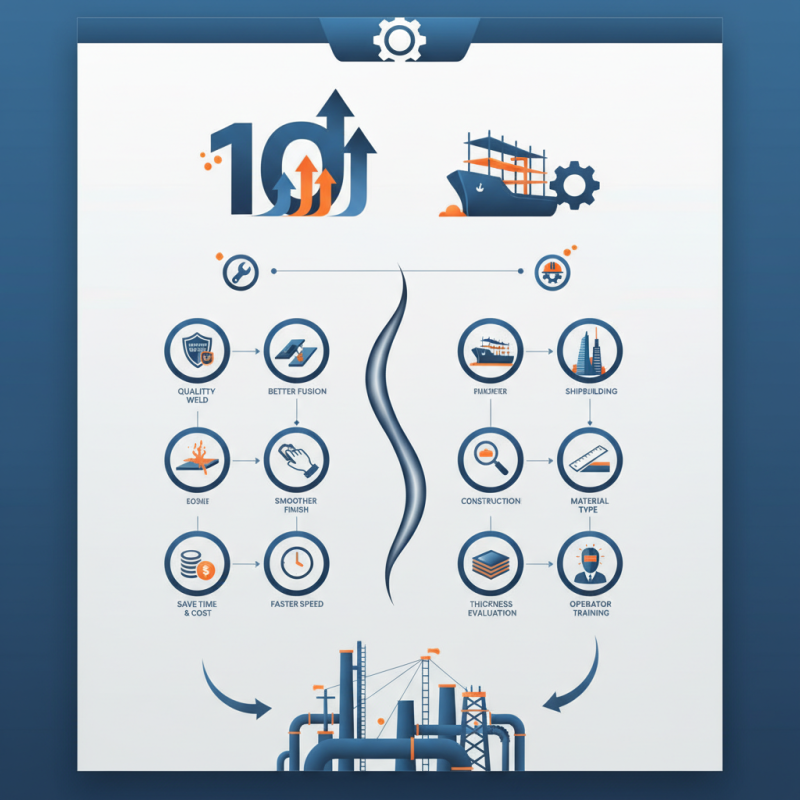
One key benefit of Submerged Arc Welding Wire is its ability to produce high-quality welds. The process reduces spatter and offers better fusion of materials. It ensures a smoother finish, which can improve the overall aesthetics of a product. Another important aspect is the enhanced productivity. This method allows for faster welding speeds. As a result, projects can be completed more quickly, saving both time and costs.
However, the choice of Submerged Arc Welding Wire requires careful consideration. Not every project may benefit from this method. Factors such as material type and thickness should be evaluated. Ensuring compatibility is crucial to achieving desired outcomes. In some cases, less experienced operators might struggle with this process. Proper training is essential for maximizing its benefits. Recognizing these nuances can lead to better decision-making in industrial applications.
Key Advantages of Submerged Arc Welding Wire in Industrial Settings
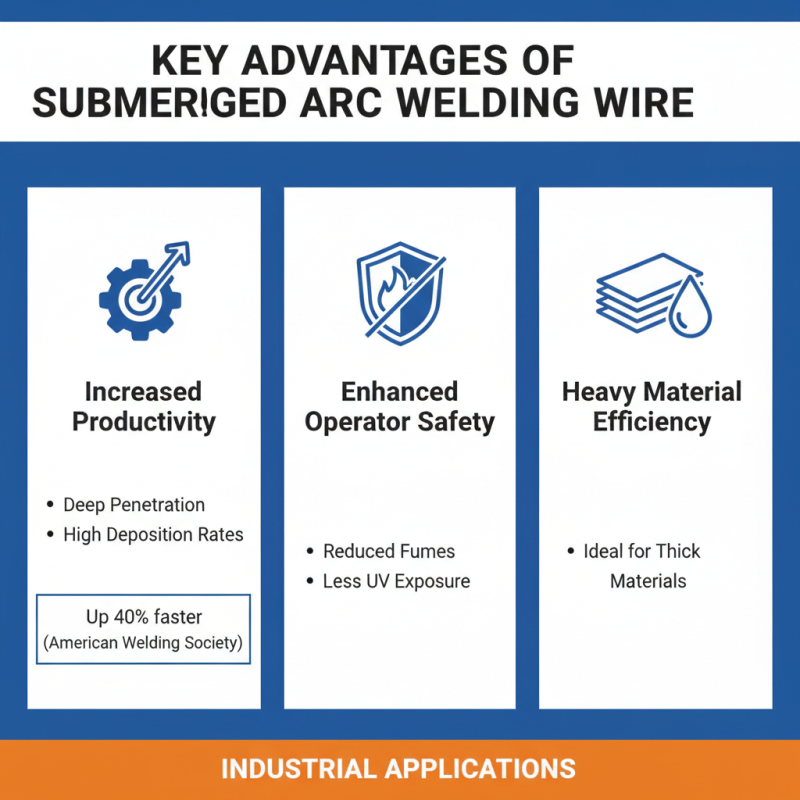
Submerged arc welding (SAW) wire offers several advantages in industrial applications. This process ensures deep penetration and high deposition rates, making it ideal for heavy materials. A report by the American Welding Society indicates that SAW can improve productivity by up to 40% compared to traditional methods. The reduced fumes and UV exposure enhance operator safety. This is a critical factor in maintaining a healthy working environment.
Apart from safety, the ability to produce high-quality welds with minimal distortion is significant. Studies have shown that submerged arc welding can achieve a lower level of rework, minimizing operational costs. Some reports estimate that proper use of SAW can decrease overall project expenses by around 30%. Choosing the right type of wire is essential for achieving these results.
Tips: Ensure that your welding parameters are correctly set. This step helps prevent defects. Regular training and updates on best practices can greatly enhance your team's effectiveness. Don't overlook the importance of environmental factors, as they can affect weld quality.
Enhanced Weld Quality: Consistency and Strength of Joints
Submerged arc welding (SAW) wire is crucial in industrial applications. Its ability to enhance weld quality is unmatched. This is primarily due to the consistent and strong joints created during the process. When using SAW wire, welds exhibit fewer imperfections. Additionally, the process reduces the risk of porosity and other defects. These factors contribute to superior joint integrity.
One key aspect of using submerged arc welding wire is its capability to maintain consistency. Skilled welders rely on this consistency to ensure high-quality production. It significantly reduces the number of reworks needed. Each weld can achieve impressive strength, which is essential in high-stress applications. The uniform heat distribution aids in creating reliable joints.
However, not every weld is perfect. Experience plays an important role. Welders must pay attention to variables like wire feed speed and arc length. Minor adjustments can lead to significant differences in weld quality. Continuous learning and adaptation are essential for ensuring that the process maximizes the strength of joints. With time and practice, welders can achieve even greater benefits from submerged arc welding wire.
Improved Efficiency: Speed and Productivity in Welding Processes
Submerged Arc Welding (SAW) wire significantly enhances welding efficiency. This method ensures a continuous and stable weld pool. The wire is fed automatically, allowing for higher speeds. Operators can achieve better penetration and fusion. This leads to reduced total time on complex projects.
The process minimizes spatter and cleanup, which often takes precious time. Workers can produce cleaner welds, which translates to fewer defects. The result is a more productive workspace. Submerged arc welding promotes a smooth workflow, but not all applications benefit equally. Some industries may struggle with the initial setup and require more training.
It's crucial to invest in the right training and equipment. Inadequate understanding can lead to inefficiencies. Understanding the limitations and necessary precautions can prevent mishaps. Some employees may find the process initially challenging. Recognizing these hurdles can lead to improvement over time. Effective training can bridge these gaps, enhancing overall productivity.
Top 10 Benefits of Using Submerged Arc Welding Wire in Industrial Applications
This chart illustrates the significant benefits of using submerged arc welding wire in various industrial applications, highlighting improvements in efficiency, speed, and productivity compared to traditional welding methods.
Cost-Effectiveness: Reducing Material Waste and Labor Costs
Submerged arc welding (SAW) wire is gaining attention for its cost-effectiveness in industrial applications. Companies seek to cut expenses without sacrificing quality. A significant factor here is material waste reduction. Data indicates that using SAW can minimize material waste by up to 30%. This reduction allows companies to allocate resources more efficiently.
Labor costs also play a critical role. By automating the welding process, companies can reduce labor expenses by 20% or more. This automation enhances productivity and frees skilled workers for more complex tasks. Embracing advanced welding techniques leads to a more streamlined workflow.
Tips: Proper setup is crucial. Ensure that the welding machine is calibrated correctly for optimal performance. Regular maintenance of equipment can prevent costly downtimes. Training workers on efficient practices can further improve cost savings. Investing time in worker education pays off through higher quality and lower waste. The industry is witnessing a shift in thinking; focusing on improvement can yield substantial savings.
Versatility: Applications Across Diverse Industrial Sectors
Submerged arc welding (SAW) wire is a game changer in various industrial applications. Its versatility allows it to be used in shipbuilding, construction, and manufacturing. For instance, the thick layers of steel in shipbuilding require robust welding techniques. SAW wire is ideal for this. It provides deep penetration and minimal distortion. These qualities are crucial in creating strong joints.
In the construction sector, SAW wire aids in fabricating heavy structures. Skyscrapers and bridges benefit from the strength it offers. It can be utilized for both mild steel and more specialized alloys. However, while it excels in many areas, it is not without limitations. Not every project is suitable for SAW. For instance, it might not work well in tight spaces or for thin materials. This requires careful consideration by engineers when choosing welding methods.
Moreover, the process itself can be complex. It necessitates skilled operators and an understanding of the underlying principles. With improper use, projects may encounter issues like excessive spatter or poor joint quality. This highlights the importance of training and expertise in the field. Overall, while submerged arc welding wire provides significant advantages, it's essential to evaluate each application carefully.
Conclusion
Submerged Arc Welding Wire offers numerous advantages for industrial applications, making it a preferred choice among manufacturers. One key benefit is enhanced weld quality, which results in consistently strong joints that can withstand rigorous operational demands. This reliability in weld strength not only improves the overall integrity of fabricated structures but also enhances productivity in welding processes, as the method allows for faster operation and reduced downtime.
Additionally, Submerged Arc Welding Wire is cost-effective; it helps minimize material waste and lowers labor costs by streamlining workflow. Its versatility enables its use across various sectors, including heavy fabrication, construction, and shipbuilding, catering to diverse industrial needs. Furthermore, it contributes to a safer working environment by significantly reducing risks associated with welding operations, making it a valuable asset in modern industrial settings.