10 Best Pre Fabricated Metal Buildings for Your Next Project?
In recent years, the use of Pre Fabricated Metal Buildings has surged. This trend reflects a growing recognition of their benefits in various sectors, including agriculture, commercial, and industrial applications. According to a report by Zion Market Research, the global prefabricated building market is projected to reach $157.65 billion by 2024. This significant growth underscores the increasing demand for efficient and sustainable building solutions.
Pre Fabricated Metal Buildings offer exceptional durability and cost-effectiveness, often requiring less time and labor for construction. For instance, these structures can reduce construction time by up to 50%. However, choosing the right building is critical. Not all prefabricated metal buildings provide the same quality and performance. Ignoring factors like material grade, design flexibility, and local regulations may lead to costly mistakes or subpar outcomes.
Understanding your project needs is essential. Evaluating the unique characteristics of different options will help you avoid pitfalls. Assessing energy efficiency ratings and customization flexibility can lead to a more satisfactory building experience. The journey to find the perfect Pre Fabricated Metal Building involves meticulous planning and consideration of various variables. Investing time in research now can save significant resources later.
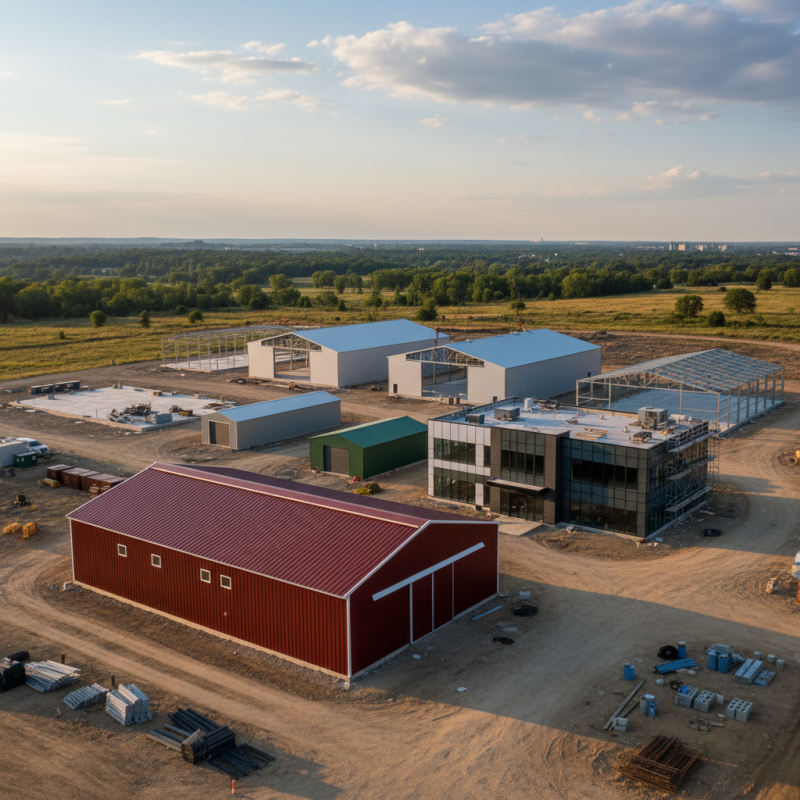
Overview of Prefabricated Metal Buildings and Their Advantages
Prefabricated metal buildings are increasingly popular for various commercial and residential projects. These structures are manufactured off-site and assembled on location. According to a recent industry report, the global prefabricated buildings market is projected to reach $157 billion by 2023. This rapid growth highlights the advantages of using metal buildings. They offer design flexibility and reduced construction time.
One of the key benefits of prefabricated metal buildings is their durability and longevity. These structures typically last longer than traditional buildings. A study by the National Institute of Standards and Technology found that metal buildings can withstand extreme weather conditions better than other materials. Furthermore, they require less maintenance. However, proper design and material selection are crucial. Often, projects face challenges in meeting specific local building codes or zoning laws.
Another advantage is cost efficiency. The fabrication process reduces labor and material waste, translating to lower costs. The Metal Building Manufacturers Association states that these buildings can save up to 30% in construction costs. Nevertheless, initial investments can be higher, which may deter some buyers. Additionally, insulation and energy efficiency can present challenges. Proper insulation is vital to minimize energy loss and maintain comfort.
Key Factors to Consider When Choosing Prefabricated Metal Buildings
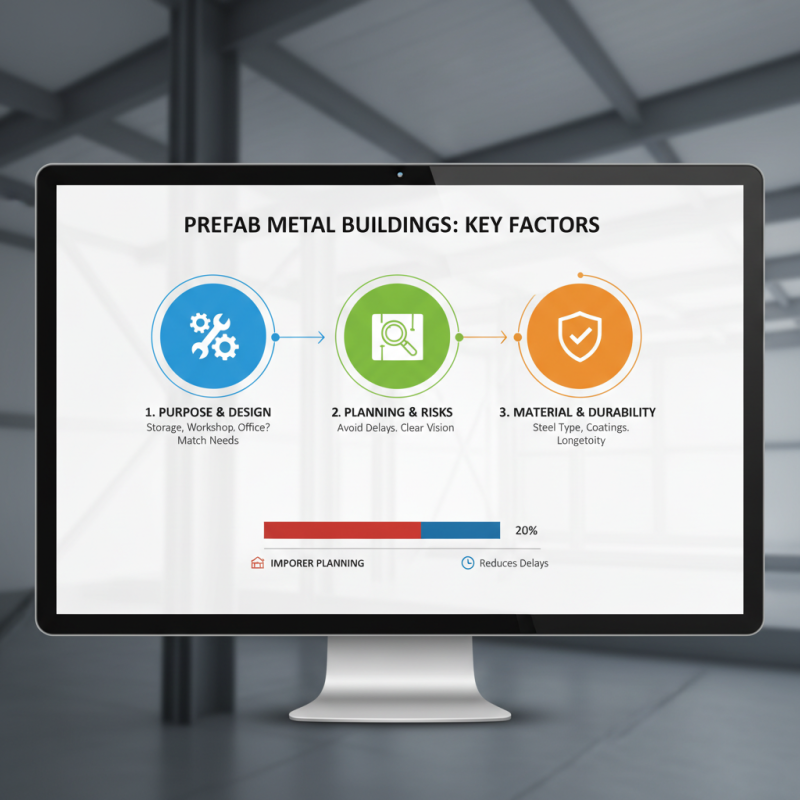
When selecting prefabricated metal buildings, several key factors come into play. Invest time in understanding the purpose of your structure. Whether it’s for storage, a workshop, or an office, the design should match your specific needs. Research shows that over 80% of construction projects face delays due to improper planning. A clear vision mitigates these risks.
Consider local building codes and zoning laws. Many regions have specific regulations. Compliance is not just essential; it can save you from costly fines. According to industry reports, nearly 30% of prefabricated structures fail to meet local regulations. Be prepared to adjust your plans accordingly.
Tips: Do not underestimate the importance of material quality. Steel thickness and coating quality affect durability and insulation. Look for buildings with warranties, as they reflect confidence in the product. Remember to assess your budget carefully. While initial costs can seem high, long-term savings often arise from lower maintenance and energy bills. Detailed comparisons will always serve you better than a quick glance.
Top 10 Prefabricated Metal Buildings for Various Project Needs
Prefabricated metal buildings are gaining traction in various sectors. Their versatility allows them to serve different purposes, from warehouses to workshops. A recent industry report highlighted that the demand for metal buildings will increase by 5.6% annually through 2025. This growth reflects their adaptability and cost-effectiveness.
One key aspect is their speed of construction. Prefabricated components can be assembled rapidly, reducing project timelines. Some projects report up to 50% less construction time compared to traditional buildings. This speed does not compromise quality. In fact, many metal buildings undergo stringent inspections, ensuring durability and safety standards.
However, challenges remain. Site preparation is crucial and often overlooked. Poor site conditions can lead to delays and unexpected costs. Additionally, while metal buildings offer longevity, they may require more insulation to manage temperature variances. Building codes also vary, and compliance can complicate the initial design. Understanding these factors is vital for successful implementation.
Comparative Analysis of Design Options in Prefabricated Metal Structures
When considering prefabricated metal buildings, it's imperative to evaluate various design options. Each design serves distinct purposes, whether for commercial, agricultural, or storage needs. High ceilings offer flexibility for large equipment, while open floor plans can enhance functionality. Recognizing these design features is crucial when planning your project.
**Tips:** Ensure the structure allows for future expansion. This adaptability can save costs and time if your needs change.
Metal buildings can be customized with insulation, windows, and doors. Insulation improves energy efficiency, while natural light can transform a workspace. Keep in mind that your geographic location influences material choices. Areas with extreme weather require sturdier options. Analyzing climate and potential risks should guide your design decisions.
**Tips:** Research local regulations. Compliance ensures safety and avoids future complications.
While prefabricated structures often feature speed in construction, project planning can misalign expectations. Be aware that not all designs are equally sustainable. Assessing the longevity and efficiency of materials will impact overall satisfaction. Embracing these complexities helps ensure a successful building project.
Comparative Analysis of Design Options in Prefabricated Metal Structures
Sustainability and Cost-Effectiveness of Prefabricated Metal Buildings
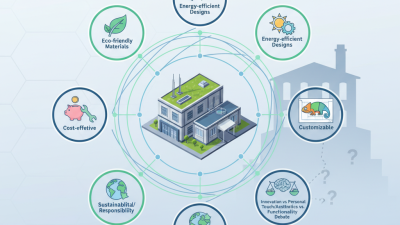
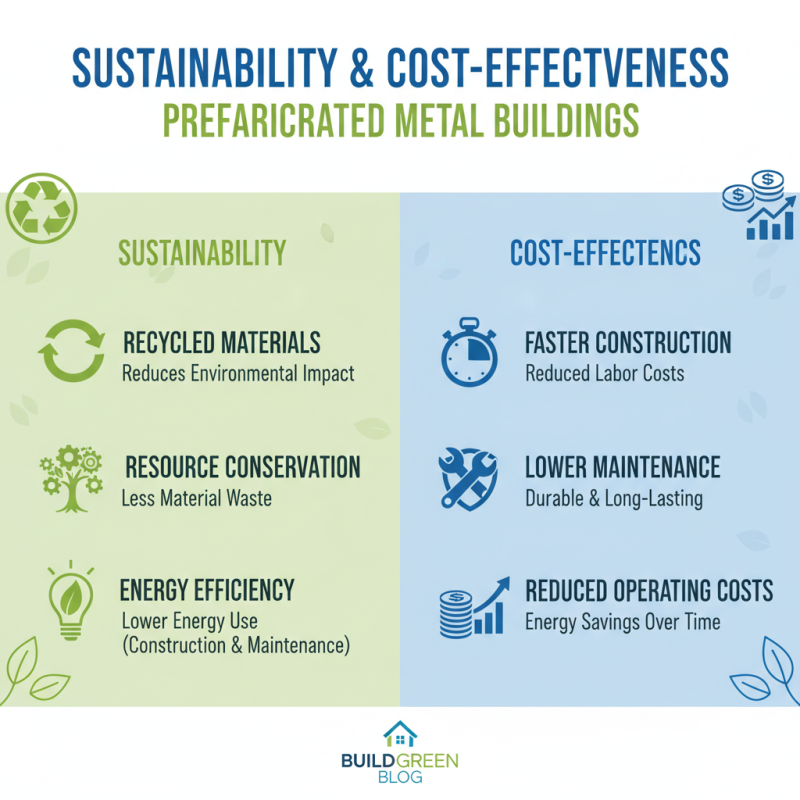
Prefabricated metal buildings have gained popularity due to their sustainability and cost-effectiveness. These structures are often made from recycled materials, which reduces environmental impact. Using metal helps conserve resources. Less energy is needed during construction and for maintaining these buildings.
Additionally, these buildings can significantly lower operational costs. They often have better insulation than traditional structures. This means lower heating and cooling expenses. While the initial investment may vary, long-term savings are apparent. However, buyers should carefully evaluate their specific needs. Choosing the wrong design can lead to inefficiencies.
It's important to consider the durability of prefabricated metal buildings. They withstand extreme weather conditions and require minimal repairs. Yet, not all options may suit every project. Some designs might not provide necessary flexibility for future expansions. Buyers should reflect on their long-term goals before making a purchase.