How to Build Steel Structure Buildings Efficiently and Effectively?
Steel Structure Buildings have gained significant traction in recent years, owing to their durability and sustainability. According to a report by the World Steel Association, steel construction represents nearly 50% of all new building projects globally. This surge aligns with industry efforts to address climate change. Steel structures are often more energy-efficient than traditional materials.
The construction efficiency also impacts project timelines. A study by McKinsey highlights that prefabricated steel components can reduce construction time by up to 30%. Efficiency isn't just about speed; it’s about smarter design. Leveraging advanced technologies can lead to better structural integrity. However, there are challenges to consider, such as fluctuating steel prices and supply chain issues.
Building Steel Structure Buildings effectively requires a balance of innovation and practical experience. While best practices exist, project managers must remain agile. They should adapt to changing conditions and continuously seek improvements. Successful implementation often reveals gaps in knowledge and areas for enhancement, reminding us that there is always room for growth in this dynamic field.

Understanding Steel Structure Buildings and Their Advantages
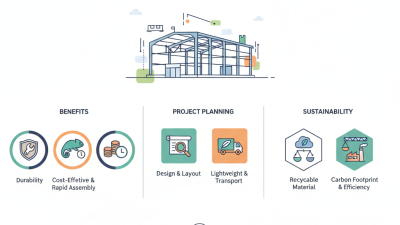
Steel structure buildings are gaining popularity for various reasons. One major advantage is their strength. Steel can withstand heavy loads and adverse weather conditions. This makes these buildings ideal for high-rise constructions and industrial facilities demanding durability. Additionally, steel structures are often quicker to erect than traditional buildings, saving valuable time and labor costs.
Another benefit is sustainability. Steel is recyclable, which enhances the overall eco-friendliness of construction projects. It reduces waste and lowers the carbon footprint. Many prefer steel construction due to precision manufacturing. Components are made off-site, ensuring high quality. This can lead to fewer mistakes and faster completion times.
However, not all is perfect. The initial costs can be higher than conventional materials. Proper design and planning are crucial to avoid potential issues during construction. Builders must also consider thermal properties, as steel can conduct heat efficiently. This might lead to higher energy costs if insulation isn't addressed correctly. Reflecting on these aspects ensures a balanced approach to utilizing steel structures effectively.
How to Build Steel Structure Buildings Efficiently and Effectively?
| Dimension |
Details |
| Material used |
High-quality steel |
| Advantages |
Durability, resistance to weather, and low maintenance |
| Typical applications |
Commercial buildings, warehouses, and industrial structures |
| Construction methods |
Modular construction, pre-engineered buildings, and traditional erecting |
| Environmental impact |
Recyclable materials and energy-efficient design |
| Cost-effectiveness |
Lower initial costs and long-term savings |
Key Materials and Tools for Efficient Steel Construction
When it comes to efficient steel construction, selecting the right materials and tools is crucial. Steel grades should be chosen based on the specific requirements of the project. For instance, consider using high-strength steel for structures requiring durability. This not only enhances longevity but also reduces the amount of steel needed. Additionally, composite materials can provide better thermal efficiency and insulation.
The importance of tools cannot be overstated. Advanced welding equipment ensures strong joints, minimizing the risk of structural failures. Cutting tools should be precise, ensuring clean edges for better assembly. It is essential to regularly inspect tools to maintain their reliability. Despite advancements, challenges remain. Training workers on new technologies may take time, and outdated methods can linger in practice.
Investing in quality scaffolding enhances safety during construction. However, it can be overlooked. Effective project management also plays a vital role in coordinating material delivery and tool usage. Planning should involve flexibility to adapt to unforeseen delays or issues. While many aspects are manageable, continual evaluation and adjustment are necessary for success.
Material Usage in Efficient Steel Structure Construction
This bar chart displays the estimated material usage in tons for various key materials used in efficient steel structure construction. Structural steel usage is the highest, followed by rebar, fasteners, insulation, and coatings. Understanding these metrics can help optimize resource allocation in construction projects.
Planning and Designing the Steel Structure: Best Practices
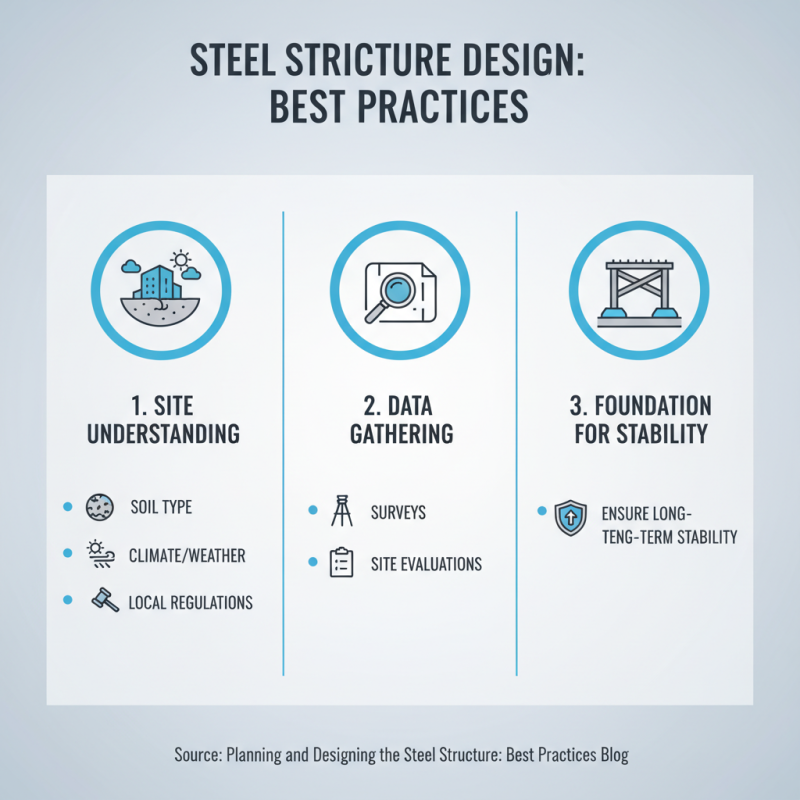
Planning and designing steel structure buildings requires a careful approach. Start by understanding the site conditions. Soil type, climate, and local regulations can influence your design decisions. Gather data through surveys and site evaluations. This foundational step is crucial for ensuring long-term stability.
Collaboration among architects and engineers is vital. Establish clear channels of communication. Regular meetings can address design challenges early. Listen to feedback from all stakeholders. Sometimes, ideas may clash, leading to construction delays. Embrace these discussions to refine your design. Acknowledging different perspectives strengthens the project.
Consider sustainability in your designs. Use materials that minimize environmental impact. However, balancing cost and ecology can be difficult. Strive for efficiency, but be prepared for trade-offs. Not every solution will maximize both budget and sustainability. Challenge yourself to explore innovative, efficient designs that may require outside expertise.
Construction Techniques for Fast and Effective Steel Erection
Efficient steel erection requires careful planning and skilled execution. Teams must assess site conditions before starting. Choosing the right materials is vital for structural integrity. Additionally, using advanced technology can streamline the process. Laser scanning helps in accurately aligning steel components for quick assembly.
Incorporating modular design can also enhance efficiency. Prefabricated steel components reduce on-site work. They allow quicker installation, yet coordination is key. Open communication among team members avoids mistakes. Regular safety checks can mitigate risks during lifting and placement.
Mistakes in measurements can lead to delays. A team must verify dimensions before any critical lifts. It's important to adapt to challenges on site. Sometimes, weather conditions hinder progress. Flexibility and innovation in problem-solving can make a difference. Continuous learning and feedback loops improve future projects.
Maintenance and Safety Considerations in Steel Structure Buildings
Maintaining steel structure buildings is critical for ensuring their longevity and safety. Regular inspections can catch issues early. Look for signs of rust or corrosion. These problems can compromise structural integrity. Schedule maintenance regularly to address these concerns promptly.
Safety is another vital aspect. Proper safety protocols during construction and maintenance are essential. Workers must be trained in handling steel components. They should understand the risks involved. Use protective gear at all times. It’s important to conduct safety drills. This prepares everyone for emergencies.
Planning is key for both maintenance and safety. Develop a detailed maintenance schedule. Consider weather conditions that might affect the structure. Regular updates to safety protocols can also help. Reflect on past incidents to improve future practices. Learning from experience enhances overall safety and reliability.