What is Prefabricated Steel Buildings and How Do They Benefit You?
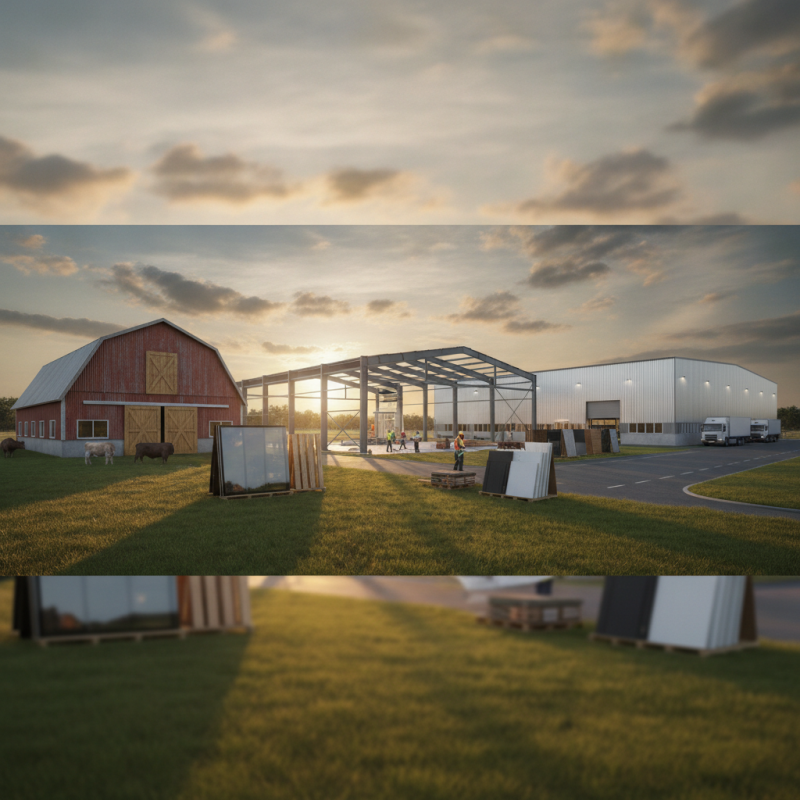
Prefabricated Steel Buildings are revolutionizing construction practices today. They combine efficiency with durability, offering numerous advantages for various applications. Farmers can use them for barns, while businesses utilize them for warehouses.
The design process of Prefabricated Steel Buildings allows for customization. You can choose sizes, layouts, and finishes that fit specific needs. This flexibility can lead to cost savings over time. However, one must consider local building codes and regulations.
While the benefits are clear, some potential drawbacks need reflection. For instance, initial costs may be higher than traditional structures. Understanding both the advantages and limitations is crucial. Ultimately, Prefabricated Steel Buildings represent a modern solution to diverse construction needs.
Definition of Prefabricated Steel Buildings and Their Components
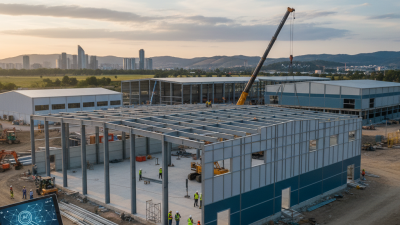
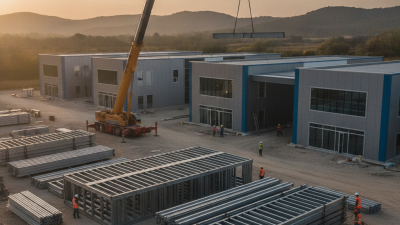
Prefabricated steel buildings are an innovative construction method that streamlines the building process. These structures consist of steel components manufactured off-site and then assembled on-site. This method allows for quicker construction times and reduces waste. According to a report by the National Institute of Standards and Technology, prefabricated buildings can reduce construction time by up to 50%.
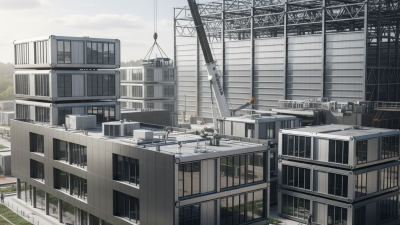
The main components of prefabricated steel buildings include steel columns, beams, and roof panels. These components are designed to be lightweight yet incredibly durable. Steel’s inherent strength ensures that the buildings can withstand severe weather conditions. Some studies show that steel structures have a lifespan exceeding 50 years, making them a reliable choice in construction.
While prefabricated steel buildings offer numerous advantages, they can come with challenges. Site preparation and foundation work require careful planning and must be done correctly to avoid structural issues. Some contractors may lack experience with prefabricated designs, leading to potential setbacks. Understanding these components and their requirements is essential for effective implementation.
What is Prefabricated Steel Buildings and How Do They Benefit You?
| Component |
Definition |
Benefits |
| Steel Frame |
A skeletal structure made of steel columns and beams. |
Strong and durable, can span large distances. |
| Roof Panels |
Prefabricated roofing materials that provide weather protection. |
Quick installation and excellent insulation properties. |
| Wall Panels |
Pre-made wall sections that can be quickly assembled on site. |
Reduces construction time and increases energy efficiency. |
| Foundation Systems |
Pre-fabricated bases that ensure stability and strength. |
Minimizes groundwork and speeds up the build process. |
| Interior Components |
Modular systems for walls, fixtures, and utilities. |
Allows for flexible designs and efficient use of space. |
Advantages of Prefabricated Steel Buildings Over Traditional Construction
Prefabricated steel buildings are changing the construction landscape. Compared to traditional methods, they offer impressive benefits.
One report from the Steel Construction Institute indicates that prefabrication can reduce construction time by up to 30%. This efficiency translates to savings on labor costs and quicker project turnaround.
These buildings are also highly durable. Prefabricated steel structures withstand harsh weather conditions better than wood or masonry. According to a study by the American Institute of Steel Construction, steel buildings have a lifespan that is 2-3 times longer. Such longevity implies lower maintenance costs over time.
Tip: When considering prefabricated options, ensure your chosen manufacturer adheres to strict quality standards. Red flags can include lack of certifications or unclear material sourcing.
Another advantage lies in sustainability. Steel is 100% recyclable, making it a greener choice. A report by the World Steel Association highlights that steel production has decreased greenhouse gas emissions by 40% over the past decade. Yet, buyers should scrutinize the entire supply chain to confirm eco-friendliness.
Tip: Always ask for environmental impact assessments. Understanding a building’s total carbon footprint can guide better choices.
Applications and Uses of Prefabricated Steel Buildings in Various Industries
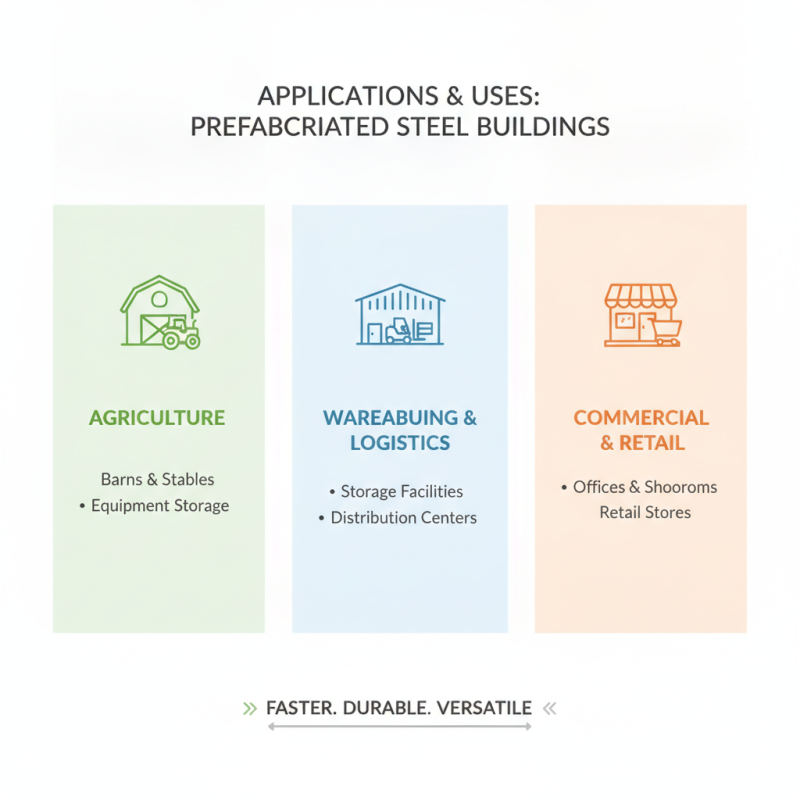
Prefabricated steel buildings are increasingly popular across diverse industries. These structures offer numerous benefits, including faster construction times and enhanced durability. Industries like agriculture, warehousing, and commercial use these buildings due to their versatility.
In agriculture, prefabricated steel structures serve as effective storage solutions for equipment and crops. According to the Steel Framing Alliance, steel buildings reduce construction costs by up to 20% compared to traditional building methods. This cost-effectiveness is vital for farmers managing tight budgets. Additionally, steel resists pests and decay, making it ideal for long-term storage.
In the warehousing sector, these buildings adapt easily to fluctuating needs. Reports from the National Institute of Standards and Technology highlight that steel structures can be repurposed without extensive renovations. This feature can save companies significant time and resources. However, companies must consider site-specific factors, like local regulations and environmental impacts. Each project requires thorough planning to optimize the benefits of prefabricated steel solutions.
Cost Efficiency and Time Savings in Prefabricated Steel Construction
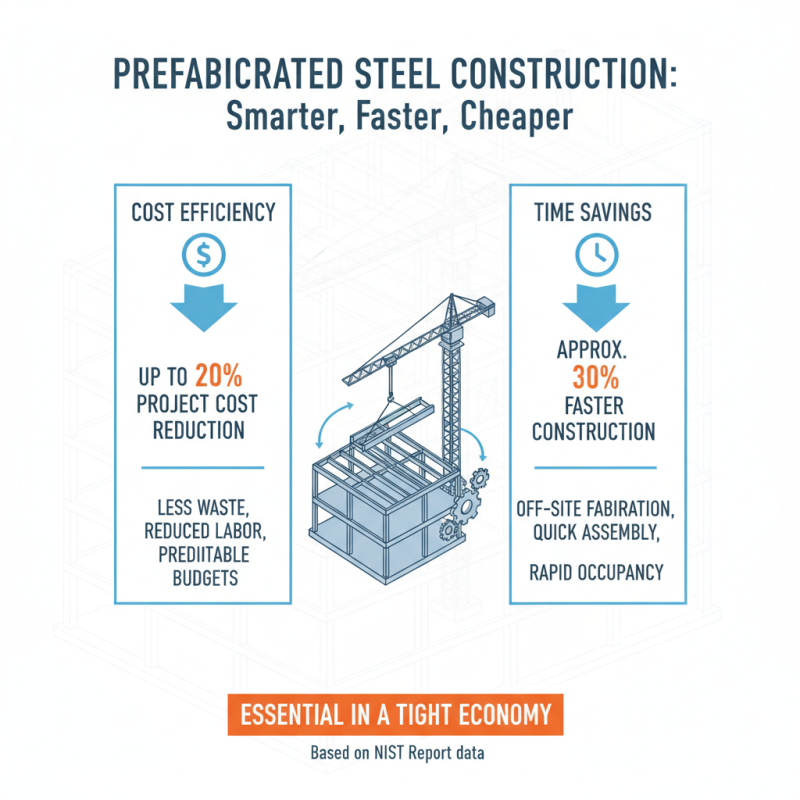
Prefabricated steel buildings are revolutionizing the construction industry. They offer significant cost efficiency and time savings, making them an attractive option for various projects. According to a report by the National Institute of Standards and Technology, prefabrication can save up to 20% on overall project costs and reduce construction time by about 30%. This is essential in a tight economy where overruns can strain budgets.
The process involves assembling components off-site, which minimizes labor costs. Since the materials are produced in a controlled environment, quality assurance improves. Furthermore, less waste is generated during production, which is crucial for sustainability efforts. A recent study indicates that prefabricated steel structures lead to waste reductions of about 50%.
Tip: Consider local regulations and zoning laws when planning your steel building project. They can affect cost and timelines.
Adaptability is another benefit. Prefabricated buildings can easily be modified or expanded as needs change. However, not all projects suit this approach. For unique designs or custom features, traditional methods may still be necessary.
Tip: Collaborate with experts to assess the suitability of prefabrication for your specific needs. Accurate planning ensures the best outcomes.
Environmental Impact and Sustainability of Prefabricated Steel Buildings
Prefabricated steel buildings have gained significant attention for their environmental benefits. According to a report by the World Steel Association, steel is recyclable. Approximately 85% of steel can be reused, minimizing waste. This characteristic is crucial in sustainable construction. Utilizing recycled steel reduces energy consumption significantly. In fact, it takes 75% less energy to produce recycled steel compared to new steel.
The construction phase of prefabricated buildings is also more efficient. Studies indicate that off-site construction can reduce waste by up to 30%. This means less debris in landfills and lower transportation emissions. Furthermore, these buildings often feature energy-efficient designs. Many designs incorporate insulation and reflectivity, reducing heating and cooling demands. This leads to lower operating costs over time.
However, challenges remain. The carbon footprint of steel production is significant. Even though recycling is beneficial, the initial processes still produce greenhouse gases. Therefore, ongoing innovations in steel manufacturing are essential. Companies must explore cleaner production methods. The balance between using steel and minimizing its environmental impact is an ongoing debate in the industry.