2026 Top Arc Welding Robot Trends You Need to Know?
As the demand for efficiency rises, the Arc Welding Robot industry is evolving rapidly. Experts like Dr. Robert Chen, a leading automation analyst, highlight, “Automation in welding is the future; it's about precision and reducing human error.” Understanding upcoming trends is crucial for businesses eager to stay competitive.
In 2026, new technologies will reshape arc welding. Increased integration of AI and machine learning will enhance robot capabilities. These advancements will drive productivity, making the welding process faster and more efficient. However, challenges remain. Companies must adapt to these changes while ensuring their workforce is trained accordingly.
Moreover, the industry faces concerns over the reliability of new technologies. While automation reduces costs, it demands constant maintenance. Businesses must weigh the benefits against potential hurdles in implementation. It’s a complex landscape, but understanding these trends is essential for success in the Arc Welding Robot market.
Latest Technological Advancements in Arc Welding Robots
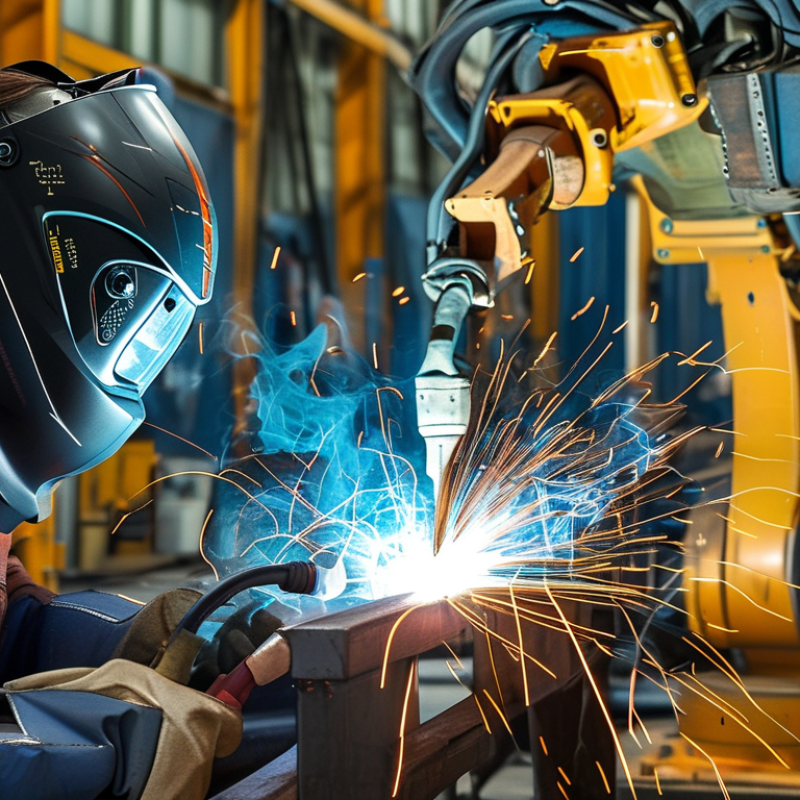
The landscape of arc welding robots is rapidly evolving. Recent advancements focus on enhanced precision and efficiency. Improved sensors now allow robots to adapt to varying materials. This capability leads to fewer errors and reduced waste. Manufacturers are increasingly embracing these innovations. The latest models can now learn from past projects, lending a level of adaptability unheard of before.
Automation in welding reduces labor costs significantly. However, the initial investment can be substantial. Companies must consider this carefully. Training and maintenance costs are also factors. Adopting advanced robots means keeping up with technological changes. Integrating these robots requires skilled operators. The industry faces a skills gap that cannot be ignored.
Moreover, real-time monitoring has gained popularity. Operators can track performance through intuitive software. This ensures that any issues are detected promptly. However, over-reliance on technology can lead to complacency. Understanding the underlying processes remains crucial. As welding robots become more integrated, the human element must not dwindle.
Evolving Applications of Arc Welding Robots in Various Industries
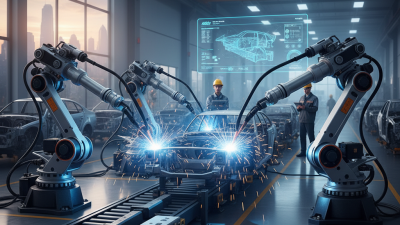
Arc welding robots are rapidly transforming various industries, demonstrating their evolving applications. In automotive manufacturing, these robots are key in welding chassis and frames. They offer precision and speed that human welders struggle to match. The use of advanced sensors helps ensure consistent quality. However, not all tasks are suitable for automation; some intricate designs still require human touch.
In construction and shipbuilding, arc welding robots are becoming essential. They enable the efficient welding of large structures while ensuring worker safety. The robots can operate in hazardous conditions that are unsafe for humans. Implementing this technology reduces labor costs, but the initial investment can be high. Companies must weigh these factors carefully.
In the energy sector, arc welding robots are crucial for pipeline construction and maintenance. They create strong, durable joints that withstand high pressures. However, the reliance on robots can lead to a skills gap in the workforce. This creates a need for ongoing training programs. As industries continue to innovate, the balance between automation and skilled labor remains a challenge.
Key Factors Driving the Adoption of Arc Welding Robots in 2026
The arc welding robot market is rapidly evolving. Several key factors are driving their adoption in 2026. First, the need for increased efficiency in manufacturing is paramount. Companies seek faster production rates while maintaining high-quality standards. Robot automation can significantly reduce cycle times, leading to cost savings.
Another essential factor is workforce shortages. Many industries face a lack of skilled labor. Arc welding robots can fill this gap, ensuring operations continue smoothly. In factories struggling to find qualified welders, robotics can be a viable solution. Companies are willing to invest in technology that mitigates this issue.
Moreover, advancements in technology boost reliability and performance. Newer models are more adaptable to various welding tasks. Yet, businesses should reflect on integration challenges. Transitioning from manual labor to robotics requires training and adjustments. Despite the advantages, some companies may hesitate due to upfront costs. Balancing these factors is crucial for successful implementation in the future.
2026 Top Arc Welding Robot Trends
Emerging Trends in Automation and AI Integration for Arc Welding Robots
The integration of automation and artificial intelligence in arc welding robots is reshaping the manufacturing landscape. A report from the International Federation of Robotics projects that the use of welding robots will increase by 30% annually through 2026. Companies are turning to these innovative technologies to enhance precision, reduce errors, and maximize productivity.
Automation allows for a more consistent quality in welds. Utilizing AI-driven systems, robots analyze data in real-time. This helps in adjusting parameters dynamically, resulting in better quality control. For instance, robots equipped with machine learning algorithms can adapt to variations in materials or conditions, ensuring optimal performance. Yet, there is a need for proper training for staff to interpret this data effectively.
Tips for businesses considering these technologies include starting small before full-scale implementation. Evaluate your production needs first. Another consideration is the ongoing maintenance of these systems, which can be more complex than traditional welding methods. Keeping human operators engaged with upskilling could enhance overall efficiency. Balancing technology with human expertise is crucial for success in this rapidly evolving field.
Future Challenges and Solutions in Arc Welding Robot Implementation
Arc welding robots are transforming manufacturing, but challenges persist. One major issue is the integration into existing workflows. Many companies struggle with retrofitting old systems. This legacy equipment may not communicate effectively with new robotic solutions. Compatibility issues can lead to delays and increased costs.
Training staff also poses a significant challenge. Knowledge gaps are common in robotics. Employees must learn to work with these machines. Proper training programs are essential for smooth implementation. However, finding the right balance between thorough training and production demands is often tricky. Too much downtime for training can disrupt operations.
Another concern is safety. Robots enhance productivity, but they also introduce risks. Unforeseen accidents can occur during operation. Ensuring proper safety protocols while maintaining efficiency is crucial. Companies must constantly evaluate and improve safety measures to prevent issues. Balancing productivity with safe practices will require ongoing attention and adjustment.