Top Benefits of Using an Arc Welding Robot in Manufacturing?
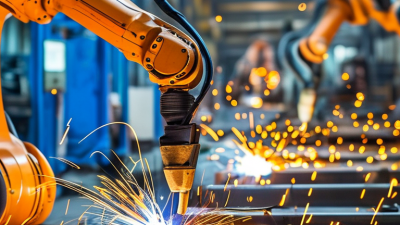
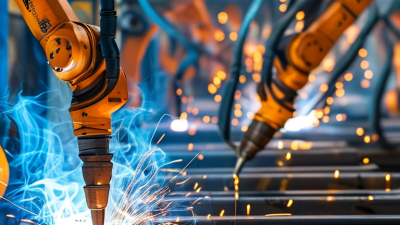
The manufacturing landscape is evolving rapidly. Companies are seeking efficiency and precision. An Arc Welding Robot plays a crucial role in this transformation. These robots automate welding processes, ensuring consistency and accuracy. This technology minimizes human error. A skilled operator may make mistakes due to fatigue; a robot does not tire.
Using an Arc Welding Robot enhances production speed. It works tirelessly, allowing for higher output rates. Moreover, robots can handle complex welds that require exact precision. Integrating this technology requires investment, but the long-term benefits can outweigh initial costs. Companies must assess their specific needs before deployment.
Additionally, while the reliability of Arc Welding Robots is high, challenges exist. Maintenance is essential to prevent downtime. Training staff to work alongside robots is vital, as human oversight is still necessary. Embracing robotic welding can lead to a more efficient future in manufacturing, but it requires careful consideration and planning.
Key Advantages of Arc Welding Robots in Modern Manufacturing
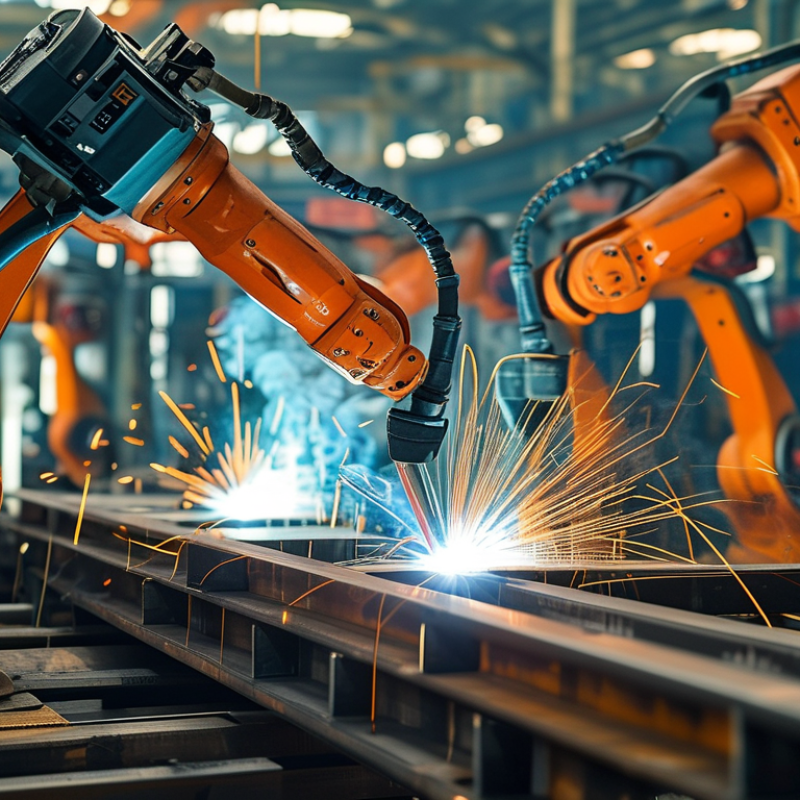
The modern manufacturing landscape is evolving. Arc welding robots are at the forefront of this change. Their precision and consistency vastly improve production quality. These robots ensure that welds are uniform and reliable, which reduces the risk of defects. Many manufacturers have reported decreases in rework due to this enhanced quality.
In addition to quality, efficiency stands out. Arc welding robots can operate continuously, increasing throughput. They can also handle complex shapes that human welders might find challenging. However, there can be a steep learning curve when integrating these systems into existing workflows. Training is essential to maximize their potential.
Safety is another benefit that cannot be overlooked. Welding can pose significant risks to human workers. Robots can take over dangerous tasks, allowing humans to focus on more intricate processes. Yet, there are concerns regarding the maintenance of these robots. Regular checks are needed to ensure they function optimally. This requires a dedicated team and additional resources.
Top Benefits of Using an Arc Welding Robot in Manufacturing
| Benefit |
Description |
Impact on Manufacturing |
| Increased Precision |
Arc welding robots deliver high levels of accuracy and repeatability in welding joints. |
Reduces errors and rework costs, improving overall product quality. |
| Increased Production Speed |
Robots can operate continuously and rapidly, increasing the throughput of production lines. |
Enhances productivity and reduces lead times for manufacturing. |
| Labor Cost Reduction |
Automation of welding processes minimizes the need for manual labor. |
Lowers operational costs and allows workforce reallocation to more skilled tasks. |
| Enhanced Safety |
Robots operate in potentially hazardous environments, protecting human workers from injuries. |
Promotes workplace safety and reduces liability for accidents. |
| Flexibility and Versatility |
Arc welding robots can be programmed for various welding tasks and materials. |
Enables adaptability to changing production requirements and product designs. |
| Lower Operating Expenses |
Reduced waste and consistent welding processes lead to lower operational expenses. |
Improves the bottom line and sustainability of manufacturing operations. |
Improved Precision and Consistency in Welding Processes
Arc welding robots bring remarkable precision to manufacturing processes. They execute welding tasks with superior accuracy, reducing the risk of defects. Unlike manual welding, robotic systems maintain consistent parameters throughout the welding operation. This ensures uniformity in weld quality. An arc welding robot can replicate the same movement repeatedly, eliminating human error, which often arises from fatigue or inexperience.
However, integrating robots in welding processes isn't without challenges. Initial setup can require a steep learning curve for operators. Additionally, some intricate tasks might still require human intervention. Perfecting the programming for various welding tasks demands ongoing adjustments. It’s also vital to ensure that the robot operates safely within the workspace to avoid accidents.
Despite these reflections, the benefits generally outweigh the drawbacks. Achieving higher precision not only boosts product quality but also enhances productivity. Manufacturers can respond to market demands more quickly with robots reliably delivering consistent results. The shift toward automation in welding heralds a new era in manufacturing efficiency and quality.
Enhanced Production Efficiency and Throughput Rate
Arc welding robots are transforming the manufacturing landscape, particularly in terms of production efficiency and throughput rates. According to a report by the International Federation of Robotics, companies that integrate automation, including arc welding robots, can see productivity increases of up to 30%. These robots operate consistently, reducing downtime and improving cycle times. They can weld at speeds unmatched by human workers, allowing manufacturers to meet higher demands quickly.
The precision of arc welding robots also plays a crucial role in enhancing throughput. A study from the Welding Research Council noted that the use of robotic systems decreases defect rates by about 40%. This reduction in defects not only boosts overall quality but also minimizes costly rework. Manufacturers can use these savings to reinvest in innovation or infrastructure. However, the initial costs of implementing robotics can be a hurdle. General estimates suggest that while upfront investment is significant, the long-term savings offset those costs by increasing overall factory efficiency.
Yet, not every implementation is flawless. Some companies report challenges in integrating robotic systems into existing workflows. Training staff to work alongside robots can be time-consuming and complex. Additionally, maintaining the equipment requires ongoing investment in skills and tools. Thus, while arc welding robots promise impressive benefits, a careful approach to implementation is necessary to ensure optimal results.
Reduction in Labor Costs and Safety Hazards
Manufacturers increasingly adopt arc welding robots to enhance efficiency and safety. One of the key advantages is the significant reduction in labor costs. Industry reports indicate that automating welding processes can cut labor costs by up to 30%. This dramatic decrease not only optimizes budgets but also allows skilled workers to focus on higher-level tasks.
Safety is another critical aspect. Traditional welding environments expose workers to hazardous conditions. Studies show that automated welding reduces workplace injuries by about 50%. With robots taking on the dangerous tasks, the risk of burns, electric shocks, and other injuries declines significantly. This shift not only protects workers but also positively impacts overall productivity and morale.
Tips to consider: Ensure robots are well-maintained and regularly updated to maximize their efficiency. Conduct training sessions for staff on safely interacting with welding robots. Validate that all safety standards are met to create a secure work environment. Effective implementation requires both commitment and reflection on potential challenges.
Flexibility and Versatility in Various Welding Applications
Arc welding robots are reshaping manufacturing with their flexibility and versatility. These machines adapt easily to various welding applications, making them invaluable in diverse industries. From automotive to aerospace, the ability to switch tasks rapidly enhances production efficiency. Robots can handle intricate designs, which can be challenging for human welders. This capability opens doors to innovative designs that were previously limited by human skill sets.
Tips: Evaluate your workflow. Understanding where automation fits can maximize productivity. Invest time in training your staff to work alongside robots. This helps in troubleshooting and optimizing processes.
The technology has its challenges. Not every task suits robotic welding. Complex geometries or unexpected material behaviors can lead to inconsistencies. It's critical to regularly assess the application fit. Continuous feedback loops between engineers and operators can refine processes and reduce errors. Balancing machine efficiency with human oversight ensures reliable outcomes while keeping your operation flexible.
Conclusion
The use of an Arc Welding Robot in modern manufacturing offers numerous benefits that enhance productivity and quality. One of the key advantages is the improved precision and consistency in welding processes, which significantly reduces defects and rework. This heightened accuracy leads to better product quality, meeting stringent industry standards.
Furthermore, Arc Welding Robots contribute to enhanced production efficiency and throughput rates, allowing manufacturers to meet increasing demands without compromising on quality. The automation of welding tasks also results in a reduction of labor costs and minimizes safety hazards, as robots can perform dangerous tasks in hazardous environments. Their flexibility and versatility enable them to adapt to various welding applications seamlessly. Lastly, the integration of Arc Welding Robots with Industry 4.0 and smart manufacturing solutions positions companies to leverage data and connectivity for optimal operational performance, driving innovation in the manufacturing sector.