Top 10 Best Submerged Arc Welding Wires for Quality Welding?
In the world of welding, selecting the right materials is crucial for success. Submerged Arc Welding Wire plays a key role in ensuring quality and efficiency. Dr. Robert Jensen, a noted expert in welding technology, once stated, "The choice of welding wire can make or break a project." His insight highlights the importance of quality materials in achieving optimal results.
As industries continue to evolve, the demand for high-quality Submerged Arc Welding Wire has grown significantly. This type of wire provides excellent penetration and faster deposition rates, making it suitable for various applications. However, not all wires are created equal. Some may offer better performance than others, which can lead to confusion when making a selection.
Understanding the characteristics of different wires is essential for effective welding. Factors such as alloy composition, diameter, and usability can greatly influence welding outcomes. There's always room for improvement. Reflecting on past choices can help welders make more informed decisions in the future. Choosing the right Submerged Arc Welding Wire is not just about following trends; it requires careful consideration of one’s specific welding needs.
Understanding Submerged Arc Welding (SAW): A Brief Overview
Submerged Arc Welding (SAW) is a unique welding process known for its efficiency and quality. It involves the use of a continuously fed electrode and a granular flux. The flux protects the weld pool from atmospheric contamination. This method is often preferred for heavy fabrication and thick materials due to its deep penetration. The absence of a shielding gas stream leads to reduced oxidation.
Weld quality can vary significantly with different welding wires. Selecting the right wire is crucial for achieving strong, durable welds. Factors like chemistry, diameter, and current type can influence performance. Notably, choosing the wrong wire might lead to defects. Welders often face challenges, such as porosity and incomplete fusion. Understanding these issues requires experience and a keen eye for details.
Regular practice is essential to mastering SAW. Mistakes are part of the learning process. Analyzing failed welds can offer insights into improvement. Each project presents unique challenges, making knowledge adaptation vital. Choosing the right submerged arc welding wire will support these efforts and enhance outcomes. Consideration of all parameters leads to refined skills and better results.
Top 10 Best Submerged Arc Welding Wires for Quality Welding
| Wire Type |
Diameter (mm) |
Composition |
Recommended Current (A) |
Applications |
| E71T-1 |
1.2 |
Mild Steel |
200-300 |
Structural Steel |
| E10018M |
1.6 |
High Strength Steel |
300-400 |
Heavy Fabrication |
| E308L |
1.2 |
Stainless Steel |
250-350 |
Food Processing Equipment |
| E6013 |
1.0 |
Mild Steel |
150-250 |
General Fabrication |
| E7018 |
1.6 |
Low Hydrogen |
250-350 |
Structural Welding |
| E70S-3 |
1.2 |
Mild Steel |
180-300 |
Automotive Welding |
| E316L |
1.2 |
Stainless Steel |
250-350 |
Chemical Processing |
| E70T-1 |
1.0 |
Mild Steel |
200-320 |
Shipbuilding |
| E71T-11 |
1.2 |
Flux-Cored |
200-350 |
General Fabrication |
| E490 |
1.6 |
High Strength |
300-450 |
Heavy Construction |
Key Features to Consider When Selecting Welding Wires for SAW
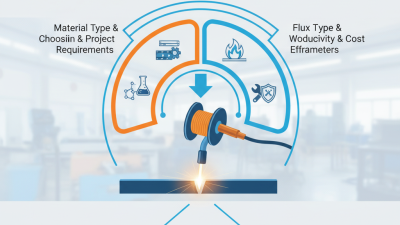
When selecting welding wires for submerged arc welding (SAW), various key features should be considered for optimal results. Wire diameter is crucial. A thinner wire provides better control, while thicker options deliver higher deposition rates. The chemical composition is also important. A wire with the right alloying elements can enhance the weld's mechanical properties. Always refer to your welding application's requirements for guidance.
Another factor is the flux type used with the wire. Flux affects the weld's appearance and quality. For instance, some fluxes improve the cleaning action, leading to better penetration. Additionally, welding wire packaging plays a role. Proper storage prevents moisture absorption, which can lead to defects in the weld. Consider the wire's usability and how it fits your welding equipment.
Reflecting on these aspects, it's easy to overlook the environmental factors. Humidity and temperature can affect the wire's performance. Regular checks on equipment and materials are necessary to maintain weld integrity. A failure to assess these details often leads to costly mistakes. Always be prepared to adapt and learn from your experiences in the welding process.
Top 10 Submerged Arc Welding Wires: Industry Ratings and Specifications
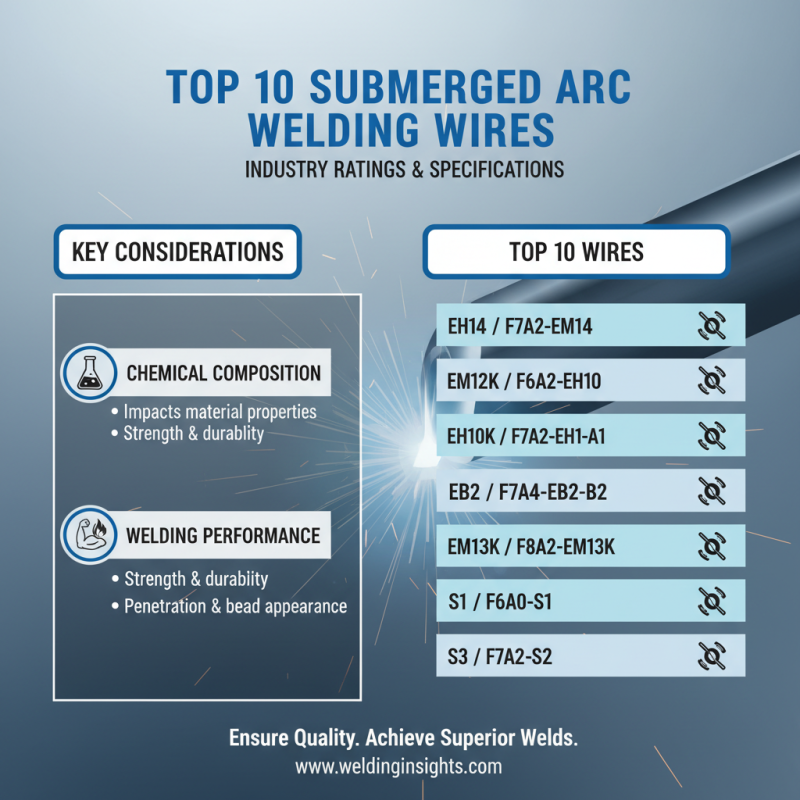
When selecting submerged arc welding wires, it's crucial to consider their specifications and industry ratings. Quality wiring can significantly impact the outcome of your welding projects. Pay attention to the chemical composition, tensile strength, and welding performance under various conditions. High-quality wires usually have excellent fluidity, which ensures better penetration and bead appearance.
**Tip:** Always match the wire diameter with the welding current and application type. This ensures optimal performance and minimizes defects.
Choosing the right welding wire requires understanding your specific needs. Factors such as base material, thickness, and operating environment play significant roles. Not all wires perform the same under varying conditions. Testing different options can lead to better results in your welding endeavors.
**Tip:** Keep an eye on user reviews and industry ratings. They can provide valuable insights into wire performance and reliability.
In addition, consider the wire’s usability. A good wire should not only create strong welds but also be easy to feed through the welding machine. An unwieldy wire can lead to unnecessary downtime. Balancing quality with ease of use is essential for efficiency. Your efforts in evaluating these criteria can enhance your overall welding experience.
Performance Comparison: Mechanical Properties of Top SAW Welding Wires
Choosing the right submerged arc welding (SAW) wire can significantly impact the quality of your welds. Mechanical properties such as tensile strength, elongation, and impact resistance are crucial. Different wires offer varying performance levels. Not all wires are equal, and understanding their properties is essential for achieving optimal results.
When comparing welding wires, consider the chemical composition. Elements like manganese and silicon can influence the weld's toughness and fluidity. Testing the wires in small samples can help in assessing their performance under specific conditions. Being meticulous in this area can save time and resources.
Tips for selection: always review the wire's certification. Ensure the wire meets industry standards for safety and quality. Additionally, be mindful of any specific environmental factors that may affect welding. Experimenting with different wires can provide valuable insights, but be prepared for trial and error. Adjust procedures and techniques accordingly to achieve the best outcomes.
Cost-Effectiveness: Evaluating Price vs. Quality in Welding Wires
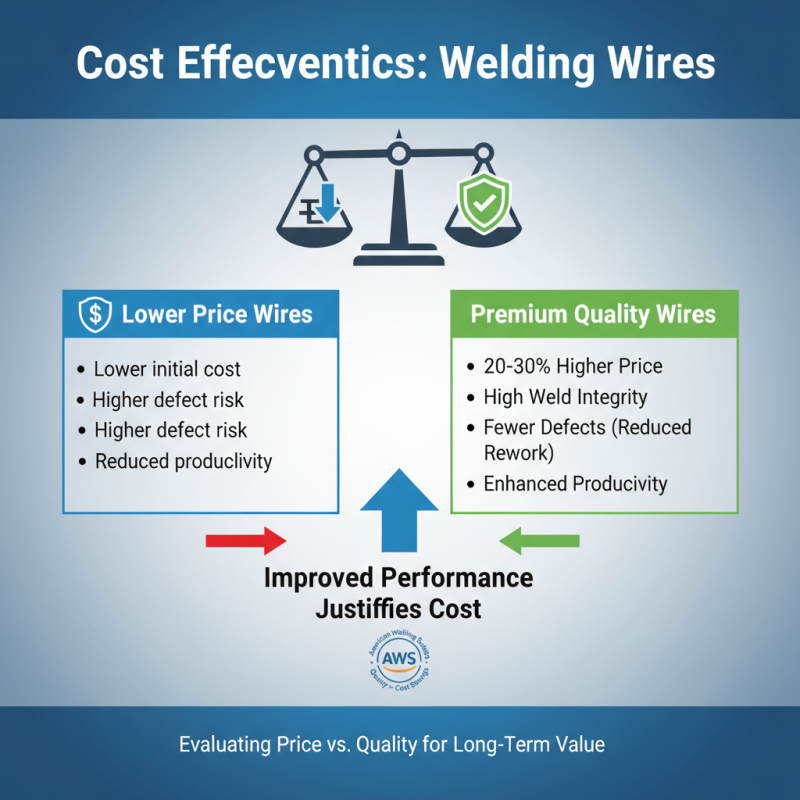
When evaluating submerged arc welding wires, the balance between cost and quality is critical. The American Welding Society highlights that achieving high weld integrity often comes at a higher price. The best wires, which enhance productivity and reduce defects, can cost 20% to 30% more than lower-quality options. However, this price difference is often justified by improved performance and fewer rework costs.
Many welding professionals report that cheaper wires can lead to inconsistent welds. These wires may exhibit issues like slag inclusion and poor penetration. Research indicates that over 40% of weld failures are linked to the use of substandard materials. While the upfront savings of low-cost welding wires are tempting, the long-term costs often exceed initial expenditures.
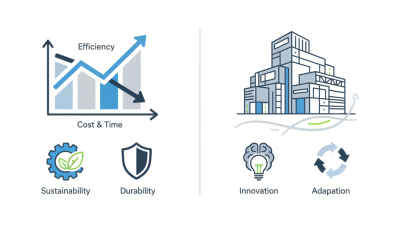
Investing in quality submerged arc welding wires can lead to better operational efficiency. For instance, using high-quality wires can increase deposition rates by up to 25%. This metric demonstrates a compelling reason to consider reliability over initial cost. Choosing wisely means weighing the upfront price against potential rework and wasted materials. This approach helps maintain a balance between fiscal responsibility and quality assurance in welding operations.