How to Choose the Right Pre Structured Building for Your Needs?
Choosing the right Pre Structured Building can be a daunting task. With numerous options available, understanding your specific needs is crucial. Each project has unique requirements that influence your decision. Factors such as size, purpose, and budget play significant roles.
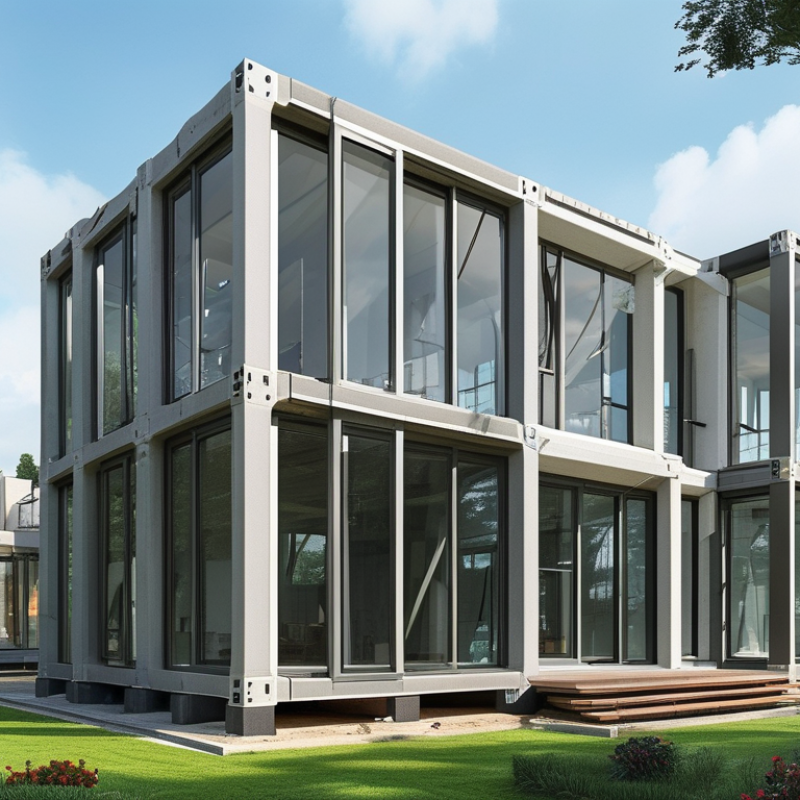
A Pre Structured Building offers convenience and speed in construction. However, not all structures are created equal. It's essential to evaluate the material quality and design flexibility. For commercial use, durability is key. For residential projects, aesthetics might take precedence.
Reflect on your goals before making a choice. Consider how the building will serve you in the long term. Will it adapt to future needs? Also, explore the reputation of suppliers. Reviews and case studies can provide insight into reliability. Ultimately, a thoughtful decision today leads to successful outcomes tomorrow.
Factors to Consider When Choosing a Pre Structured Building
When choosing a pre-structured building, several important factors come into play. First, determine your specific needs. Are you looking for a warehouse, an office, or a recreational space? According to industry reports, over 70% of businesses find that defining their purpose helps narrow down options. Space size is crucial. An average building can range from 1,000 to 10,000 square feet, depending on its intended use.
Budget considerations are critical. The average cost per square foot varies significantly, influenced by materials and design complexities. Some reports indicate that costs can range from $50 to $200 per square foot. This wide range necessitates careful budget planning. You should also assess the long-term value. Lower initial costs might seem appealing, but longevity and durability are vital for your investment.
Regulatory requirements can impact your choice. Not meeting local building codes can lead to costly delays. Approximately 30% of construction projects face setbacks due to permitting issues. Thus, consulting professional guidance can help mitigate risks. Another point to ponder is scalability. If your needs may change in the future, consider buildings that can be easily expanded or modified. Lack of flexibility can hinder growth opportunities.
How to Choose the Right Pre Structured Building for Your Needs?
| Factor |
Description |
Importance Level (1-5) |
| Budget |
Determine your overall budget for acquisition, installation, and maintenance. |
5 |
| Purpose |
Identify the intended use of the building (storage, office space, etc.). |
4 |
| Size |
Evaluate the required size based on usage calculations. |
5 |
| Design Flexibility |
Consider if you need custom designs or plans. |
3 |
| Location |
Assess the geographical and environmental conditions of the site. |
4 |
| Regulatory Compliance |
Ensure that the building meets local building codes and regulations. |
5 |
| Delivery Time |
Consider the lead time for production and delivery. |
4 |
| Durability |
Evaluate the materials used and their lifespan. |
5 |
Assessing Your Specific Space and Function Requirements
When choosing a pre-structured building, it's essential to assess your specific space and function needs. The right design influences not only usability but also efficiency. According to industry reports, 70% of users indicate that space efficiency directly impacts their operational success. Understanding your space requirements helps define the size and layout of your facility.
Consider the functions your building will serve. Will it be for storage, manufacturing, or multifaceted use? Each requirement demands a different approach. For instance, warehouses typically need high ceilings and wide door access, while offices require more enclosed spaces and amenities. Data shows that efficient layouts can enhance workflow by up to 15%, making it crucial to think ahead.
Reflect on your current and future needs. Flexibility is key in today’s rapidly changing market conditions. Reports reveal that 60% of businesses experience shifts in their operational demands over five years. Anticipating changes in functionality or workforce size can prevent costly modifications down the line. Take the time to create a detailed list of your requirements, ensuring that the chosen structure can adapt over time.
Evaluating Budget Constraints and Financing Options
When evaluating budget constraints and financing options for a pre-structured building, clarity is key. Start by determining a realistic budget. Consider not only the purchase price but also additional costs such as permits, land preparation, and utilities. These can add up quickly. Create a detailed budget sheet to visualize all potential expenses. This approach helps in identifying what you can truly afford.
Explore different financing options available for your project. Traditional bank loans are common but might not be the best fit. Alternative financing methods, like crowdfunding or specialized construction loans, could provide better terms. Look for lenders familiar with pre-structured buildings; their expertise can save you time and money.
It's also wise to remain flexible in your financing approach. Sometimes, the perfect building may exceed your budget. Reflect on whether it’s worth adjusting other expenditures or waiting for a better financial situation. Making hasty decisions can lead to regret later. Educate yourself continuously about market trends and financial strategies as they evolve.
Examining Material Options and Construction Techniques
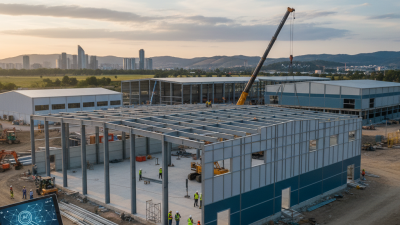
When selecting a pre-structured building, understanding material options is crucial. Steel is a popular choice due to its strength-to-weight ratio. According to the American Institute of Steel Construction, steel buildings can reduce project time by up to 33%. This efficiency leads to lower labor costs and quicker occupancy. However, consider the environmental impact of steel production, which contributes to approximately 6% of global CO2 emissions.
Wood, an alternative option, offers aesthetic and thermal benefits. Timber frame structures can provide natural insulation. However, they may face challenges like susceptibility to pests or moisture. The Forest Products Laboratory reports that treated wood can last up to 30 years in harsh conditions. Balancing aesthetics and durability is essential. A mix of materials can address these concerns effectively.
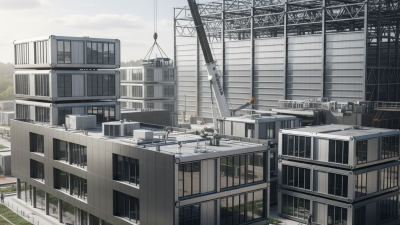
Construction techniques also play a pivotal role. Modular construction methods can speed up assembly by 50%. Yet, this approach requires precise planning and skilled labor. While modular buildings are efficient, they may lack the customizability some projects need. Consider potential limitations in initial planning stages to avoid costly adjustments later.
Understanding Local Regulations and Zoning Requirements
When choosing a pre-structured building, understanding local regulations and zoning requirements is crucial. Many regions have specific codes regarding building size, aesthetics, and usage. According to a report from the National Association of Home Builders, nearly 70% of zoning laws can impact construction processes significantly. This makes it essential to conduct thorough research before making a decision.
Checking the local zoning map should be your first step. This map will outline what types of structures are allowed in your area. It's also important to review local building codes. These codes ensure safety and may affect how you design and operate your building. Sometimes, what you envision might not align with these regulations.
Tip: Consult with local officials. They can provide guidance and help navigate complex regulations. Understanding the nuances of these requirements can save both time and resources.
Engaging a local expert can be beneficial. They can assist in interpreting zoning bylaws and spotting potential issues early in the process. The right expert can simplify compliance, making the overall building experience smoother and more reliable.