2026 Top Prefabricated Steel Structures for Global Buyers?
Prefabricated Steel Structures have become a pivotal solution for modern construction needs. As experts like Dr. Emily Carter, a leading architect in sustainable design, stated, "Prefabricated Steel Structures provide speed and efficiency in building without compromising quality." This sentiment reflects the growing demand for innovative building methods.
In recent years, the market for Prefabricated Steel Structures has expanded rapidly. These structures offer resilience against various environmental factors. Their versatility allows customization for diverse applications. Many global buyers seek these materials for both residential and commercial projects. However, challenges still remain. Not all buyers are aware of the long-term benefits associated with steel prefabrication.
Observing this industry trend can be enlightening. There is much to learn about material selection and construction practices. Yet, navigating this space requires careful consideration. Every project is unique, and what works for one may not work for another. Understanding the nuances of Prefabricated Steel Structures will ultimately shape the future of construction.
Key Advantages of Prefabricated Steel Structures in 2026
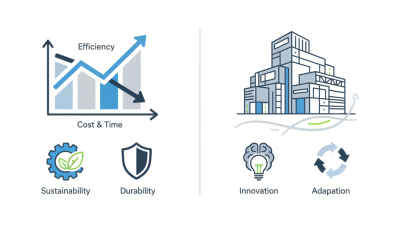
Prefabricated steel structures are gaining significant attention in 2026. Their advantages resonate loudly in the construction industry. According to a recent report by the Global Steel Alliance, the prefabrication market is projected to grow by 15% annually. This growth highlights the efficiency and durability of these structures compared to traditional methods.
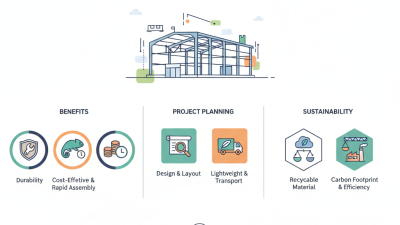
One key advantage is reduced construction time. Prefabricated components are manufactured off-site and assembled on-site. Reports indicate that this can cut project timelines by up to 50%. Additionally, these structures offer excellent sustainability benefits. They contribute to lower carbon footprints by minimizing waste during production. It’s also worth noting that prefabricated steel can withstand harsh weather conditions, making it suitable for various environments.
Tips: When considering prefabricated steel, analyze the specific needs of your project. Measure the cost-effectiveness in terms of both budget and timeline. Ensure to consult with a qualified engineer to maximize structural integrity. Remember, while prefabrication offers many benefits, it’s crucial to evaluate potential design limitations. Taking these factors into account will help in making more informed decisions.
Trends Driving Global Demand for Prefabricated Steel Buildings
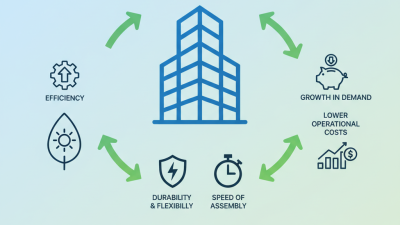
The demand for prefabricated steel buildings is surging globally. A recent industry report predicts a growth rate of 7.5% annually through 2026. This increase is driven by several trends. Urbanization is one major factor. As cities expand, the need for quick, durable construction rises. Prefabricated steel structures meet these demands efficiently.
Another driving force is sustainability. Prefabricated buildings often utilize recycled materials. This helps reduce carbon footprints. In fact, according to a report by the World Green Building Council, these structures can cut waste by up to 60%. Buyers increasingly prioritize eco-friendly options in construction. This shift aligns with global efforts for sustainable development.
Cost efficiency also plays a key role. Prefabricated steel buildings allow for reduced labor and material costs. Reports indicate that projects using these methods can finish 30% faster compared to traditional construction. However, reliance on a limited number of suppliers can create vulnerabilities. Buyers must reflect on their sourcing strategies and consider potential disruptions in the supply chain.
2026 Top Prefabricated Steel Structures for Global Buyers
| Structure Type |
Global Demand (Units) |
Growth Rate (%) |
Key Regions |
| Industrial Building |
150,000 |
8% |
North America, Asia |
| Commercial Building |
120,000 |
10% |
Europe, Asia |
| Residential Building |
90,000 |
7% |
Asia, South America |
| Transportation Building |
70,000 |
9% |
North America, Europe |
| Institutional Building |
60,000 |
6% |
Asia, Africa |
Top Manufacturers of Prefabricated Steel Structures Worldwide
The global market for prefabricated steel structures is witnessing remarkable growth. According to recent industry studies, the market is expected to reach $31 billion by 2026. This growth can be attributed to the rising demand for sustainable construction solutions and rapid urbanization. Countries are increasingly turning to prefabricated steel for its efficiency and reduced construction time.
Key manufacturers are pivotal in shaping this industry. They focus on innovation and sustainability. Many prioritize eco-friendly materials and production processes. Data shows that over 25% of steel structures in residential projects utilize recycled materials. This aligns with the global push for greener building practices. Regional leaders in manufacturing are optimizing supply chains to enhance efficiency further.
Tips: Consider the total lifecycle cost of prefabricated steel structures. Often, initial savings can be misleading. Quality should always factor into your choices. Additionally, stay updated with the latest trends in design and technology. The industry evolves quickly, and understanding these shifts can provide a competitive edge. Ensure you consult reliable sources to make informed decisions.
Sustainability and Innovation in 2026 Prefabricated Steel Industry
Sustainability is a critical focus in the prefabricated steel industry for 2026. Reports indicate that the market for prefabricated steel structures is expected to reach $145 billion by 2026, with a compound annual growth rate (CAGR) of 7.5%. This growth is driven by a growing emphasis on eco-friendly construction practices. Steel structures are increasingly recognized for their recyclability and lower carbon footprint.
Innovations in material science play a crucial role in enhancing sustainability. Advanced steel alloys and new coating technologies improve durability and reduce maintenance needs. An increase in automated production processes also contributes to a more efficient use of resources. For instance, studies show that automation can reduce material waste by up to 30%. However, not all companies are adopting these innovations. Some continue to rely on outdated methods, which can hinder overall progress in sustainability.
Moreover, while many industry players emphasize eco-friendly practices, transparency remains an issue. Not all prefabricated steel structures provide complete lifecycle assessments. This lack of clarity makes it difficult for buyers to make informed decisions. As the market evolves, the need for standardized sustainability benchmarks becomes more urgent. Buyers must demand reliable information to ensure their investments align with their sustainability goals.
Cost Comparisons: Prefabricated Steel vs. Traditional Construction Methods
Prefabricated steel structures are gaining traction in the construction industry. They offer a modern alternative to traditional methods, especially in terms of cost and efficiency. According to a report by the Structural Steel Association, prefabricated solutions can reduce construction costs by 10% to 20%. These savings stem from shorter construction times and less labor on-site.
Traditional construction methods often involve extended timelines and higher labor costs, which can inflate project budgets. In contrast, prefabricated steel components are manufactured off-site and transported to the construction location. This streamlined approach reduces waste and ensures consistency in quality. A study from McKinsey highlights that modular construction techniques can lead to project completion times up to 50% faster than conventional methods.
Tip: When considering a project, analyze the potential time savings. Shorter project durations often lead to lower financing costs.
Despite the advantages, there are challenges. Prefabricated structures can require significant upfront planning and design work. The success of a project depends heavily on collaboration between architects and manufacturers. As such, engaging experienced partners can mitigate risks and improve the overall outcome.
Tip: Conduct thorough evaluations of contractors’ past projects. Look for proven expertise in prefabricated construction.