Top 10 Benefits of Pre Fabricated Metal Buildings?
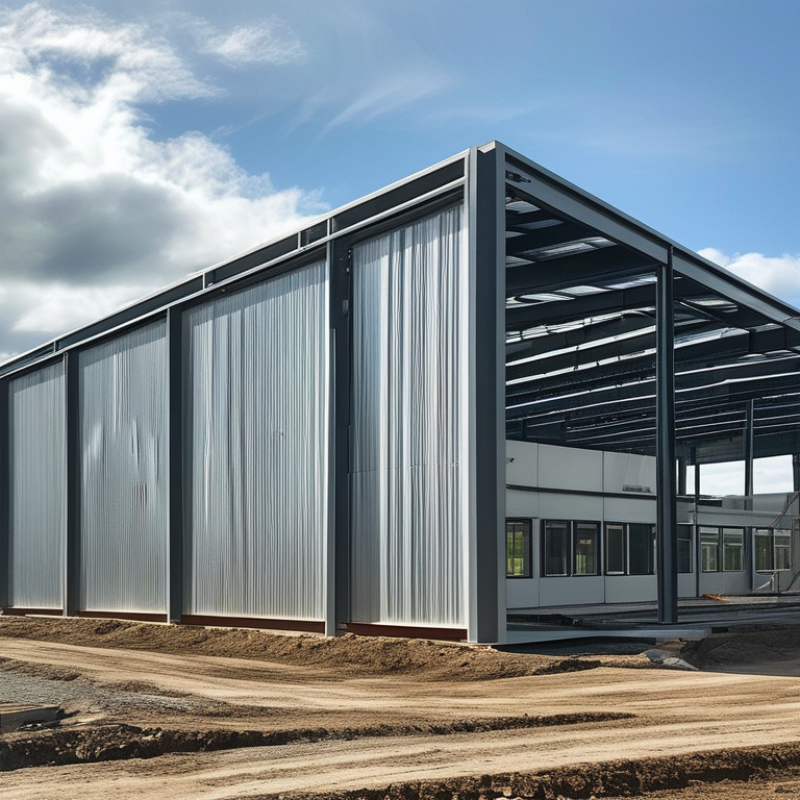
In the evolving landscape of construction, Pre Fabricated Metal Buildings have become a game-changer. Experts like Dr. Emily Carter, a leading architect in sustainable structures, emphasize their significance. She states, “Pre Fabricated Metal Buildings are not only efficient but also environmentally friendly.”
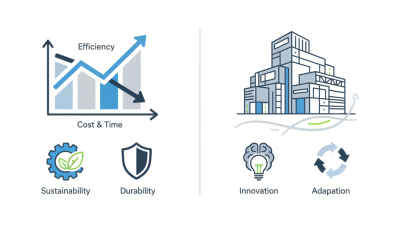
These buildings offer a unique blend of durability and versatility. They adapt to various uses, from warehouses to homes. The manufacturing process reduces waste, showcasing a commitment to sustainability. As metal structures rise, businesses find cost savings and reduced labor times.
However, challenges remain. Understanding local building codes is essential. Adaptation to changing climates can also be complex. Despite these hurdles, the benefits often outweigh the downsides. Pre Fabricated Metal Buildings remain a robust option for modern construction.
Benefits of Pre-Fabricated Metal Buildings for Commercial Use
Pre-fabricated metal buildings are becoming popular for commercial use. They offer quick construction times, reducing the wait for businesses to start operations. These structures are often completed in a fraction of the time compared to traditional buildings. This speed can lead to significant cost savings on labor and materials.
In addition to efficiency, these buildings are highly durable. Metal is resistant to pests, mold, and fire, which leads to lower maintenance costs over time. They are also designed to withstand harsh weather conditions. This resilience adds to their appeal for business owners looking for longevity. However, choosing the right design and layout can pose challenges, requiring careful planning to avoid future issues.
Energy efficiency is another benefit. Many pre-fabricated metal buildings come with insulation options. This helps regulate interior temperatures, cutting down on energy expenses. Some structures may still require updates for optimal insulation. Thus, while the benefits are clear, attention must be paid to specific design features and materials to maximize efficiency.
Durability and Longevity of Pre-Fabricated Metal Structures
Pre-fabricated metal buildings are gaining popularity for their durability and longevity. These structures can withstand extreme weather conditions, making them ideal for various applications. According to a report by the Metal Building Manufacturers Association, metal buildings have a lifespan that can exceed 50 years. This longevity not only reduces replacement costs but also minimizes environmental impact.
The resistance to pests, rot, and mold is another advantage of pre-fabricated metal structures. Unlike traditional wood buildings, metal does not attract insects, ensuring your investment remains intact over time. Regular maintenance is simple, often requiring just a wash with soap and water. Nevertheless, periodic inspections are essential to catch any issues early.
**Tip:** Consider a professional inspection every few years. This proactive approach suggests longevity without major repairs.
Moreover, metal buildings offer energy efficiency. Their reflective surfaces help reduce cooling costs in hot climates. The Department of Energy reports that proper insulation in metal structures can lead to energy savings of 30% or more. While many factors influence this, optimizing insulation might require some thought and strategic choices.
**Tip:** Explore different insulation options to enhance energy savings. Always research best practices for installation to ensure maximum efficiency.
Top 10 Benefits of Pre Fabricated Metal Buildings
| Benefit |
Description |
Longevity (Years) |
| Durability |
Resistant to extreme weather, pests, and fire. |
50+ |
| Cost-Effective |
Lower maintenance and insurance costs compared to traditional buildings. |
40+ |
| Quick Construction |
Faster assembly with pre-fabricated components. |
30+ |
| Sustainability |
Recyclable materials reduce environmental impact. |
40+ |
| Flexibility |
Easily customizable designs and expandable layouts. |
50+ |
| Energy Efficiency |
Insulation options help reduce energy costs. |
40+ |
| Aesthetic Appeal |
Modern designs can enhance visual appeal. |
35+ |
| Safety |
Non-combustible properties increase safety for occupants. |
50+ |
| Versatility |
Suitable for various applications, from warehouses to schools. |
40+ |
| Low Upkeep |
Minimal maintenance requirements prolong lifespan. |
45+ |
Cost-Efficiency of Pre-Fabricated Metal Building Solutions
Pre-fabricated metal buildings are gaining popularity for their cost efficiency. A recent industry report highlights that these structures can reduce construction costs by 30% to 50% compared to traditional methods. This significant savings is primarily due to faster assembly times and reduced labor expenses. Moreover, prefabricated metal buildings allow for bulk purchasing of materials, resulting in further financial benefits.
One key aspect of cost efficiency is the lower maintenance required for metal structures. Metal is resistant to common issues like rot, pests, and extreme weather damage. This translates to lower long-term operational costs. According to the Metal Building Manufacturers Association, on average, maintenance costs for metal buildings are 20% lower than those for wood or conventional buildings.
Tip: Always assess local regulations and zoning laws before making construction decisions.
While there are many benefits, it's important to consider potential drawbacks. Not every project may suit a pre-fabricated approach. Customization options can be limited, depending on the manufacturer’s offerings. Additionally, transportation costs for materials can fluctuate, impacting overall budgeting. Thus, planning and research are vital to ensure pre-fabricated metal buildings meet specific needs and conditions.
Tip: Consult industry experts when evaluating options to ensure the best choice is made.
Rapid Construction and Reduced Labor Time for Metal Buildings
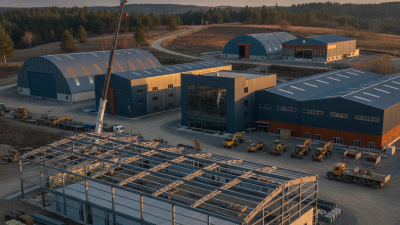
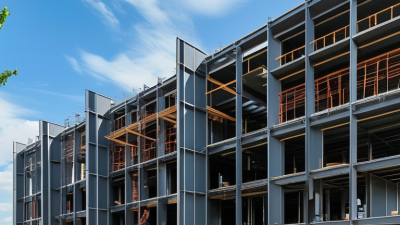
Pre-fabricated metal buildings are transforming construction practices. One significant advantage is rapid construction. Unlike traditional buildings, these structures are manufactured off-site and assembled on location. This approach minimizes the time from concept to completion. Builders can save weeks, if not months, depending on the project size.
Additionally, reduced labor time is another benefit. Fewer workers are needed, as many components are pre-cut and pre-fitted. This can lead to significant savings in labor costs. However, it's crucial to ensure that skilled workers are available for assembly. Poor assembly can lead to long-term issues. Attention to detail during installation is essential for quality and durability.
Moreover, using pre-fabricated methods can reduce construction waste. Many projects produce less debris than traditional builds. This focus on efficiency helps the environment. Yet, the dependency on precise measurements cannot be overlooked. Incorrect specifications can cause delays and complications. Thus, while these structures offer substantial benefits, careful planning remains vital for success.
Energy Efficiency and Sustainability in Pre-Fabricated Metal Designs
Prefabricated metal buildings have gained recognition for their energy efficiency and sustainability. These structures are designed with materials that reflect heat. This helps reduce energy consumption for cooling. Prefabricated metal designs significantly lower the need for additional heating and cooling systems. They utilize advanced insulation methods that enhance climate control within the building.
Sustainability is a vital aspect of modern construction. Prefabricated metal buildings often use recycled materials. This reduces the demand for new resources and minimizes environmental impact. Additionally, these buildings can be constructed faster than traditional ones. This leads to a shortened construction timeline, which can decrease the carbon footprint associated with building waste.
Despite these advantages, challenges persist. Fully understanding how to maximize energy efficiency in these buildings requires ongoing research. Sometimes, designers may overlook critical factors in the insulation process. Ensuring optimal energy performance takes constant evaluation and improvement. Acknowledging these complexities may help lead to better energy strategies in future projects.