inquiry
Leave Your Message

Top 10 Benefits of Prefabricated Steel Buildings for Modern Construction?

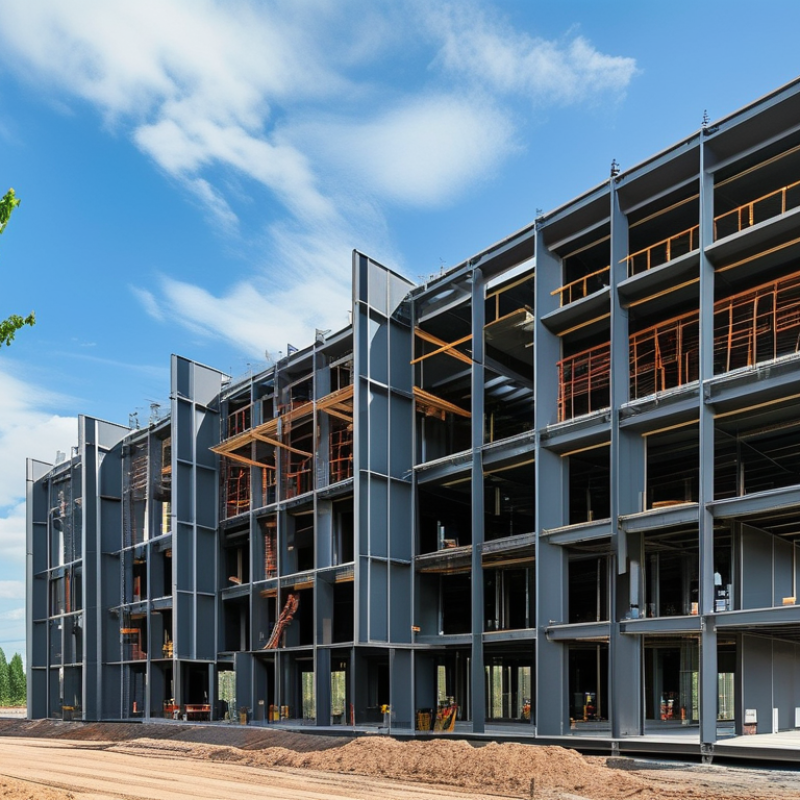
Prefabricated Steel Buildings are revolutionizing modern construction. These structures offer numerous benefits, making them a popular choice for builders and developers. They combine efficiency, durability, and cost-effectiveness, responding to the growing demand for innovative building solutions.

One major advantage is the speed of installation. Prefabricated components can be manufactured in a factory and assembled on-site quickly. This reduces the overall construction timeline. Additionally, these buildings often incur lower labor costs due to simplified assembly processes. The adaptability of prefabricated steel designs allows for customization, catering to specific project needs.

Despite these advantages, challenges exist. Not all builders are familiar with prefabricated methods, which can lead to implementation issues. Knowledge and experience play vital roles in ensuring success. Addressing these challenges is essential for tapping into the full potential of Prefabricated Steel Buildings in modern construction.
Top 10 Benefits of Prefabricated Steel Buildings for Modern Construction?

Advantages of Prefabricated Steel Buildings in Construction Efficiency

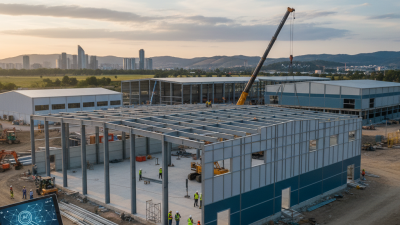
Prefabricated steel buildings are transforming modern construction efficiency. These structures are not only quick to assemble but also durable. A recent report from the American Institute of Steel Construction highlights that using prefabricated components can reduce construction timelines by 30% to 50%. This efficiency minimizes labor costs and project delays.

One key aspect is the precision of prefabrication. Components are manufactured in a controlled environment, ensuring high quality and reducing waste. According to a study by the Steel Construction Institute, up to 20% less material is wasted when using prefabricated steel compared to traditional methods. This contributes to sustainability and cost-effectiveness.

Tip: Consider factors like local climate and building codes before choosing a prefabricated steel option.

However, not everything is perfect. Some projects may face challenges related to transportation and site access. Large prefabricated elements can be difficult to move and install in tight urban spaces. It's essential to plan thoroughly for these logistics.

Tip: Engage with a construction expert to understand site-specific challenges.

Incorporating prefabricated steel buildings can lead to significant benefits in efficiency. As the industry evolves, understanding these advantages becomes increasingly important.
Cost Savings: How Prefabricated Steel Reduces Construction Expenses

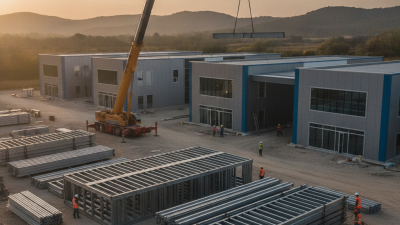
Prefabricated steel buildings are gaining traction in modern construction primarily due to their cost-saving advantages. A report by the American Institute of Steel Construction shows that using prefabricated steel can reduce overall construction costs by up to 25%. This significant reduction is largely attributed to decreased labor costs and shorter construction timelines. Fast-tracking projects leads to lower overhead, making prefabricated options more appealing.

In addition to saving on labor, prefabricated steel structures are designed for efficiency. Many components are manufactured off-site, allowing for precise engineering and quality control. This method minimizes waste and the risk of errors during assembly. The National Institute of Standards and Technology states that modular construction can cut waste by 5-10%. These statistics indicate a strong potential for companies to save money while promoting sustainability.

However, it is essential to consider potential challenges. The initial investment in prefabricated materials can be higher than traditional methods. Yet, the long-term savings often offset this upfront cost. Additionally, not all projects are suitable for prefabricated solutions, which can limit their application. Striking a balance between cost efficiency and project suitability remains a crucial point for builders to reflect on.

Top 10 Benefits of Prefabricated Steel Buildings for Modern Construction

Design Flexibility: Customization Options for Prefabricated Steel Structures

Customization options play a vital role in prefabricated steel structures. Designers and builders can create unique spaces that reflect specific needs. These buildings can accommodate diverse requirements, from residential homes to large warehouses. With various configurations, sizes, and styles available, creating a tailored solution becomes easier.


Moreover, the versatility of steel allows for innovative designs. Curved roofs, expansive open spaces, and multi-level features are all possible. This design flexibility encourages creativity while maintaining structural integrity. However, it's essential to consider site conditions and potential zoning regulations. Some designs may face challenges that require adjustments during the planning process.


Furthermore, pre-engineered modules can often lead to quicker project completion. When customization is coupled with efficient manufacturing, the timeline for construction can be significantly reduced. Still, unforeseen changes during the actual construction phase may cause delays. Balancing aesthetic aspirations with practical considerations remains a critical factor in successful prefabricated steel buildings.

Sustainability and Environmental Benefits of Steel Construction

Prefabricated steel buildings are gaining popularity for their sustainability and environmental benefits. Steel is highly recyclable, with about 90% of scrap steel being reused. This reduces waste and conserves natural resources. According to a report by the American Institute of Steel Construction, using steel can lower energy costs by up to 25% when compared to traditional building materials. This energy efficiency is essential in today's construction landscape.

One significant aspect is the reduction of carbon emissions. Steel structures can be fabricated off-site, minimizing on-site waste. A study from the World Steel Association estimates that steel buildings can reduce carbon footprints by 30% during construction projects. Additionally, they often require less energy for heating and cooling, contributing to long-term sustainability.

Tips: Consider conducting an energy audit early in the design phase. This helps identify potential savings. Also, choosing steel components that are locally sourced can further reduce transportation emissions. Lastly, even though prefabricated steel buildings are more energy-efficient, it's crucial to examine insulation and sustainable practices. Reflect on how these choices can enhance overall project sustainability.

Top 10 Benefits of Prefabricated Steel Buildings for Modern Construction

Benefit Description Sustainability Impact
Rapid Construction Prefabricated steel buildings can be assembled quickly onsite, reducing overall construction time. Less construction time reduces energy consumption during building processes.
Cost Efficiency Lower labor costs and reduced material waste contribute to overall savings. Efficient use of materials promotes sustainability through waste reduction.
Durability Steel structures are resistant to many environmental factors, providing long-lasting buildings. Long lifespan of materials reduces the need for replacements and repairs.
Versatility Can be designed for various purposes, from warehouses to office spaces. Flexible designs can adapt to changing environmental and functionality needs.
Reduced Waste Prefabricated components minimize waste generated during construction. Less waste contributes to lower impact on landfills and the environment.
Energy Efficiency Better insulation and airtight designs reduce energy costs for heating and cooling. Lower energy consumption contributes to a reduced carbon footprint.
Fire Resistance Steel is inherently fire-resistant, increasing safety for occupants. Improved safety standards help reduce risks associated with fire damage.
Low Maintenance Steel buildings require less maintenance compared to traditional structures. Less maintenance leads to reduced use of resources over time.
Recyclability Steel is 100% recyclable, making it a sustainable building material choice. Promotes circular economy practices in construction.
Compliance with Standards Prefabricated buildings can meet modern building codes and energy standards more easily. Helps in adhering to sustainability regulations and standards.

Rapid Assembly and Reduced Building Time with Prefabricated Steel

Prefabricated steel buildings are revolutionizing modern construction. One major advantage is rapid assembly. Compared to traditional on-site construction, prefabricated steel frames can be erected in a fraction of the time. Research from the Steel Construction Institute indicates that prefabricated elements can reduce building time by up to 50%. This time savings translates to lower labor costs and faster project completion.

Another benefit is the flexibility in design. Steel structures allow for larger spans, which can accommodate various layouts. This adaptability meets the unique needs of different projects, from commercial spaces to residential buildings. However, it is worth noting that while prefabrication increases efficiency, there can be a learning curve for teams unfamiliar with modular construction techniques. Proper training is essential to maximize benefits.

Moreover, reduced waste is a significant factor. According to the National Institute of Steel Detailing, using prefabricated components can lower material waste by around 30%. This reduction contributes to sustainability efforts within the industry. Nevertheless, miscalculations in prefabrication measurements can lead to delays, highlighting the need for meticulous planning and communication.