China Best Pre Fabricated Metal Buildings for Your Next Project?
Pre Fabricated Metal Buildings have gained significant traction in the construction industry. According to a recent Markets and Markets report, the global prefabricated building market is projected to grow from USD 112.5 billion in 2021 to USD 260.4 billion by 2028, reflecting a CAGR of 12.5%. This growth is fueled by the increasing demand for efficient and sustainable construction practices.
China leads in the production of prefabricated metal buildings, providing a variety of structural solutions. These buildings offer remarkable benefits, including reduced construction time and lower labor costs. However, potential buyers should note the varying quality levels and performance standards among manufacturers. It’s essential to conduct thorough research to avoid pitfalls.
Shortcomings exist in the current market. Some prefabricated models may lack customization options, leading to dissatisfaction among users. Engaging with industry experts can provide valuable insights. It’s crucial to weigh both the advantages and challenges when considering Pre Fabricated Metal Buildings for your next project.
China's Leading Manufacturers of Prefabricated Metal Buildings
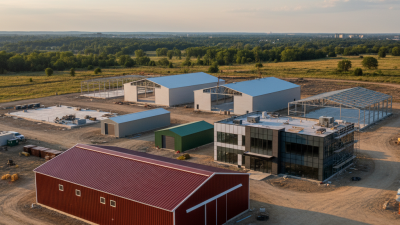
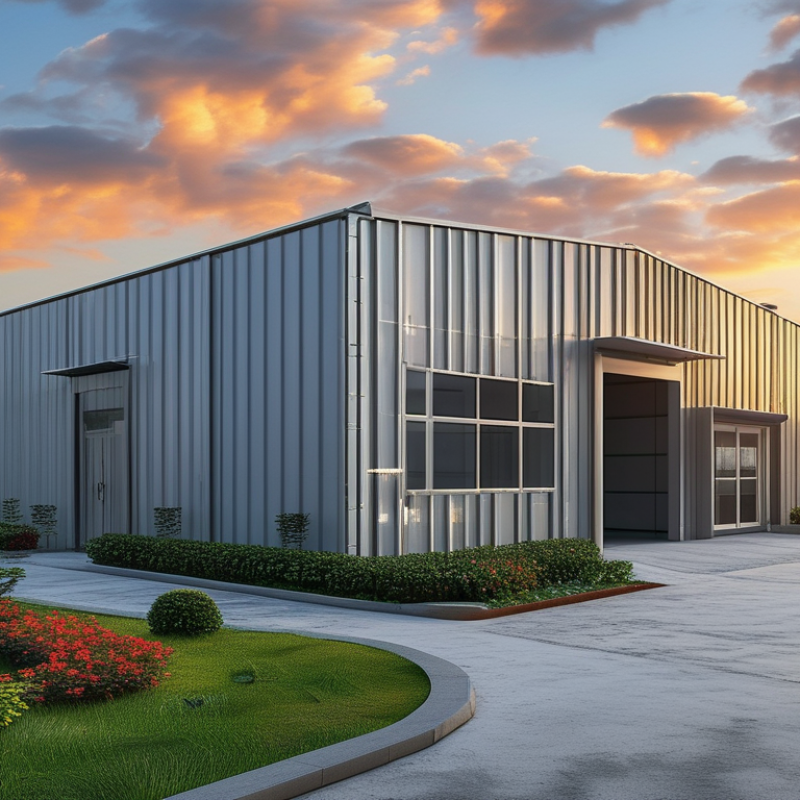
China's leading manufacturers of prefabricated metal buildings are driving innovation in construction. These companies prioritize efficiency and sustainability. They utilize advanced techniques to produce high-quality structures. With extensive expertise in the field, they meet diverse client needs. This expertise translates into timely project delivery.
Manufacturers are embracing cutting-edge technology in fabrication. This includes robotics and advanced software. While they often achieve impressive results, challenges remain. Supply chain issues can delay projects. Quality control is another area needing improvement. Manufacturers strive to reduce waste while maintaining standards.
These companies also prioritize customer relationships. They offer personalized service to understand specific project requirements. Open communication can sometimes falter, leading to misaligned expectations. However, the willingness to listen improves overall customer satisfaction. In an evolving market, adaptability is crucial for success.
Key Features of Prefabricated Metal Buildings in China
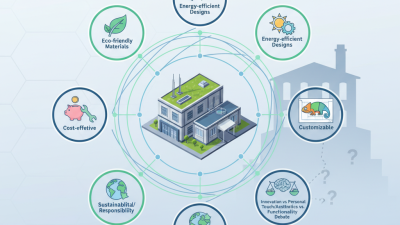
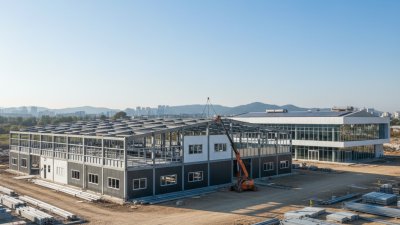
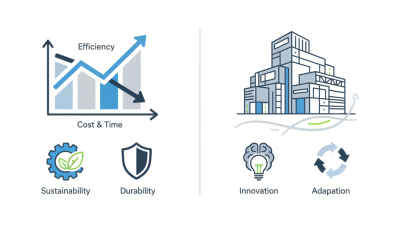
Prefabricated metal buildings have gained popularity in China for numerous projects. These structures offer key features that enhance their appeal for various applications. One significant advantage is their quick assembly time. Construction time is reduced, enabling businesses to start operations sooner. Additionally, prefabricated metal buildings are often designed to meet specific needs, allowing for customization.
Durability is another vital feature. These buildings withstand harsh weather conditions, making them ideal for diverse climates in China. The materials used are resistant to rust and corrosion, ensuring longevity. However, some projects may require adjustments during installation, which can challenge the initial design plans. This necessity for fine-tuning emphasizes the importance of reliable contractors.
Cost-effectiveness remains a focal point. While the upfront investment may seem significant, the reduced operational and maintenance costs provide savings over time. Environmental considerations also play a role. Many manufacturers offer eco-friendly options, which resonate with the growing focus on sustainability. Nevertheless, this may lead to confusion among customers regarding the actual environmental impact. Ultimately, understanding these features is vital for making informed decisions.
Benefits of Choosing Prefabricated Metal Structures for Your Project
Prefabricated metal structures have gained popularity for their numerous benefits in construction projects. According to a report by the Metal Building Manufacturers Association, these buildings can reduce construction time by up to 40%. This significant time-saving advantage allows projects to be completed faster, which is essential in today’s fast-paced environment.
Furthermore, prefabricated metal buildings are known for their durability. They withstand harsh weather conditions, making them ideal for various climates. A study from the National Institute of Standards and Technology shows that prefabricated metal structures have a lifespan exceeding 50 years with minimal maintenance. This longevity translates to lower long-term costs, an attractive feature for both developers and clients.
While the initial investment might seem higher, the cost-effectiveness over time can be substantial. Estimates indicate that operating costs for prefabricated structures can be reduced by 30% due to efficient design and energy-saving capabilities. However, it's important to assess the specific needs of your project before making a decision. Not every project may benefit equally from this type of construction.
China Best Pre Fabricated Metal Buildings for Your Next Project? - Benefits of Choosing Prefabricated Metal Structures for Your Project
| Feature |
Description |
Benefits |
| Cost Efficiency |
Prefabricated structures are typically more affordable than traditional buildings due to reduced labor costs and faster construction times. |
Lower overall project budget and reduced time on site. |
| Speed of Construction |
Components are manufactured off-site and assembled quickly on location. |
Faster project completion leads to quicker return on investment. |
| Durability |
Metal structures are resistant to termites, mold, and extreme weather conditions. |
Long lifespan and reduced maintenance costs. |
| Design Flexibility |
Can be customized to suit specific needs and preferences, with various styles and sizes available. |
Allows for tailored projects that meet precise specifications. |
| Eco-Friendly Options |
Many prefabricated metal buildings can be made from recycled materials and are fully recyclable themselves. |
Sustainable building practice that reduces environmental impact. |
| Safety Standards |
Manufactured to meet high safety and quality standards in a controlled environment. |
Enhanced safety for construction workers and future occupants. |
Top Applications for Prefabricated Metal Buildings in Various Industries
Prefabricated metal buildings have gained traction across various industries due to their adaptability and efficiency. In the construction sector, these structures offer quick assembly times. According to a report by Grand View Research, the global prefabricated building market is expected to reach USD 188.9 billion by 2027. This reflects a growing demand in sectors such as commercial, residential, and industrial.
In agriculture, prefabricated metal buildings serve as versatile solutions for storage. These structures can accommodate equipment, livestock, and produce. Data from the USDA indicates that over 60% of American farms have adopted some form of prefabricated construction. This trend supports efficiency in operations and reduces costs. However, some farmers face challenges with zoning laws and local regulations.
The manufacturing industry also benefits from these buildings. Their robust design provides a safe environment for production and warehousing. A report by ResearchAndMarkets highlights a projected CAGR of 5.9% in the manufacturing segment. Yet, companies must consider potential logistical issues and future scalability when choosing designs. Ultimately, while prefabricated metal buildings present numerous advantages, careful planning and assessment are crucial.
Cost Comparisons: Prefabricated Metal Buildings vs. Traditional Construction
When considering construction methods, cost plays a crucial role. Prefabricated metal buildings usually offer a more budget-friendly alternative to traditional construction. These structures are produced in factories, allowing for streamlined assembly on-site. This results in reduced labor costs and shorter project timelines. Additionally, materials used in prefabricated buildings often require less maintenance, saving future costs.
However, the initial price can vary based on design and customization. While the base cost of a prefabricated structure is often lower, specific modifications may increase expenses. It's essential to assess the long-term implications of each option. Traditional buildings may come with hidden costs, such as time delays and unexpected material price changes.
In some cases, opting for custom features in prefabricated buildings can lead to significant expenses. It’s vital to balance aesthetic desires with budget constraints. Consulting experts can help navigate these complexities. This careful planning ensures that your project remains both cost-effective and meets your vision. Always weigh the advantages and disadvantages of each approach to make an informed decision.
Cost Comparisons: Prefabricated Metal Buildings vs. Traditional Construction