How to Choose the Right Structural Metal Beams for Your Project?
Choosing the right structural metal beams is crucial for any construction project. Renowned structural engineer, Dr. Emily Carter, emphasizes this. She said, "Selecting the right beams can determine the success of your structure." Structural metal beams are fundamental components that provide strength and stability. Their material, shape, and size greatly affect performance.
Different projects require different specifications. Builders often face challenges when selecting structural metal beams. Factors like load-bearing capacity, environmental conditions, and design intentions must be considered. Mistakes in this phase can lead to costly revisions later. Each choice you make impacts your project's durability.
It's essential to weigh these factors carefully. Quality material ensures longevity, while the correct design prevents failures. As you navigate your options, think about the specific needs of your project. Reflect on past experiences and learn from them. The right choice in structural metal beams can indeed make all the difference.

Understanding Different Types of Structural Metal Beams
When selecting structural metal beams for a project, understanding the types available is crucial.
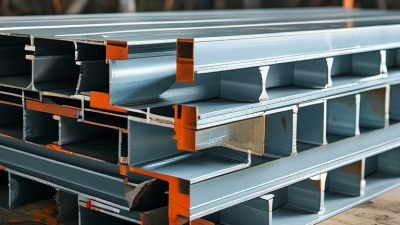
Common options include I-beams, H-beams, and C-channels.
I-beams are highly versatile and often used in construction. They offer a high strength-to-weight ratio.
H-beams are wider and can bear more load. They work well for larger structures. C-channels are ideal for lighter loads and bracing applications.
Consider the specific requirements of your project. Load capacity, span length, and environmental factors play a big role.
Be aware that using a beam too small for the load can lead to structural failure. Always seek expert advice if you're unsure.
When choosing metal beams, think about installation methods. Some designs require complex connections or reinforcements.
Keeping costs in mind is essential. A more robust beam might save future repair costs.
Take time to reflect on your choices before finalizing any decisions. Your project's success depends on these details.
Key Factors to Consider When Choosing Metal Beams
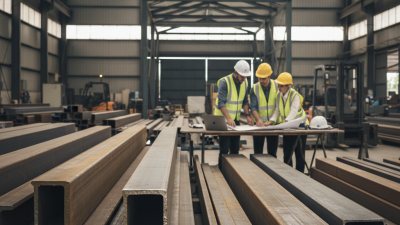
Choosing the right structural metal beams requires careful consideration of several factors. The first is the load capacity. You need to know how much weight the beams will need to support. Each project has unique demands. Not accounting for these can lead to issues later.
Next, think about the material type. Common choices include steel and aluminum. Steel is strong and durable, while aluminum is lighter and resistant to corrosion. Each material has its pros and cons, impacting cost and maintenance. Evaluating your project's environment can guide this choice.
Lastly, consider the beam dimensions and shape. I-beams, C-channels, and rectangular tubes each serve different structural purposes. The geometry influences not only strength but also the aesthetic. It's vital to analyze the overall design before making a decision. Revisiting these details can refine your selection process.
Applications and Use Cases for Various Metal Beam Types
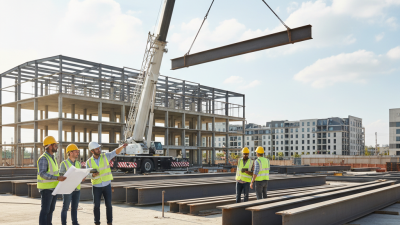
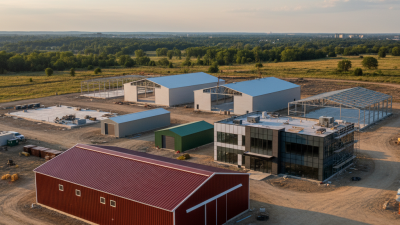
When considering structural metal beams, understanding their applications is crucial. Different types of beams serve various functions in construction. For example, I-beams, commonly used in building frameworks, provide great strength for vertical loads. Their open shape reduces weight while maximizing support. In contrast, C-beams are often used in light structures, such as carports or small warehouses, where the load requirements are less demanding.
Another option is H-beams, which are wider and provide stability. They’re ideal for heavy industrial buildings where substantial weight is a factor. However, using H-beams may lead to over-engineering in lighter projects, causing unnecessary costs. The choice should reflect the intended use and structural needs.
Each project has unique requirements. It’s essential to assess your load expectations and span lengths accurately. Perform regular evaluations of beam types based on material availability and project scope. This diligence supports informed decisions that enhance structural integrity while remaining cost-effective.
Evaluating Quality and Strength Standards for Metal Beams
When selecting structural metal beams, quality and strength standards cannot be overlooked. A recent report from the American Institute of Steel Construction (AISC) underscores that beams must comply with specific grade classifications. For example, S235 steel offers good weldability and moderate strength, making it suitable for various projects. In contrast, S355 is preferred for heavy constructions due to its superior strength characteristics.
Understanding the strength-to-weight ratio is crucial. According to the World Steel Association, steel's unparalleled strength enables designers to use thinner profiles without sacrificing load-bearing capacity. This efficiency can lead to substantial cost savings and reduced material waste. However, not all beams meet these criteria. Poor quality metal beams can lead to safety hazards. Regular inspections and adherence to ASTM (American Society for Testing and Materials) standards significantly enhance reliability.
The market often presents a range of options. However, not every beam guarantees the performance required for your project. Regional variations in production standards can affect overall integrity. Evaluating test reports and certifications from recognized organizations will provide insights into a beam's true quality. Choosing the right beam demands diligence and informed decision-making.
Cost Considerations and Budgeting for Metal Beam Projects
When planning your metal beam project, budgeting is crucial. Metal beams can be significant investments, so understanding costs is essential. Different types of beams, such as I-beams or H-beams, vary in price. The size and weight also affect costs. Always account for both material and labor expenses when estimating your budget.
Be mindful that unexpected costs can arise. Fluctuations in material prices may occur due to market changes. Delays in construction can increase labor fees, affecting your overall budget. Consider adding a contingency fund, about 10-15% of your total project cost, to cover these surprises.
Ask for multiple quotes from suppliers. Each may have varying prices based on their sourcing and logistics. Plan your project timeline carefully. A rushed project can lead to overspending. Working with experienced professionals can help keep your costs within limits. Prioritize quality because compromising on materials can lead to higher expenses in the long run.