What is Pre Structured Building and How Does It Benefit Construction?
The construction industry is constantly evolving. One innovative approach gaining traction is Pre Structured Building. This method involves creating modular components offsite before assembling them onsite. It streamlines the construction process and offers numerous benefits.
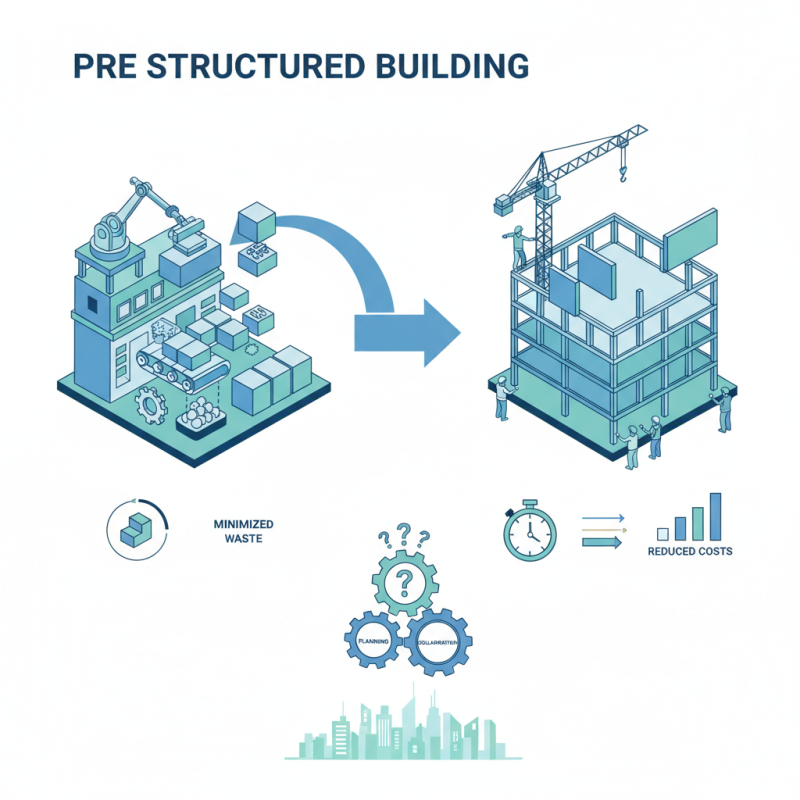
Pre Structured Building enhances efficiency by reducing project timelines. Workers can focus on assembly rather than extensive on-site construction. Materials are also fabricated in controlled environments, minimizing waste. This technique can lead to significant cost reductions in projects.
However, the adoption of Pre Structured Building is not without challenges. It requires careful planning and collaboration among stakeholders. While the benefits are clear, companies must consider their current capabilities. Reflection on existing practices is crucial for successful implementation. Overall, Pre Structured Building represents a significant shift in construction methods, promising a more efficient future.
What is Pre Structured Building?
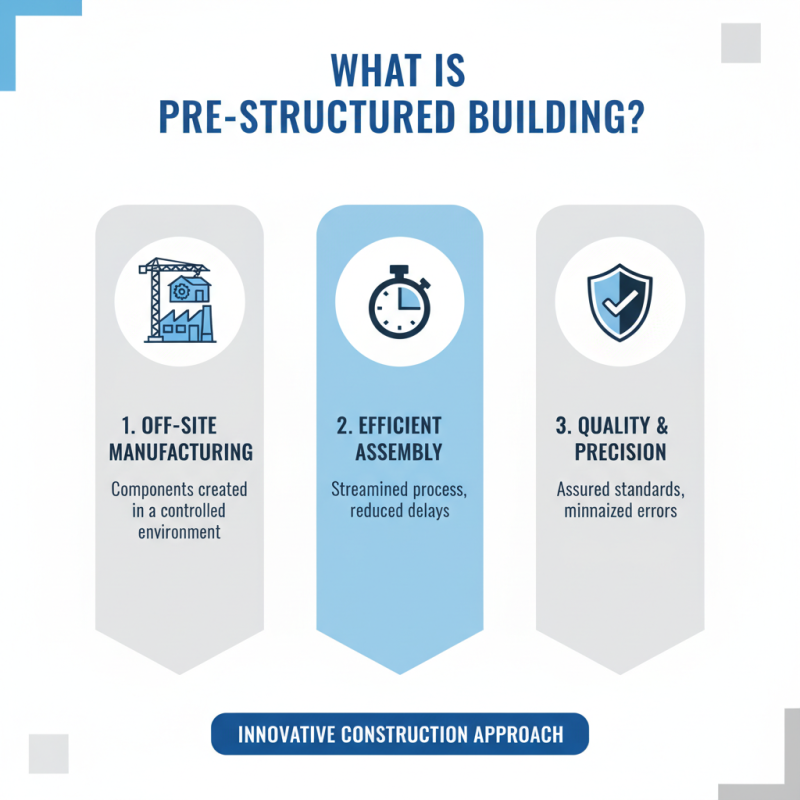
Pre-structured building is an innovative approach revolutionizing the construction industry. It involves the creation of building components off-site, allowing for a more efficient and organized assembly process. This method streamlines the construction timeline, reducing delays caused by on-site environmental factors. By preparing materials and structures in a controlled setting, builders can assure quality and precision.
The design flexibility offered by pre-structured building is notable. Architects can experiment with various designs and components before production. However, this method isn't without challenges. Questions regarding material sustainability and waste management are significant. Builders must consider the impact of using pre-manufactured materials on the environment. Traditional techniques may better suit certain projects.
Despite its benefits, adopting pre-structured building necessitates a shift in mindset. Builders must adapt to new technologies and processes. This transition can be daunting but rewarding. Striking a balance between modern techniques and traditional values is essential. Ultimately, pre-structured building can offer substantial advantages, but it also requires careful consideration of broader implications.
Key Components of Pre Structured Building Design
Pre-structured building design is a modern approach that streamlines construction. This method involves prefabricating components off-site. These parts are then assembled on location. This can significantly reduce construction time and costs. Key components of this design include modular units, structural framing, and integrated systems.
Modular units are a major innovation. They are built in a factory and transported to the site. This allows for higher quality control and less material waste. Structural framing is designed to support various architectural styles. Each frame is engineered for specific loads and conditions. Integrated systems, like mechanical and electrical setups, further enhance the efficiency of pre-structured buildings.
While these benefits are notable, challenges exist. Not all designs can be effectively prefabricated. Site limitations may restrict the assembly process. Some may also find it hard to secure materials on time. Each project requires careful planning and adaptation. Despite hurdles, the efficiency of pre-structured buildings presents a compelling option for modern construction.
Advantages of Pre Structured Buildings in Construction
Pre-structured buildings are changing the way we approach construction. These structures come with prefabricated components, which significantly reduces construction time. The assembly of pre-structured buildings can be completed in a fraction of the time compared to traditional methods. For busy contractors, this accelerated timeline can lead to cost savings and a quicker return on investment.
Another benefit is the improved quality control seen in pre-structured buildings. Components are crafted in controlled environments, which minimizes weather-related issues often faced on-site. However, one must be cautious about potential design limitations. While these buildings can be efficiently assembled, customization options may be restricted. This creates a need for thorough planning before construction begins.
Sustainability is also a key advantage. Pre-structured buildings often utilize eco-friendly materials, promoting energy efficiency. Nevertheless, the reliance on manufactured components raises concerns about the environmental impact of production processes. Ensuring sustainability requires careful selection of materials and suppliers, which can be challenging but is crucial for long-term benefits. Embracing these new techniques can lead to innovative solutions in the construction industry.
What is Pre Structured Building and How Does It Benefit Construction?
| Aspect |
Description |
Benefits |
| Cost Efficiency |
Pre structured buildings are typically more cost-effective due to reduced labor and material costs. |
Lower overall project costs. |
| Time Savings |
Construction time is significantly shortened grâce à pre-assembled components. |
Faster project completion times. |
| Quality Control |
Structures are built in a controlled environment, ensuring consistent quality. |
Higher durability and quality standards. |
| Sustainability |
Uses sustainable materials and processes, reducing environmental impact. |
Eco-friendliness and compliance with green building regulations. |
| Design Flexibility |
Offers a range of design options to meet various architectural needs. |
Customization possibilities for different projects. |
Comparison: Pre Structured vs. Traditional Construction Methods
Pre-structured building is an innovative approach gaining traction in the construction industry. It emphasizes pre-designed modules for assembly, streamlining processes. In contrast, traditional construction relies heavily on on-site work, which can be time-consuming and unpredictable.
When comparing these methods, time efficiency stands out. Pre-structured projects may be completed in weeks rather than months. However, it’s essential to consider potential challenges. The initial design phase demands expertise to avoid costly adjustments later. Rarely, customization may feel limited, which could frustrate some builders.
Tips: Always engage with experienced designers. Their insights can help mitigate risks. Ensure you thoroughly assess the site for proper fit. Choosing the right location is vital for success.
Cost is another significant factor. Pre-structured buildings often reduce labor costs but can involve higher upfront expenses. Traditional methods might save initial costs but can lead to overruns. Weighing these factors carefully is crucial for project success. Reflect on your unique needs, as the right choice can greatly impact overall efficiency.
Future Trends in Pre Structured Building Technology
As the construction industry evolves, pre-structured building technology is at the forefront. This method focuses on efficiency and speed. According to a report by McKinsey, construction productivity has stagnated. Yet, pre-structured buildings can boost productivity by up to 20%. This efficiency arises from modular construction methods that allow for simultaneous site preparation and building assembly.
Future trends indicate a surge in the adoption of smart technologies within pre-structured buildings. The integration of IoT and automation could greatly enhance functionality. A study from the World Economic Forum highlighted that smart building technologies could reduce energy usage by 30%. Despite these positive outlooks, challenges remain. Not all stakeholders fully understand the potential impact of these technologies. Training and education are crucial for effective adoption.
Moreover, sustainability is becoming an important factor. Reports suggest that pre-structured buildings are more resource-efficient. They generate less waste during construction. However, it’s important to note that not every project qualifies for pre-structured technology. Site-specific conditions can limit application, which requires careful consideration. The future may hold much promise, but the path to widespread adoption demands comprehensive focus on education and adaptation.
Analyzing Benefits of Pre Structured Buildings