What is Steel Structure Buildings Benefits and Applications?
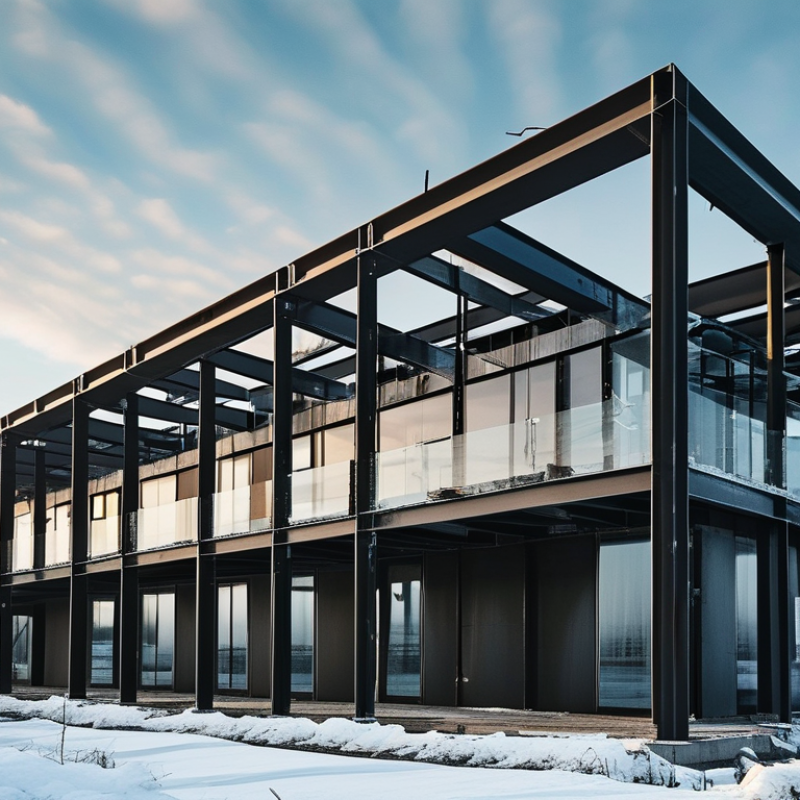
Steel Structure Buildings have gained immense popularity in recent years. Their unique design offers various advantages over traditional construction methods. This type of building utilizes steel as the primary structural material, ensuring strength and durability.
One of the key benefits of Steel Structure Buildings is their ability to withstand extreme weather conditions. They are resilient to earthquakes, strong winds, and heavy snow loads. Additionally, these buildings can be constructed quickly, reducing labor costs and project timelines.
However, it is important to consider potential drawbacks. The initial cost of steel can be high, and proper maintenance is essential to prevent rust. Despite these challenges, the long-term benefits often outweigh concerns. Steel Structure Buildings remain a reliable choice for various applications, emphasizing their growing significance in modern architecture.
Benefits of Steel Structure Buildings in Modern Construction
Steel structure buildings offer numerous benefits in modern construction, making them a popular choice. According to the American Institute of Steel Construction, steel's strength-to-weight ratio leads to faster construction times. With steel frames, builders can significantly reduce the amount of material required. This efficiency results in less waste and a more sustainable building process.
Another noteworthy advantage is the flexibility of design. Steel structures can accommodate various architectural styles. They can easily adapt to different environments and conditions, making them highly versatile. A report from the National Bureau of Standards highlights that steel can withstand extreme weather conditions, which enhances safety and durability.
Cost-effectiveness plays a crucial role as well. The initial investment in steel may seem high, but its longevity often translates to lower maintenance costs over time. A study by McGraw-Hill Construction found that steel buildings can lead to reduced insurance premiums due to their resilience. However, some challenges remain. The steel market's fluctuations can influence project budgets, and builders must be prepared to adapt. Overall, while steel structures present some complexities, their benefits often outweigh the challenges.
Key Applications of Steel Structures Across Various Industries
Steel structures have become an integral part of modern construction, showcasing their versatility across various industries. In the construction sector, they provide the backbone for skyscrapers and warehouses. Their high strength-to-weight ratio allows for taller buildings with fewer materials. In manufacturing, steel frameworks support large machinery, enhancing workflow efficiency. These structures are not only durable but also adaptable, making them ideal for rapid expansions.
In the transportation industry, steel bridges and overpasses are vital for connecting communities. Their resilience against environmental factors ensures safety and longevity. The energy sector also benefits; wind turbine towers made of steel harness natural resources efficiently.
When considering steel structures, always evaluate environmental impact. Recycling steel helps reduce waste. Additionally, regular maintenance checks are essential for prolonging the lifespan of these structures. This proactive approach can prevent costly repairs down the line. Balancing innovation and sustainability is key in steel construction. Aim for functionality, but don’t overlook aesthetic appeal, as modern designs can blend both seamlessly.
Strength and Durability: Advantages of Steel in Building Design
Steel structures offer remarkable strength and durability, making them a popular choice in various building designs. The inherent properties of steel, such as its high tensile strength, allow structures to withstand heavy loads and severe weather conditions. Buildings made from steel can endure harsh environments, which minimizes maintenance and repair costs over time. This resilience is particularly valuable in areas prone to natural disasters like earthquakes or hurricanes.
Moreover, steel structures are often lighter than traditional materials, which leads to more efficient foundation requirements. The reduced weight can result in lower construction costs and faster project completion. However, one must consider the insulative properties; steel can conduct heat. This may necessitate additional planning for energy efficiency. Architects must balance the benefits of steel with the need for effective insulation.
Integrating steel in building design opens up possibilities for innovative architectural concepts. The material allows for larger spans and open spaces, giving architects more flexibility. Yet, it also comes with a responsibility to ensure sustainability aligns with its use. Striking this balance is essential for responsible building practices in today’s world.
Design Flexibility and Adaptability in Steel Building Construction
Steel structures offer remarkable design flexibility and adaptability in construction. This versatility allows architects to explore various shapes and forms. The lightweight nature of steel enables unique designs, reducing the need for extensive foundation systems. This can lead to reduced construction time and costs. Buildings can be designed with wide open spaces, making them ideal for a range of applications.
Moreover, steel structures can be easily modified or expanded. As needs change, these buildings can be reconfigured without extensive demolition. This adaptability makes them suitable for various industries. Warehouses, offices, and even residential spaces benefit from this feature. Future relocation and renovation become more feasible. However, the planning process may require thorough consideration to ensure long-term viability.
While steel offers numerous advantages, challenges do exist. The initial cost may be higher than traditional materials. Additionally, design complexity can increase time and expertise required. Flaws in design can lead to costly alterations later. It's crucial to work with experienced professionals to mitigate these risks. Balancing these factors is essential in creating an effective steel structure.
Benefits and Applications of Steel Structure Buildings