Why Choose Pre Fabricated Metal Buildings for Your Next Project?
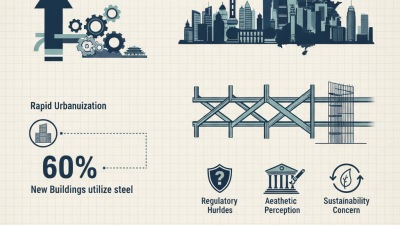
In recent years, the construction industry has increasingly turned to Pre Fabricated Metal Buildings (PFMBs) as a viable solution for a range of projects. According to the Metal Building Manufacturers Association, the market for metal buildings is projected to grow by 5.5% annually. This growth reflects a shift towards efficiency and sustainability in construction practices. Prefabricated metal structures offer benefits such as rapid assembly and reduced waste, making them an attractive option for developers.
Choosing PFMBs can enhance project timelines significantly. Reports indicate that construction times can decrease by up to 40% when using prefabricated materials. This accelerated schedule is crucial in an era where time is synonymous with money. However, it’s important to consider that not every project may be ideal for metal buildings, as design limitations might arise.
Furthermore, while the upfront costs for PFMBs can be competitive, long-term savings from lower maintenance and energy efficiency should be weighed. Experts highlight that these buildings can reduce energy usage by 30% compared to traditional structures. Nevertheless, careful planning and site assessments are necessary to maximize the benefits of Pre Fabricated Metal Buildings for your next endeavor.
Benefits of Prefabricated Metal Buildings in Construction Efficiency
Prefabricated metal buildings are gaining traction for their notable impact on construction efficiency. A report by the National Institute of Building Sciences indicates that prefabricated structures can cut construction time by up to 30%. This speed is crucial in urgent projects where delays can lead to significant cost overruns. With improved scheduling, teams can work in parallel rather than sequentially, making it possible to meet tight deadlines.
Another advantage lies in material optimization. The precise manufacturing process reduces waste by an estimated 10-15%. Less material waste not only lowers costs but also supports sustainability efforts. Furthermore, prefabricated metal buildings often exhibit higher durability when compared to traditional structures. They are resistant to harsh weather conditions, potentially reducing long-term maintenance costs.
While the benefits are clear, there are challenges. Some contractors may lack training in assembling prefabricated components. This gap can lead to avoidable errors on-site. Additionally, high upfront costs can deter initial investment, although long-term savings usually offset this. These aspects require careful consideration when choosing prefabricated metal structures for future projects.
Cost-Effectiveness of Prefabricated Metal Buildings: A Statistical Overview
Prefabricated metal buildings are gaining attention for their cost-effectiveness. Statistical data shows they often require less material than traditional constructions. This reduction leads to lower labor and transportation costs, making them an attractive option for many projects. A report indicated that prefabricated buildings can save up to 30% in project expenses compared to conventional methods.
Many construction projects face budget constraints. Prefabricated metal structures provide flexibility. They can be customized to fit different needs, which is important for various industries. The speed of assembly also contributes to savings. Projects can be completed much faster than traditional builds. However, some may worry about the long-term durability and resale value. While prefabricated buildings are designed for longevity, it's essential to consider maintenance costs as part of the investment. Exploring options thoroughly helps mitigate these concerns.
Energy Efficiency and Sustainability in Prefabricated Metal Building Design
Prefabricated metal buildings are increasingly recognized for their energy efficiency and sustainability. These structures can significantly reduce energy costs over their lifetime. The use of insulated metal panels helps maintain optimal indoor temperatures. This means lower heating and cooling expenses for building owners.
When designing a prefabricated metal building, consider natural light. Incorporating windows and skylights can reduce electricity needs. This feature not only brightens the space but also enhances the wellbeing of occupants. Additionally, choose sustainable materials during the construction phase. Opting for recycled steel reduces the demand for new materials and minimizes waste.
However, it's essential to be mindful of the complexities involved in energy-efficient design. Not all designs yield the same level of efficiency. For instance, improper insulation can lead to energy loss. Regular maintenance is vital to ensuring that systems remain efficient. Investing in smart technology like energy monitoring can lead to better energy management. Paying attention to these details can make a significant difference in long-term sustainability.
Versatility and Customization Options in Prefabricated Metal Structures
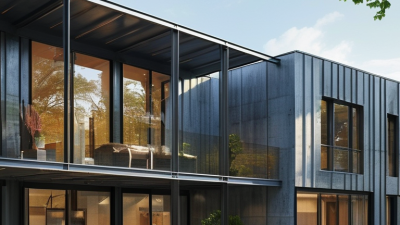
Prefabricated metal buildings offer remarkable versatility and extensive customization options. These structures are designed to meet a wide range of needs, from warehouses to offices. The flexibility in design allows you to create a space that truly reflects your vision. You can choose from various sizes, styles, and colors, ensuring that the building fits your aesthetic and functional requirements.
When customizing your building, consider adding insulation or unique architectural features. These elements enhance energy efficiency and the overall appeal of the structure. Additionally, many manufacturers provide a selection of door and window configurations, enabling you to maximize natural light. Reflect on how external factors like climate might impact your design choices. Tailoring for your local environment can lead to better performance and longevity.
Understanding the layout is crucial. Think about how the space will be utilized. The arrangement of rooms or workstations can significantly influence productivity. An open layout might foster collaboration, while defined spaces can enhance focus. Sometimes, it means learning from past projects. Analyze what worked before and what didn’t. Modifying plans based on those reflections can lead to a superior outcome.
Why Choose Pre Fabricated Metal Buildings for Your Next Project? - Versatility and Customization Options in Prefabricated Metal Structures
| Feature |
Details |
Benefits |
| Versatility |
Can be used for various applications including warehouses, offices, and retail spaces. |
Flexibility in design to accommodate different business needs. |
| Customization |
Available in a wide range of sizes, colors, and layouts. |
Ability to match branding or specific functional requirements. |
| Speed of Construction |
Prefabrication allows for quicker assembly on-site. |
Reduced labor costs and shorter project timelines. |
| Durability |
Made with high-quality steel that can withstand extreme weather. |
Long lifespan and lower maintenance costs. |
| Energy Efficiency |
Options for insulation and energy-efficient systems. |
Lower energy expenses and improved comfort. |
Durability and Longevity of Prefabricated Metal Buildings Explained
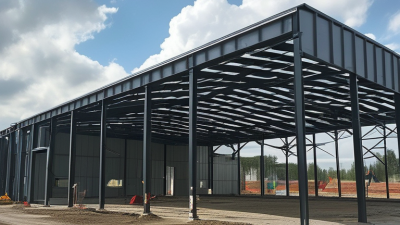
Prefabricated metal buildings offer exceptional durability and longevity, making them an ideal choice for various projects. According to the Metal Building Manufacturers Association (MBMA), these structures can last over 50 years with minimal maintenance. Unlike traditional materials, metal is resistant to rot, pests, and severe weather. This resistance extends the building's life and reduces repair costs significantly.
The lifespan of prefabricated metal buildings can be attributed to their robust design and quality materials. A study by the National Institute of Standards and Technology highlights that metal structures withstand extreme conditions like high winds and heavy snowfall better than wood-frame buildings. Additionally, steel frameworks offer seismic advantages, as they are less likely to suffer major damage during earthquakes. However, the initial cost may deter some, as investments in quality materials do come with higher upfront expenses.
A potential drawback is that prefabricated metal buildings require skilled installation. Poor craftsmanship can lead to structural vulnerabilities. Regular inspections are essential for identifying issues like corrosion or joint failures. Building owners must be proactive in maintenance, ensuring their structures continue to perform well over time.