Top 10 Prefabricated Metal Buildings for Global Buyers?
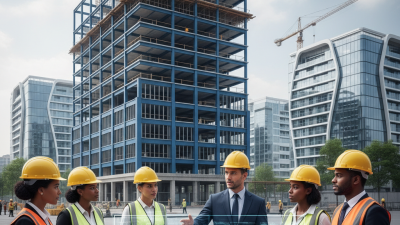
In the evolving landscape of construction, Pre Fabricated Metal Buildings have gained significant traction among global buyers. These structures provide numerous advantages, including speed of assembly and cost-effectiveness. Expert Sarah Johnson, an industry leader with over 15 years of experience, states, “Pre Fabricated Metal Buildings reshape how we think about construction efficiency.” Her insights highlight the growing importance of this innovative building method.
Despite their many benefits, the adoption of Pre Fabricated Metal Buildings is not without challenges. Some may question their durability compared to traditional structures. Additionally, finding the right supplier is crucial for ensuring quality and reliability. A balanced understanding of these factors is essential for prospective buyers entering this market.
As the demand for efficient and sustainable construction solutions rises, Pre Fabricated Metal Buildings are expected to play a pivotal role. However, buyers must remain vigilant and informed to navigate the complexities of this industry. Understanding both the strengths and potential shortcomings will lead to more successful projects.
Top 10 Prefabricated Metal Buildings: An Overview of the Market Trends
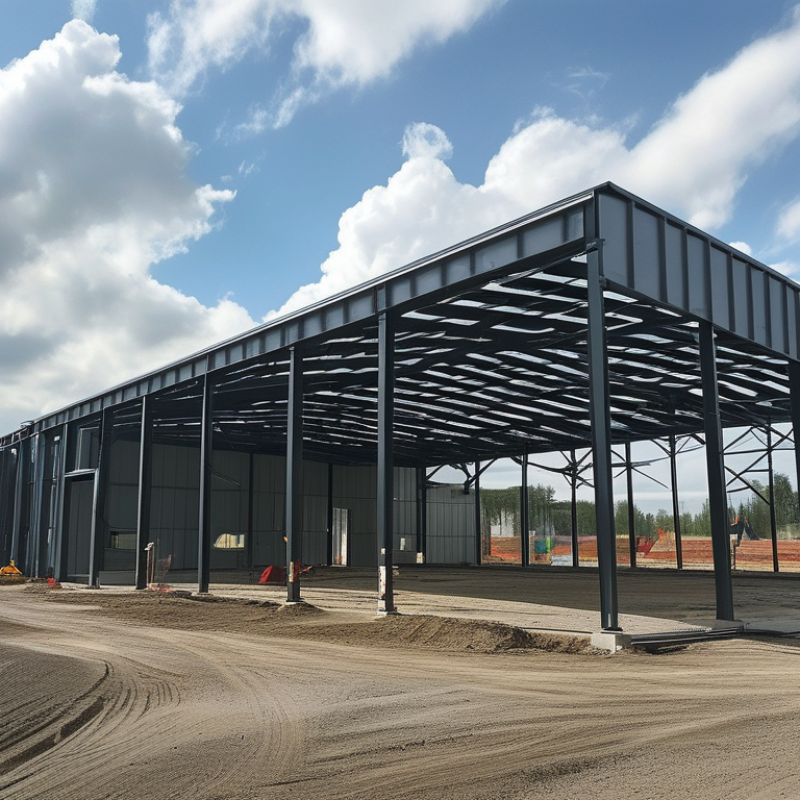
The prefabricated metal building market is evolving rapidly. According to a report by Allied Market Research, the global prefabricated metal buildings market was valued at around $14.1 billion in 2021, expected to reach $24.3 billion by 2031. This industry growth highlights a shift towards efficient construction methodologies. Environmental considerations are pushing companies to adopt sustainable practices in metal building manufacturing.
The demand for flexible designs is another notable trend. Buyers seek customizable options that suit various needs. Industrial facilities, warehouses, and agricultural buildings frequently employ these structures. A recent survey revealed that 70% of buyers prefer buildings that can be modified later. This adaptability is crucial in a fast-paced market.
Tip: Consider longevity when selecting materials. Metal buildings often last longer than traditional structures.
Budget constraints also play a significant role in decision-making. Many prefer cost-effective solutions without sacrificing quality. A careful balance between price and performance is essential.
Tip: Review multiple vendors to understand pricing trends. This research can lead to better deals.
Key Advantages of Prefabricated Metal Buildings for Global Buyers
Prefabricated metal buildings offer numerous advantages for global buyers. They are known for their durability and design versatility. These structures can withstand extreme weather conditions, making them ideal for various climates. A report from the Metal Building Manufacturers Association states that metal buildings reduce maintenance costs by up to 50% compared to traditional constructions. This is a significant draw for buyers looking to invest wisely.
Cost-effectiveness is another vital consideration. Prefabricated buildings are often quicker to assemble. This efficiency translates into reduced labor costs and less time spent on site. In fact, a recent study showed that these structures can be erected 30% faster than conventional buildings. However, buyers must consider shipping and local regulations that could affect timelines.
Sustainability plays a crucial role as well. Many metal buildings utilize recycled materials. This approach can lead to certifications that enhance a facility’s marketability. Despite these benefits, some buyers worry about aesthetic limitations. While many designs exist, customizations can sometimes incur additional costs. It’s essential to balance budget and design preferences when selecting the right type of building.
Comparative Analysis of Materials Used in Prefabricated Metal Structures
The choice of materials in prefabricated metal structures plays a crucial role in defining their durability and cost-effectiveness. Steel remains the most popular choice due to its high strength-to-weight ratio. A recent industry report indicates that around 40% of all fabricated metal structures are made with high-strength steel, which enhances structural integrity while minimizing material waste.
In terms of corrosion resistance, galvanized coatings are commonly applied to steel components. This treatment can increase the lifespan of a building significantly. Research shows that galvanized steel structures can last over 50 years with minimal maintenance. The environmental impact is also an important factor. Steel recycling rates exceed 90%, making it an eco-friendly option that appeals to a growing number of global buyers.
Aluminum, while less common, is favored for its lightweight properties and resistance to rust. It is particularly useful in areas with high moisture levels. However, aluminum can be more expensive than steel. Buyers must weigh options carefully, considering not just initial costs but long-term performance and environmental factors. A misstep here can lead to increased operational costs down the line.
Global Demand: Regional Insights into Prefabricated Metal Building Sales
The global market for prefabricated metal buildings is on the rise. Many factors, including efficiency and cost-effectiveness, drive this growth. Regions like North America and Asia show a high demand. Europe is also seeing increased interest, particularly in sustainable solutions.
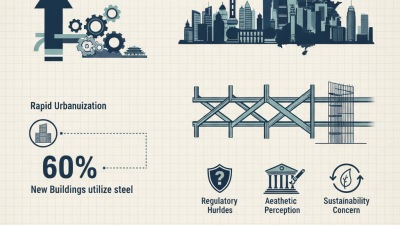
In the Asia-Pacific region, rapid urbanization boosts the need for versatile structures. Countries are leaning towards modular designs for quick deployment. However, climatic challenges can affect material choices, introducing complexity.
**Tips:** When considering a prefabricated metal building, evaluate local regulations. Understand the climate impact on materials. Engage with suppliers who understand regional demands. Staying informed can prevent costly mistakes and align projects with community needs.
Case Studies: Successful Implementations of Prefabricated Metal Buildings
Prefabricated metal buildings have gained popularity globally due to their efficiency and versatility. In several case studies, organizations have successfully implemented them, showcasing their advantages. For instance, a school in a remote area used these buildings to create additional classrooms quickly. The project was completed in just a few months, improving educational opportunities for students. The ease of assembly allowed for rapid deployment.
Another case involved a community center in a flood-prone region. Traditional construction was risky, so prefabricated solutions were adopted. This center was not only resilient but also environmentally friendly. Local materials were incorporated, reducing costs. However, the project faced challenges in logistics and initial skepticism from community members. Over time, these buildings proved their worth, fostering community engagement.
These examples illustrate the real-world applications of prefabricated metal structures. They highlight their potential to address urgent needs in various sectors. It is important to reflect on these case studies and consider the lessons learned. Adaptability and community involvement are crucial for success in future projects.