Why Choose Prefabricated Steel Structures for Your Project?
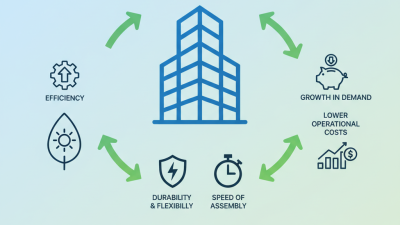
In recent years, the construction industry has witnessed a significant shift towards "Prefabricated Steel Structures." These structures offer numerous advantages for various projects, from residential buildings to commercial facilities. As industry expert John Carter, a leading architect specializing in steel construction, states, “The future of construction lies in prefabrication; efficiency is key.” His insights encapsulate the growing trend toward these innovative building methods.
Prefabricated Steel Structures are known for their durability and cost-effectiveness. Builders can assemble these components quickly on-site, reducing labor costs. However, it’s essential to evaluate quality. Some manufacturers may cut corners to save money, which can lead to long-term issues. The reliability of the steel used, as well as the integrity of the design, is vital.
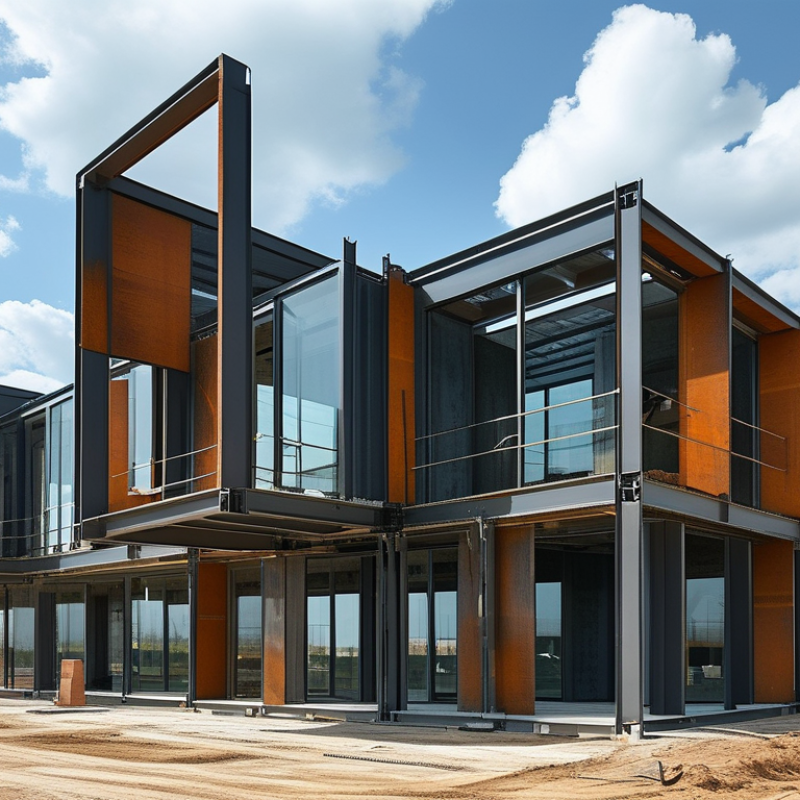
This building method also allows for greater design flexibility. Architects can create unique designs without compromising structural integrity. Yet, not all projects may benefit from prefabrication. It's crucial to assess each project’s specific needs. Even with advancements, challenges remain in logistics and site preparation. Careful planning and execution are necessary to maximize the benefits of Prefabricated Steel Structures.
Benefits of Prefabricated Steel Structures in Construction Projects
Prefabricated steel structures offer a range of benefits that can greatly enhance construction projects. A recent report from the Steel Construction Institute indicates that using steel can reduce construction time by up to 30%. This efficiency is largely due to off-site fabrication, which allows simultaneous site preparation. Reduced time on site means less disruption and lower labor costs.
The durability of steel is another key advantage. Studies show that prefabricated steel structures have longer lifespans compared to traditional materials. They are resistant to fire, pests, and decay, which can save considerable maintenance costs over time. In fact, the National Institute of Steel Framing found that steel buildings can save up to 40% on maintenance compared to wood structures.
However, it's important to recognize some challenges. Initial costs can be higher compared to alternatives. Some projects might require customized designs, which could lead to increased expenses. Architects and builders need to weigh these factors carefully. While prefabricated steel structures offer numerous benefits, a thoughtful approach is essential for each individual project.
Cost Efficiency and Time Savings with Prefabricated Steel Solutions
Prefabricated steel structures offer significant cost efficiency for various projects. When components are manufactured off-site, labor costs are reduced. This approach minimizes the time workers spend on-site, leading to savings on overall project expenses. With rapid assembly, projects can be completed swiftly. Delays due to weather conditions often diminish, as much of the work occurs in a controlled environment.
Time savings are another crucial factor. When prefabricated elements arrive ready for installation, the construction process accelerates. Projects that typically take months can be completed in weeks. This rapid turnaround enables businesses to start operations sooner. However, reliance on prefabrication can sometimes lead to bottlenecks in logistics. If not managed well, transportation delays may offset time gains.
It's important to consider the nuances of prefabrication. Not all architects and builders are experienced in this method. Some may overlook the intricate details required for designs, leading to potential setbacks. Engaging with professionals who understand these structures can mitigate risks. This ensures that the benefits of speed and cost-effectiveness are realized fully. Choosing a prefabricated solution involves careful planning and cooperation among all parties.
Environmental Advantages of Using Prefabricated Steel Materials
Prefabricated steel structures offer numerous environmental benefits. One significant advantage is their energy efficiency. Steel structures can be designed to optimize insulation, reducing heating and cooling needs. This results in lower energy consumption over the building's lifespan.
Using recycled materials is another advantage. Steel is one of the most recycled materials globally. Around 70% of steel comes from recycled sources. This reduces the need for raw materials and lowers the carbon footprint. Fewer resources are required for production, and the environmental impact is lessened.
Durability is key in prefabricated steel buildings. They resist weather conditions and pests better than traditional materials. This longevity means fewer repairs or replacements, contributing to less waste. However, some may argue that the initial carbon output during production is high. This is an area for reflection, as new technologies continue to improve efficiency. Balancing short-term impacts with long-term benefits is essential in decision-making.
Design Flexibility and Customization Options in Prefabricated Steel
Prefabricated steel structures offer unparalleled design flexibility and customization options. Designers can adapt these structures to meet specific project requirements, whether for commercial, industrial, or residential use. According to a recent report from McKinsey, projects using prefabricated components can reduce construction time by 20-50%. This acceleration allows for quicker occupancy, saving costs and increasing profitability.
Efficient design can lead to significant savings. The Steel Construction Institute notes that steel-framed buildings can be designed with longer spans and fewer columns, resulting in open and adaptable floor plans. This design feature attracts various tenants and optimizes space usage. However, the initial design phase should account for potential limitations in local zoning and regulations.
Tip: Always consult with structural engineers during the design phase. Their insights can help navigate local codes and ensure optimal use of materials.
The aesthetics of prefabricated steel structures can also be tailored. Finishes, colors, and textures can be customized to meet branding needs. Some projects have faced challenges because overspending on finishes can impede budget goals. Balancing aesthetics with cost-effectiveness requires careful planning.
Tip: Consider a phased approach. Start with essential structural elements before upgrading finishes later. This ensures compliance and budget adherence while still allowing for future improvements.
Why Choose Prefabricated Steel Structures for Your Project? - Design Flexibility and Customization Options in Prefabricated Steel
| Feature |
Description |
Customization Options |
Benefits |
| Design Flexibility |
Ability to create various structural designs to fit project needs. |
Modular designs, scalable layouts. |
Enhances aesthetic appeal and functional use. |
| Rapid Construction |
Prefabricated components are built off-site, reducing construction time. |
Options for pre-installed features and finishes. |
Faster project delivery and reduced labor costs. |
| Sustainability |
Use of recyclable materials and efficient energy use. |
Customizable green building materials. |
Reduces environmental impact and promotes eco-friendly concepts. |
| Cost Efficiency |
Lower overall costs due to reduced construction time and waste. |
Adjustable material choices to fit budget. |
Maximizes value for investment. |
Quality Control and Durability of Prefabricated Steel Structures
Prefabricated steel structures are known for their remarkable quality control and durability. When components are manufactured off-site, the environment is controlled. This leads to consistent quality. Strict inspections during production ensure that every piece meets high standards. Such attention to detail can reduce the risk of defects.
Durability is another critical aspect of prefabricated steel structures. Steel intrinsically resists various environmental challenges, such as corrosion and extreme weather. However, poor design or inadequate coatings can compromise this durability. Projects must prioritize proper maintenance routines to ensure long-lasting performance. By reflecting on past projects, builders can identify areas for improvement in designing these structures.
Investing in prefabricated steel means choosing a material that withstands the test of time. The marriage of quality control and robust durability offers an efficient solution for many construction needs. However, constant evaluation and adaptation remain vital to maximizing these benefits. As the industry evolves, so too must practices to ensure continued success.