2026 Top Trends in Pre Fabricated Metal Buildings for Modern Construction?
In the evolving landscape of modern construction, Pre Fabricated Metal Buildings are gaining significant traction. As industry expert Jack Simmons states, "The future of construction lies in flexibility and efficiency." This highlights the transformative potential of these structures.
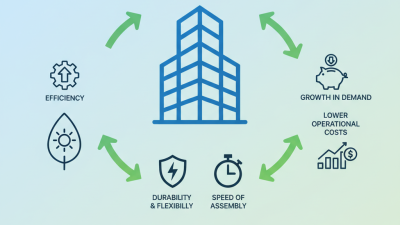
A shift towards sustainable practices is evident in 2026. Architects and builders favor Pre Fabricated Metal Buildings for their rapid assembly and reduced waste. These structures can be customized to suit diverse needs, from residential homes to large commercial spaces. Builders appreciate the cost savings and quick turnaround times.
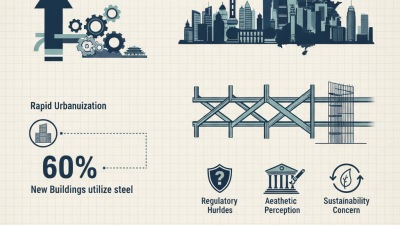
However, challenges remain. Some clients worry about the aesthetics of metal buildings. Others question their durability compared to traditional materials. Addressing these concerns is vital for broader acceptance. The market must balance innovation with client expectations for design and longevity. Overall, the future of Pre Fabricated Metal Buildings promises exciting developments, but dialogue and adaptation are essential.
Emerging Technologies in Prefabricated Metal Buildings for 2026
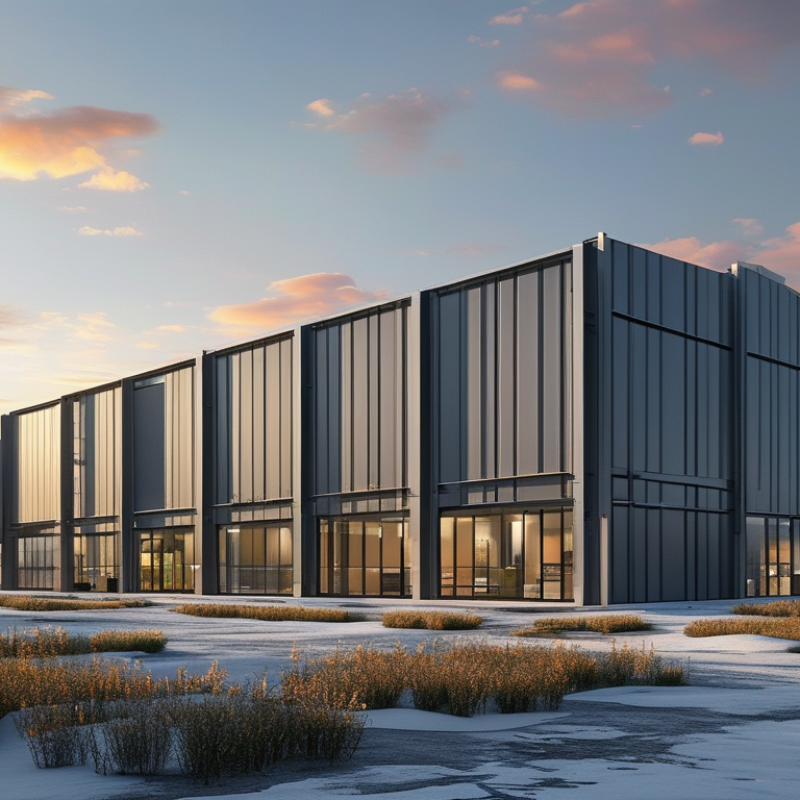
As we approach 2026, the prefabricated metal building industry is witnessing remarkable advancements. Emerging technologies are reshaping how these structures are designed, manufactured, and assembled.
Building Information Modeling (BIM) is leading the way. It allows architects to create detailed digital models that streamline construction processes. This technology minimizes errors and enhances collaboration among teams.
Another exciting development is the use of sustainable materials. Recycled steel and eco-friendly coatings are becoming popular. These innovations reduce the carbon footprint of prefabricated buildings.
Smart building technologies are also gaining traction. Sensors embedded in structures can optimize energy efficiency and monitor building health. These tools provide real-time data to enhance maintenance and safety.
Tips for selecting the right prefabricated metal building include considering the specific use of the structure. Think about climate conditions, local building codes, and long-term maintenance needs. Customization options are also essential.
Tailoring designs to meet unique requirements can vastly improve functionality. Always research the reputation of the manufacturers. Look for their experience in the field and solicit feedback from previous clients.
Sustainability Trends Shaping Modern Prefabricated Construction
The shift towards sustainability in prefabricated metal buildings is becoming increasingly prominent. Recent data from the Construction Industry Institute reveals that sustainable construction practices can reduce environmental impact by up to 50% compared to traditional methods. This trend reflects a growing awareness in the industry about the need for eco-friendly solutions.
Modern construction sees innovative materials being utilized. Recycled steel is gaining traction, promoting resource efficiency. The Metal Building Manufacturers Association reports that over 70% of metal building products can be recycled at the end of their life cycle. Architects are also embracing modular designs. These designs often lead to reduced waste and shorter construction timelines, benefiting both builders and the environment.
While these trends are encouraging, challenges remain. Many contractors struggle to access sustainable materials. This creates delays and increases costs. Furthermore, there is a skills gap within the workforce. Not every builder is trained in sustainable practices, which can hinder adoption. The industry must navigate these issues to fully embrace sustainability in prefabricated construction.
2026 Top Trends in Prefabricated Metal Buildings for Modern Construction
Innovative Design Trends in Metal Building Aesthetics
The aesthetics of prefabricated metal buildings are evolving rapidly. Modern construction embraces innovative designs that enhance visual appeal.
Sleek lines, vibrant colors, and unique shapes define contemporary metal structures. Architects are pushing boundaries to create spaces that are not only functional but also visually striking.
Consider integrating natural elements into your designs. Green roofs and living walls can soften the industrial look of metal buildings. This juxtaposition creates a harmonious blend between nature and technology.
Tips: Explore local materials to complement metal structures. Research local regulations to ensure compliance with aesthetic guidelines. Also, think about the overall environment in which the building will sit. Choosing the right colors can significantly affect how a structure interacts with its surroundings.
Avoid rigid design concepts. Flexibility in planning allows for more creative solutions. Embrace imperfections; they can lead to extraordinary outcomes. Staying open-minded can inspire new ideas for aesthetic enhancements.
Cost Efficiency and Time Savings with Prefabricated Systems
Prefabricated metal buildings are becoming increasingly popular in modern construction. One of the key benefits is cost efficiency. According to a report by the National Association of Home Builders, prefabricated systems can reduce construction costs by up to 20%. This savings often comes from reduced labor costs. With prefabricated structures, much of the work is done off-site, leading to faster assembly times.
Time savings is another significant advantage of prefabricated buildings. A study by McKinsey & Company found that modular construction methods can cut project timelines by up to 50%. Quick assembly means faster occupancy and revenue generation. However, this approach also requires effective project management to avoid delays. While prefabrication offers many advantages, it's essential to choose the right design and material to avoid potential issues.
Constructing buildings with prefabricated systems presents challenges as well. Some experts worry about the structural integrity of prefabricated elements. It's crucial to ensure that these components are designed to meet local codes and regulations. Despite these concerns, the growth in prefabricated metal buildings continues. They offer efficient, cost-effective solutions for various modern construction needs.
Future Applications and Market Growth of Prefabricated Metal Structures
The growth of prefabricated metal structures is reshaping modern construction. In recent years, these buildings have gained significant traction due to their efficiency and versatility. Companies are now investing heavily in research to innovate their designs. This trend promises a more sustainable approach to building and takes less time to complete. Modular construction can significantly cut labor and material costs.
As urban areas expand, the demand for prefabricated metal buildings rises. These structures cater to diverse needs, from warehouses to residential units. However, some challenges remain. There are concerns about local regulations and environmental impact. Cities must adapt their codes to accommodate these innovative designs. The integration of advanced technologies is crucial in addressing these issues. Innovations like smart design and eco-friendly materials show promise, but more research is needed.
The future of prefabricated metal structures looks bright, but it is not without hurdles. Market growth will depend on overcoming these challenges. Stakeholders must collaborate for continued progress. A unified effort can help maximize the benefits of these buildings, ensuring a resilient future for construction. The potential is there, but execution must be refined.