What is Submerged Arc Welding Wire and How is it Used?
Submerged Arc Welding Wire plays a crucial role in industrial welding processes. This technique provides high-speed and efficient joining of metal components. According to a report by the American Welding Society, the demand for submerged arc welding is expected to increase by 7% annually through 2025. This growth highlights the significance of Submerged Arc Welding Wire in modern manufacturing.
Experts in the field, such as Dr. Emily Foster, emphasize the importance of quality in welding materials. She states, "The choice of Submerged Arc Welding Wire can dramatically influence weld quality and production efficiency." This highlights the need for careful selection and understanding of different wire types and their applications. While many companies rely heavily on automation, understanding the specifications of welding wire remains essential.
However, challenges persist within this industry. Ensuring consistency in wire quality can be difficult. Variability in molten pool behavior can lead to unexpected results. Addressing these issues requires ongoing research and development. The conversation around Submerged Arc Welding Wire must continue to evolve, focusing on improving processes and materials for better outcomes.
Definition and Characteristics of Submerged Arc Welding Wire
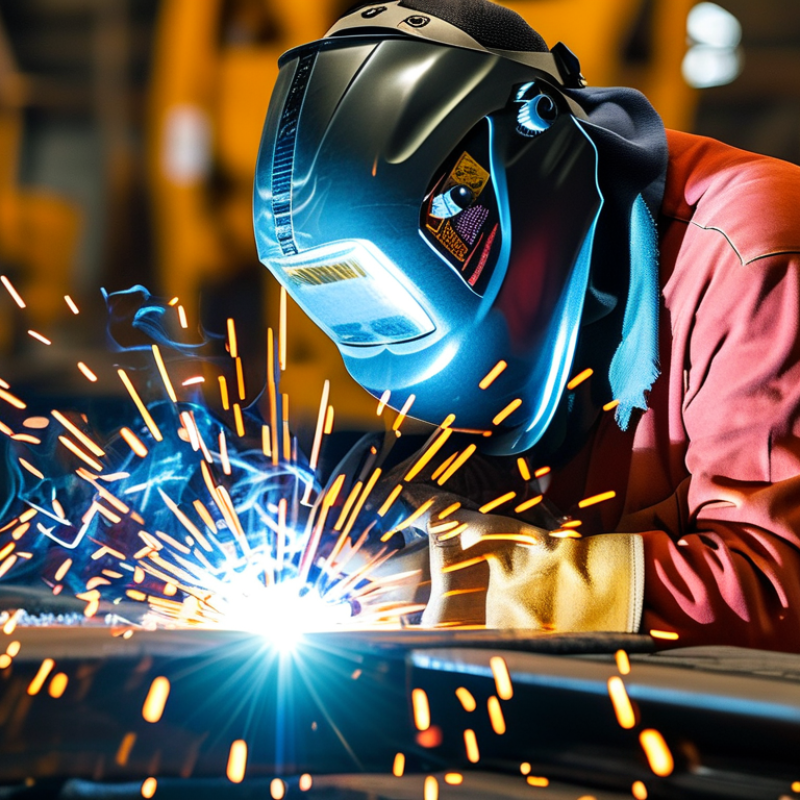
Submerged Arc Welding (SAW) wire plays a crucial role in the welding industry. It consists of a continuous filler wire that is fed automatically into the weld pool, often covered by a blanket of granular flux. This process allows for deeper penetration and higher deposition rates, making it highly efficient for thick materials.
Characteristics of SAW wire include its diameter, which typically ranges from 1.2 mm to 6.0 mm. The electrical conductivity and tensile strength are critical for optimizing the welding arc. Reports indicate that using the right wire can increase the welding speed by up to 40%, compared to other methods. Additionally, the flux acts as a protective shield, ensuring minimal contamination and cleaner welds.
Tips: Always monitor the wire feed speed to match the welding speed. Proper alignment of the wire can minimize defects. Consider different alloy compositions of the wire, as they can affect the final weld quality in specific applications. Remember, not all operations require the same wire, so do your research.
Types of Submerged Arc Welding Wire and Their Applications
Submerged Arc Welding (SAW) wire plays a vital role in modern welding applications. Different types of SAW wires are designed for specific tasks, impacting performance and efficiency. Various alloys are available, including low-alloy steels, stainless steels, and nickel-based wires. Each type offers unique properties to suit specific needs in construction, shipbuilding, and manufacturing.
Low-alloy SAW wires, for instance, provide strong toughness and excellent mechanical properties. They are frequently used in heavy industrial applications. Conversely, stainless steel wires resist corrosion, making them ideal for the food and medical industries. Their specific chemical compositions ensure effective bonding and reliability in demanding environments.
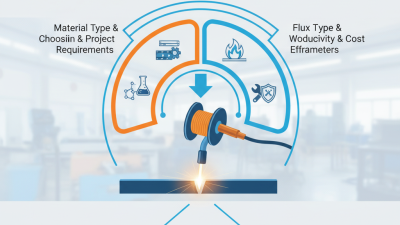
Tip: When selecting SAW wire, consider factors such as base material, thickness, and the welding environment. Ensure the wire matches the intended application for optimal results.
Many industries report that using the right SAW wire can enhance productivity by up to 30%. However, incorrect wire selection may lead to defects. Regular inspection and testing of wires can prevent costly mistakes. Always review tensile strength and impact resistance data to ensure compatibility with your applications.
The Process of Submerged Arc Welding and Wire Usage
Submerged Arc Welding (SAW) is a highly efficient welding process that utilizes a continuously fed filler wire and a granular flux. The process is characterized by a submerged arc, where the arc is formed beneath a layer of flux. This technique shields the weld from contamination, leading to cleaner and stronger welds. According to the American Welding Society, SAW can achieve a deposition rate of 20 to 30 pounds per hour, making it ideal for high-volume applications.
The wire used in submerged arc welding varies in diameter, typically ranging from 0.045 to 0.120 inches. This choice is critical as it influences both the weld quality and speed. Standard low-alloyed steel wires are common, chosen for their ability to provide excellent mechanical properties. However, using inappropriate wire types can lead to defects, such as lack of fusion or excessive spatter. Continuous training in wire selection is necessary to maximize efficiency and ensure weld integrity.
In practice, operators should continually assess the welding parameters, like voltage and travel speed. Manufacturers often provide guidelines, but real-world applications can differ significantly. Adjustments may be required based on the material thickness and type. For instance, using a larger diameter wire may necessitate alterations to the welding speed to maintain optimal penetration. Operators must remain vigilant about these details to avoid costly rework. Overall, understanding wire usage in SAW can significantly enhance productivity and quality.
What is Submerged Arc Welding Wire and How is it Used?
| Dimension |
Description |
| Welding Process |
Submerged Arc Welding (SAW) is an automated welding process that uses a continuously fed electrode and a blanket of granular flux. |
| Wire Type |
Welding wire used in SAW is typically a solid, carbon steel wire or a stainless-steel wire. |
| Flux Role |
The granular flux serves to protect the weld pool from atmospheric contamination and facilitates a smoother welding surface. |
| Welding Equipment |
SAW equipment includes a welding machine, electrode feed mechanism, and a flux delivery system. |
| Applications |
Commonly used in the construction of heavy steel structures, shipbuilding, piping, and large fabrication work. |
| Advantages |
High deposition rates, good control of welding heat, and excellent weld quality. |
| Limitations |
Not suitable for thin materials, and requires a thorough control of the flux to avoid contamination. |
Benefits and Limitations of Using Submerged Arc Welding Wire
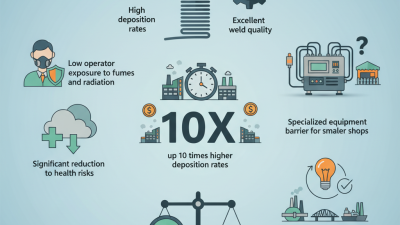
Submerged arc welding (SAW) wire provides unique advantages for industrial applications. One major benefit is the ability to make deep welds with minimal slag formation. This allows for better penetration and a smooth finish. The process is efficient, reducing the overall time and materials needed. It is ideal for thick materials often used in heavy-duty construction.
However, there are limitations to consider. The equipment required for submerged arc welding can be expensive. Training operators to use this technology safely and effectively takes time and resources. Additionally, it is less versatile compared to other welding processes. Certain positions and configurations may not be suitable for submerged arc welding, restricting its application.
Understanding the benefits and limitations enables informed decisions. While SAW wire can enhance productivity and quality, it is not a one-size-fits-all solution. Balancing cost with the project’s needs is essential. Some might find they need alternative welding methods for specific tasks, leading to further exploration and innovation in their welding processes.
Best Practices for Selecting and Storing Welding Wire
When selecting and storing submerged arc welding wire, proper practices are key to ensuring optimal performance. The quality of welding wire directly impacts joint strength and overall project integrity. According to the American Welding Society, improperly stored welding materials can lead to contamination, resulting in costly defects. It's crucial to keep welding wire in a clean, dry environment. Humidity can cause rust on wire surfaces, which may weaken welds.
Moreover, temperature fluctuations should be considered. Extreme conditions can degrade the wire, impacting its mechanical properties. A study by the European Institute of Welding found that consistent storage conditions can reduce defect rates by up to 30%. When choosing welding wire, consider factors such as diameter, alloy composition, and intended application. These details influence the wire's behavior during the welding process.
Additionally, practitioners should remain mindful of expiration dates. Welding wire can degrade over time, even in ideal storage conditions. Regular inventory checks help identify old stock. Implementing a first-in, first-out policy can ensure that materials are used effectively before they expire. Assessing these factors regularly can lead to better welding outcomes and minimize risks associated with inferior materials.