Top 10 Submerged Arc Welding Wire Types You Should Know?
Submerged Arc Welding (SAW) is a critical process in metal fabrication. It requires specific welding wires that are essential to achieving quality welds. According to industry expert Dr. Emily Johnson, "Choosing the right Submerged Arc Welding Wire can significantly impact the strength of the weld." Understanding the various types of welding wires available is vital for both novice and experienced welders.
In this article, we will explore the top ten Submerged Arc Welding Wire types you should know. Each of these wires has unique properties and applications. For example, some wires are designed for high tensile strength, while others are suitable for specific alloys. This variety can be overwhelming, but familiarity with each option can enhance your welding projects.
Ultimately, every welder should reflect on their specific needs before selecting a wire. Not all wires perform well in all conditions. Keep in mind that the best choice is not always the most expensive one. Being informed can lead to better decisions, ensuring that your projects meet professional standards.

Overview of Submerged Arc Welding and Its Applications
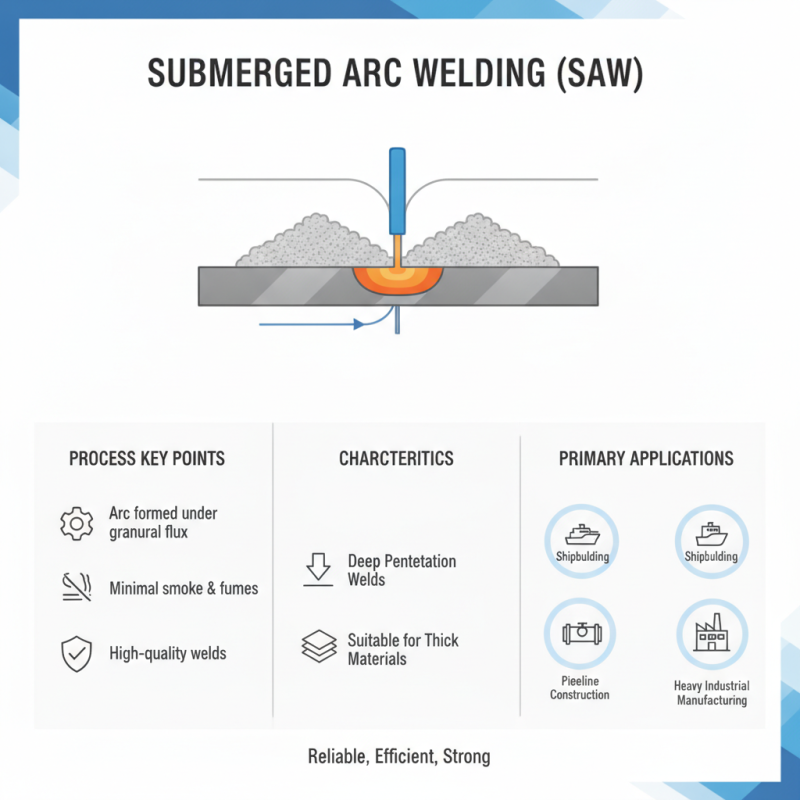
Submerged arc welding (SAW) is a popular method used in industrial manufacturing. It involves the formation of an arc between a continuously fed electrode and the workpiece. This process is known for producing high-quality welds with minimal smoke and fumes. SAW is often used in heavy industries such as shipbuilding and pipeline construction. It creates deep penetration welds, making it suitable for thick materials.
When considering SAW, selecting the right welding wire is crucial. Different wire types can influence the quality of the weld. Each wire has distinct properties tailored for specific applications. For instance, some wires are designed for high-strength materials, while others focus on improved ductility. It's essential to understand the application before choosing a wire type.
**Tip:** Always consult specifications for your material. Each welding project has unique needs, and the wrong wire can lead to defects.
Another factor to consider is the welding environment. Conditions like humidity and temperature can affect performance. Proper storage and handling of the wire can enhance its effectiveness.
**Tip:** Regularly check for rust or damage on the wire. A small imperfection can compromise the entire weld quality.
Being aware of these factors can help ensure successful projects. SAW continues to be a valuable technique in modern fabrication, but understanding the nuances is key.
Key Characteristics of Different Types of Welding Wires
Submerged Arc Welding (SAW) is a popular method for joining metals. The type of welding wire used can greatly influence the quality of the weld. Different wires have unique characteristics that affect strength, corrosion resistance, and overall performance.
Typically, alloyed wires offer improved mechanical properties. They can enhance the toughness and hardness of the weld. Some wires are designed specifically for high-temperature applications. These can withstand extreme stresses during operation. It’s crucial to select the correct type based on the project needs.
On the other hand, not all wires are flawless. Some may require additional pre-treatment for optimal performance. Inexperience with certain wire types can lead to poor welds. Testing different wires can yield better insights about their behavior. Understanding each wire's traits helps to refine your welding approach. Experimentation may lead to unexpected results, prompting important reflections.
Top 10 Submerged Arc Welding Wire Types
This chart displays the tensile strength of the top 10 submerged arc welding wire types. Each type has varying strengths suitable for different welding applications. Understanding these specifications helps in choosing the right wire for optimal performance in welding tasks.
Top 10 Submerged Arc Welding Wire Types Explained
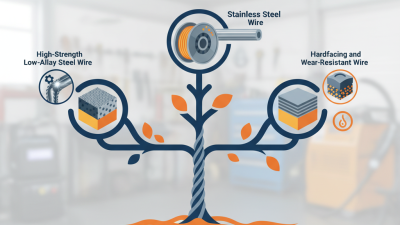
Submerged arc welding (SAW) is a highly efficient welding process known for its deep penetration and high deposition rates. Various wires are used in this technique, each suited for different applications. Key types include low-alloy wires for structural applications and stainless steel wires for corrosion resistance. The choice of wire affects weld quality and performance significantly.
Understanding each wire type is crucial for achieving desired results. For example, high manganese wires are ideal for tough steel structures. In contrast, copper-coated wires prevent oxidation during the process, ensuring a smooth finish. However, not every wire works seamlessly for all jobs. Some may require additional pre- or post-weld treatments, such as cleaning or heat treatment, to obtain the best results.
Selecting the right submerged arc welding wire also involves overcoming challenges. Welders must consider factors like heat input and material thickness. Each type may behave differently under various conditions. Incorrect wire choice can lead to poor weld quality or structural failures. Accuracy and knowledge are essential throughout the process to ensure reliability and performance.
Factors to Consider When Choosing Welding Wire
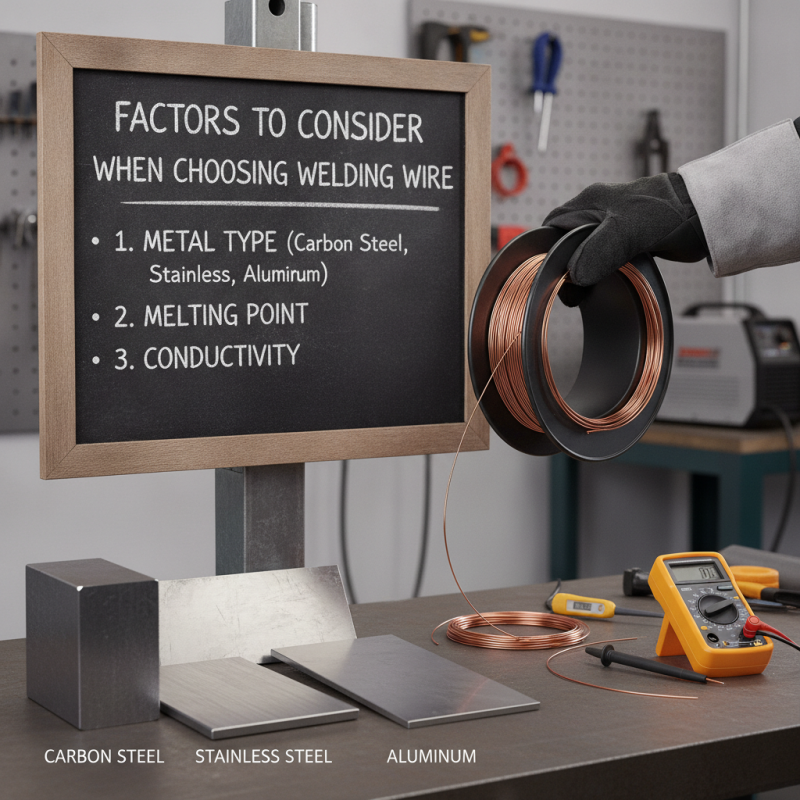
When choosing welding wire, several factors come into play. The type of metal being welded greatly influences your choice. Different metals require specific wire compositions for effective results. For example, carbon steel, stainless steel, and aluminum all have unique requirements. The melting point and conductivity of the wire are also vital considerations. Selecting the right wire can improve your efficiency and the overall quality of the weld.
Another important aspect is the wire's diameter. Thicker wires can handle higher amperages, making them suitable for heavy-duty applications. However, they may not be ideal for thinner materials. Wire feed speed is crucial too. A faster feed rate can lead to excessive spatter, which can affect the quality of the work. It’s essential to balance these factors based on your project needs to avoid mistakes.
Environmental conditions shouldn’t be overlooked. Humidity and temperature can impact wire performance. You may find that certain wires perform well in specific conditions but not others. Evaluating these factors thoughtfully ensures a more reliable outcome in your welding projects. Always reflect on your past choices to improve future results.
Comparative Analysis of Wire Performance in Various Environments
In the world of submerged arc welding (SAW), wire performance can significantly vary depending on environmental conditions. The microstructure of the wire plays a crucial role in its ability to withstand extreme temperatures and stress. A study by the American Welding Society indicates that different wire compositions yield varying levels of tensile strength in both dry and humid environments. For instance, wires with higher manganese content demonstrate enhanced resistance to cracking, making them suitable for marine applications.
When evaluating wire types, it's essential to consider their flux characteristics. Self-fluxing wires can provide better protection against contaminants, but may not perform as well in high-stress conditions. In contrast, fused flux wires show promising results under severe thermal cycles. A recent report highlighted that wires with optimized silica content can withstand up to 20% more thermal expansion without compromising weld integrity. Still, one must question the trade-offs, as increased silica may lead to a fragile final product.
Every welding environment is unique, and selecting the right wire is critical. Understanding the specific requirements can prevent failures. Continuous testing and recalibration of wire types according to environmental factors can be a notable challenge. Industrial feedback emphasizes a necessity for ongoing research to create versatile wires suitable for varied conditions.
Top 10 Submerged Arc Welding Wire Types You Should Know
| Wire Type |
Alloy Composition |
Welding Application |
Performance Characteristics |
Suitable Environments |
| E7018 |
Mild Steel |
Structural Steel |
Excellent ductility and impact resistance |
General Construction |
| E309 |
Stainless Steel |
Steel to Stainless Welds |
High-temperature strength and corrosion resistance |
Food Processing, Chemical Plants |
| E7016 |
Low Hydrogen Steel |
Heavy Construction |
Strong welds with minimal cracking |
Structural Applications |
| E6203 |
Nickel-Based |
High Strength Applications |
Excellent corrosion resistance |
Oil and Gas Industry |
| E7010 |
High-Strength Low-Alloy Steel |
Pipeline Construction |
Excellent penetration and high toughness |
Rugged Environments |
| E7011 |
Mild Steel |
Repair and Fabrication |
Versatile performance with good penetration |
General Use |
| E310 |
Stainless Steel |
Dissimilar Materials |
Excellent toughness and corrosion resistance |
High-temp Environments |
| E2209 |
Duplex Stainless Steel |
Marine Applications |
Good resistance to pitting and crevice corrosion |
Coastal Settings |
| E410NiMo |
Nickel-Molybdenum Alloy |
Pressure Vessels |
Excellent heat and corrosion resistance |
High-pressure Environments |
| E10018 |
High-Alloy Steel |
Heavy Machinery |
Superior strength and crack resistance |
Tough Conditions |