2026 Top Trends in Prefabricated Steel Structures for Buyers?
The world of construction is rapidly evolving, especially in the realm of Prefabricated Steel Structures. Experts in this industry are consistently exploring new ways to optimize design and efficiency. John Smith, a renowned architect specializing in steel structures, asserts, “Prefabricated Steel Structures are not just about speed; they redefine the boundaries of contemporary design.”
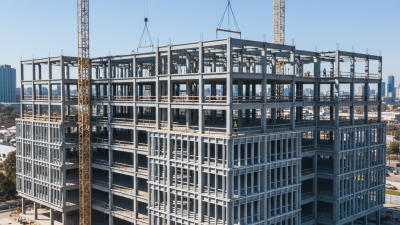
As we approach 2026, key trends emerge that will shape buyer decisions. Advances in technology are paving the way for innovative designs and sustainable solutions. The importance of modular construction continues to gain traction. These structures offer flexibility in design and speed up the construction process, which is critical in today’s fast-paced market.
Yet, challenges remain. Buyers often find it hard to choose the right materials and design. Balancing cost and quality can be daunting. This dynamic environment calls for informed decisions backed by expert insights. Understanding these trends will empower buyers to navigate the complexities of Prefabricated Steel Structures with confidence.
Emerging Technologies in Prefabricated Steel Structures for 2026
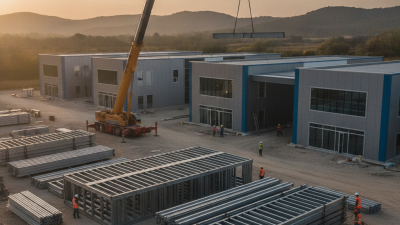
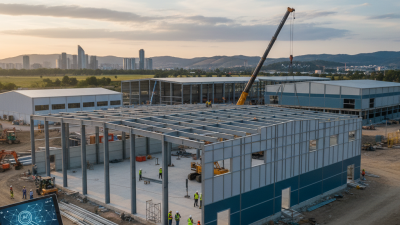
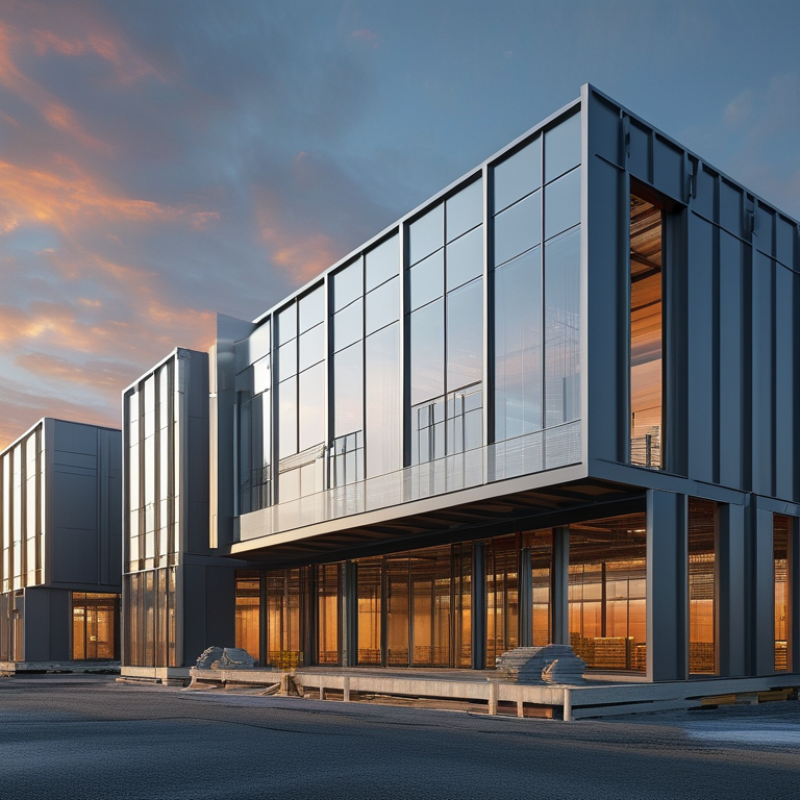
Emerging technologies are transforming the landscape of prefabricated steel structures. In 2026, look for innovations that enhance efficiency and sustainability. Modular construction, for instance, is gaining traction. It allows manufacturers to create components in a controlled environment. This reduces waste and improves quality control.
3D printing is another exciting development. It enables the rapid production of complex steel elements. This technology can lead to unique architectural designs. Customization becomes simpler, making structures more aesthetically pleasing and functional. Additionally, robotics are streamlining assembly processes. Automated systems can build with greater precision than ever before.
However, challenges remain. The integration of new technologies can be costly. Companies need to weigh the benefits against initial investments. Workforce training is also essential. Workers must adapt to new tools and methods. As these technologies evolve, continuous learning will be vital for success.
2026 Top Trends in Prefabricated Steel Structures for Buyers
| Trend |
Description |
Impact |
Emerging Technologies |
| Modular Construction |
Use of prefabricated modules to streamline the building process. |
Increases efficiency and reduces time on site. |
3D Printing, Automation |
| Sustainable Materials |
Incorporating recyclable and eco-friendly materials in designs. |
Reduces environmental impact and increases market appeal. |
Biodegradable coatings, Recycled steel |
| Smart Building Technologies |
Integration of IoT for monitoring and managing building systems. |
Enhances energy efficiency and occupant comfort. |
IoT Sensors, AI-based management systems |
| Advanced Fabrication Techniques |
Utilizing robotics and CNC machinery for precision fabrication. |
Improves quality and reduces waste during construction. |
Robotic arms, CNC laser cutting |
| Customizable Designs |
Offering buyers the ability to customize layouts and features. |
Enhances customer satisfaction and meets diverse needs. |
Modular design software, Virtual reality tools |
Sustainability Trends: Eco-friendly Practices in Steel Prefabrication
Sustainability is becoming central in the construction industry, especially in prefabricated steel structures. Many companies are adopting eco-friendly practices to meet growing environmental demands. This shift includes using recycled materials in production. Such approaches not only lower carbon footprints but also reduce waste in the manufacturing process.
Innovative designs now incorporate energy-efficient methods. Solar panels and green roofs are gaining popularity, enhancing energy savings. Yet, the industry faces challenges. Many builders lack knowledge about sustainable materials. There is a need for training and education in eco-friendly practices. The push for sustainability may sometimes clash with budget constraints. Striking a balance is crucial for long-term benefits.
Construction waste remains a significant concern. Some prefabricated steel components could be better designed for reuse and recycling. While progress is evident, there's more work to be done. Continued investment in research will be vital for developing sustainable solutions. The industry must regularly assess its practices to truly embrace eco-friendliness.
Design Innovations: Aesthetic and Functional Advances in Steel Structures
The landscape of prefabricated steel structures is evolving rapidly. Aesthetic and functional innovations are reshaping design trends. According to a recent report by the Steel Construction Institute, the market for prefabricated structures is projected to grow by 8% annually through 2026. This growth is driven by advancements in technology and materials.
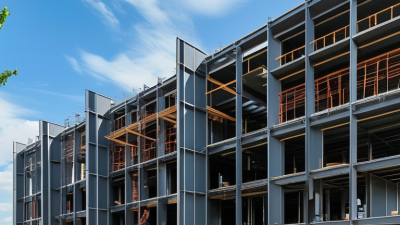
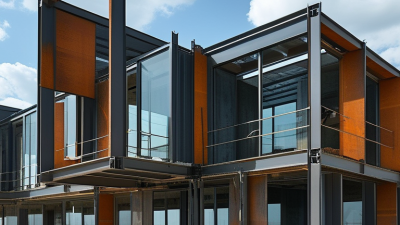
Modern designs emphasize not just strength but also beauty. Architects are exploring creative forms that enhance visual appeal while maintaining functionality. For instance, the integration of solar panels into steel frameworks offers energy efficiency. Furthermore, the use of corrosion-resistant coatings improves longevity. However, the enduring challenge is balancing aesthetics with structural integrity. Steel must remain robust despite innovative design choices.
Tip: When considering a prefabricated steel structure, focus on sustainability. Look for materials that reduce environmental impact. Collaborate with design professionals who prioritize both beauty and durability. Addressing potential weaknesses in design early can save costs later.
A study by the American Institute of Steel Construction highlights the importance of flexibility in design. Customization allows structures to adapt over time. This flexibility can be a double-edged sword. While it offers variety, it may complicate the construction process. Assessing the site and future needs is crucial for long-term success in prefabricated steel projects.
Market Demand: Factors Driving Growth in Prefabricated Steel Buildings
The demand for prefabricated steel buildings is rising, driven by various factors. One significant aspect is the efficiency they offer. These structures can be assembled quickly, minimizing construction delays. This speed helps project managers meet tight timelines and reduces labor costs. Furthermore, steel’s durability makes these buildings ideal for diverse climates.
Environmental awareness is also a key driver in this market. Buyers increasingly seek sustainable solutions. Prefabricated steel structures minimize waste during construction. They can be recycled at the end of their lifecycle, making them an eco-friendly choice. Many companies are prioritizing green building practices, influencing market dynamics.
Tip: Consider the specific needs of your project. Evaluating site conditions can greatly influence your choice of structure. Also, familiarize yourself with local building codes before making decisions.
Another aspect is customization. Buyers want buildings tailored to their requirements. Prefabricated steel structures allow for flexibility in design. Still, it’s crucial to understand the balance between customization and cost.
Tip: Engage with experienced builders to explore options. Their insights can save you time and resources. Research trends regularly; the market is constantly evolving.
Cost Efficiency: Financial Benefits of Utilizing Prefabricated Steel Solutions
The financial benefits of prefabricated steel structures are increasingly clear. Industry reports indicate that using these solutions can reduce construction costs by up to 30%. This efficiency is largely due to shorter construction times and reduced labor expenses. Less time on site means lower overhead costs. For busy projects, this can be a game changer.
Moreover, prefabricated steel components often require less maintenance compared to traditional materials. A study from the American Institute of Steel Construction highlights that steel structures have a lifespan of 50 years, significantly outperforming many alternatives. This longevity translates into fewer unforeseen expenses. It’s not just about upfront costs; long-term savings are critical for budget-conscious buyers.
However, some challenges remain. Customization options can be limited, leading to potential project inflexibilities. Buyers should weigh these factors against cost benefits. Engaging with experienced contractors can aid in navigating these trade-offs. Choosing the right materials is crucial for maximizing the advantages of prefabricated steel. Each project must be carefully evaluated to ensure the approach aligns with specific needs and objectives.