inquiry
Leave Your Message

Top 10 Benefits of Prefabricated Steel Structures for Modern Construction?

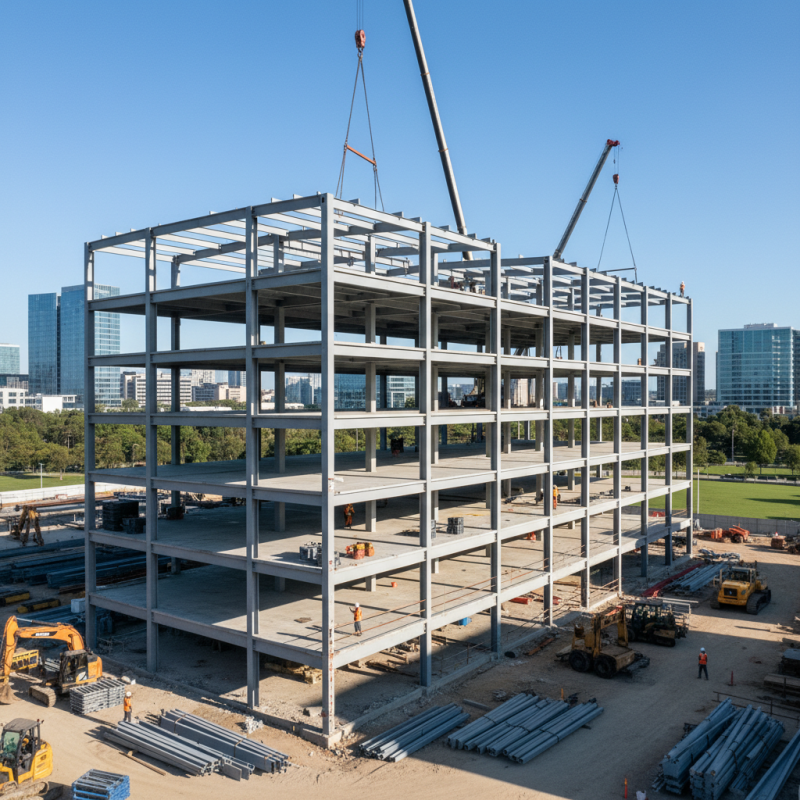
In the ever-evolving landscape of construction, **Prefabricated Steel Structures** have emerged as a game changer. These structures offer unique advantages that make them a preferred choice for modern projects. The use of steel enables faster construction times, reducing delays often associated with traditional methods.

Moreover, these structures are remarkably durable and versatile. They withstand extreme weather conditions, ensuring long-term stability. This resilience often translates to lower maintenance costs over time, fostering economic efficiency. However, one must reflect on potential drawbacks, such as initial costs and design flexibility.

Another critical aspect is sustainability. **Prefabricated Steel Structures** can be crafted from recycled materials, promoting environmentally responsible building practices. Yet, these structures may not suit every project type or aesthetic preference. Balancing functionality and design remains essential in the journey towards modern construction excellence.
Top 10 Benefits of Prefabricated Steel Structures for Modern Construction?

Overview of Prefabricated Steel Structures in Modern Construction

Prefabricated steel structures are reshaping modern construction. They offer numerous advantages. According to a recent report by the Global Prefabrication Market, demand for such structures is expected to grow by 6.5% annually. This growth is driven by their efficiency and sustainability.

Constructing with prefabricated steel significantly reduces construction time. Projects can be completed 30% faster compared to traditional methods. This speed leads to lower labor costs and quicker returns on investment. Moreover, these structures show exceptional durability. Steel reduces the risk of damage during transportation and installation.

Tip: When considering prefabricated options, assess local regulations. Understanding codes can prevent costly delays.

Prefabricated steel also promotes a greener approach to construction. The use of recycled materials is common. In fact, up to 90% of steel can be recycled. This process minimizes waste and decreases a project's carbon footprint. However, sourcing quality materials is crucial. Not all suppliers adhere to the best practices. Engaging with certified suppliers ensures the integrity of the final product.

Tip: Look for suppliers with a strong sustainability record. Their compliance can make a significant difference in project outcomes.
Cost Efficiency of Prefabricated Steel Structures Compared to Traditional Methods

Prefabricated steel structures are gaining traction for their cost efficiency in modern construction. They are manufactured offsite, which significantly reduces labor costs. Traditional methods often require more on-site work, leading to higher expenses. By minimizing on-site labor, companies can also reduce project timelines. This efficiency translates into financial savings, making steel structures an attractive option.

Moreover, the material itself is often more affordable over the long term. Steel is durable and requires less maintenance than wood or concrete. However, initial costs can vary based on local pricing fluctuations. Some projects may face hurdles with sourcing. Budget constraints can influence the type of structure used. Yet, in many cases, prefabricated solutions lead to a better return on investment.

Prefabrication also minimizes waste. Construction projects can generate significant leftover materials. Prefabricated methods optimize material usage, cutting down on excess. Reducing waste contributes to sustainability goals, though challenges in recycling steel still exist. It's essential for contractors to assess local recycling capabilities. Those who embrace prefabricated structures often find they can innovate while controlling costs effectively.

Top 10 Benefits of Prefabricated Steel Structures for Modern Construction

Benefit Description Cost Efficiency
Speed of Construction Prefabricated components reduce on-site assembly time, allowing faster project completion. Decreased labor costs due to shorter project duration.
Quality Control Components are manufactured in controlled environments, enhancing quality assurance. Reduction in costs associated with rework and defects.
Flexibility in Design Custom designs can be easily accommodated with prefabricated materials. Potential savings from reduced need for extensive redesigns.
Reduced Material Wastage Precision manufacturing minimizes excess material usage. Lower material costs and disposal fees.
Sustainability Steel is recyclable and has a lower environmental impact compared to traditional materials. Potential tax credits and savings from sustainable building practices.
Scalability Easily expandable for future growth without significant disruption. Cost-effective expansion options increase long-term value.
Safety Reduced on-site construction time lowers the risk of accidents. Decreased costs related to insurance and liability issues.
Weather Resistance Steel structures are less affected by adverse weather conditions during construction. Lower potential costs for delays and damages due to weather.
Economical Maintenance Durable materials reduce the frequency and cost of repairs. Long-term savings on operation and maintenance expenses.
Aesthetics Modern designs can be achieved with steel structures that enhance visual appeal. Higher property value can lead to increased financial returns.

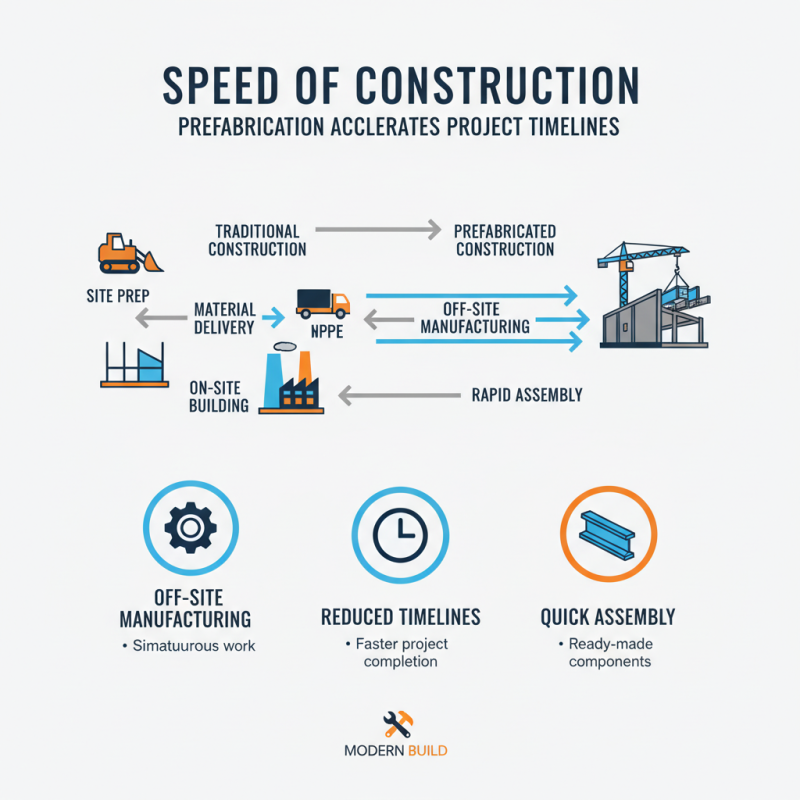
Speed of Construction: How Prefabrication Accelerates Project Timelines

Top 10 Benefits of Prefabricated Steel Structures for Modern Construction?

Prefabricated steel structures are revolutionizing modern construction. The speed of construction is one of their most significant advantages. With prefabrication, components are manufactured off-site, allowing for simultaneous site preparation. This coordination reduces overall project timelines substantially. Instead of waiting for materials to arrive, builders can begin assembly quickly.

Using prefabricated steel also minimizes on-site labor, which speeds things up further. Workers focus on assembling pre-made parts. Traditional construction methods often face delays due to weather or labor shortages. Yet with prefabrication, these concerns are lessened, and projects often meet tight deadlines.

One challenge remains, though: precision. While prefabricated parts are designed for efficiency, they demand exact measurements. Any errors can lead to significant rework, affecting timelines. It's essential for teams to collaborate closely during the design phase to ensure everything fits perfectly on-site. The benefits of speed and efficiency are clear, but they require careful planning.

Sustainability and Environmental Benefits of Steel Prefabrication

Prefabricated steel structures are gaining popularity for their sustainability in modern construction. According to a report by the World Steel Association, steel recycling saves around 1.5 billion tons of CO2 annually. This remarkable figure highlights the significant environmental advantages of utilizing steel in building projects. Steel can be recycled repeatedly without losing its quality. This attribute contributes to reducing waste and supports circular economy principles.

Energy efficiency is also a key benefit of steel prefabrication. A study conducted by the National Institute of Standards and Technology points out that steel structures can reduce energy consumption in construction by up to 60%. Prefabrication minimizes on-site waste and accelerates the construction process. The reduction in time spent on site not only cuts down labor costs but also lowers the project's carbon footprint.

However, the environmental impact isn't solely positive. Steel production is energy-intensive and can generate significant greenhouse gas emissions if sourced irresponsibly. To address this challenge, adopting renewable energy sources in manufacturing is essential. As the industry evolves, achieving a balance between efficiency and sustainability remains a critical reflection point. Sustainable steel production methods are necessary for the future of the construction sector.

Top 10 Benefits of Prefabricated Steel Structures for Modern Construction

Design Flexibility and Customization Options in Prefabricated Steel Structures

Prefabricated steel structures offer remarkable design flexibility and customization options that appeal to modern architects and builders. Builders can easily modify designs to meet specific project requirements. The modular nature allows for unique shapes, sizes, and configurations, enabling creativity in construction.

For instance, a designer might want a non-traditional roofline or expansive open spaces. Prefabricated steel can accommodate such requests without compromising structural integrity. Customization extends beyond dimensions. Facades can be altered with various finishes, colors, and textures to achieve aesthetic goals while maintaining durability.

This design flexibility, however, can pose challenges. Rapid design changes may lead to mismatches in production schedules. Adequate communication is essential throughout the process. Striking a balance between creative vision and practical limitations is crucial for success. Ultimately, prefabricated steel structures facilitate innovative designs while inviting a dialogue about efficiency and customization.