2026 Best Structural Metal Beams for Global Buyers?
The demand for Structural Metal Beams continues to grow globally. As infrastructure projects increase, the need for strong and durable materials becomes critical. According to a report from Smith & Associates, the global market for structural steel beams is expected to rise by 5% annually until 2026. This growth reflects the industry's need for innovation and efficiency.
Expert James Thompson, a leading figure in structural engineering, emphasizes the importance of steel beams. He states, "The choice of structural metal beams can determine the success of a construction project." His insight highlights the necessity for buyers to select the right materials to ensure stability and safety.
Buyers face challenges in making informed decisions. The variety of available options can be overwhelming. It is essential to understand the specifications and applications of different types of structural metal beams. Without careful consideration, projects could suffer from structural failures or increased costs. Therefore, this guide aims to help global buyers navigate through the complexities of selecting the best structural metal beams in 2026.
Overview of Structural Metal Beams and Their Applications
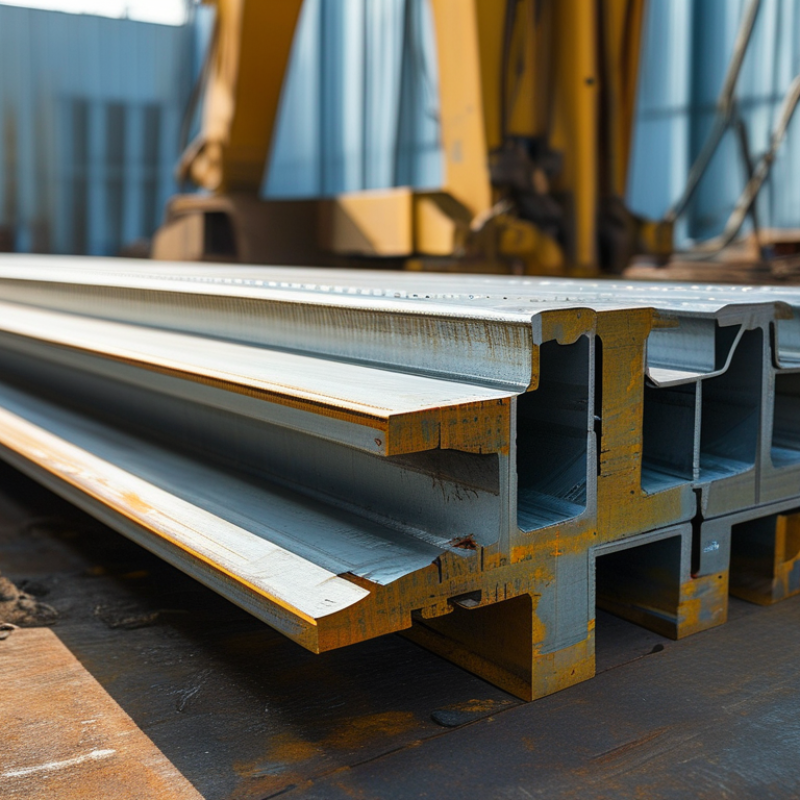
Structural metal beams are essential in modern construction. They provide the backbone for various structures, from skyscrapers to bridges. These beams are typically made from steel or aluminum due to their strength and durability. Their applications are vast, covering residential, commercial, and industrial projects.
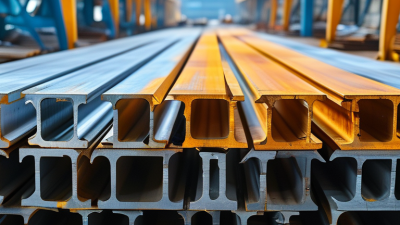
The design of structural beams varies significantly. Different shapes, such as I-beams and H-beams, offer unique benefits. I-beams are favored for their efficiency in load-bearing. On the other hand, H-beams are known for their stability and are ideal for larger constructions. Understanding these differences is crucial for engineers and builders.
However, choosing the right type of beam can be challenging. Factors like load requirements, environmental conditions, and cost need consideration. Many buyers overlook the importance of proper installation. Poor installation can lead to structural failures. Ensuring experienced professionals handle installation is vital for safety and longevity.
Types of Structural Metal Beams Available in the Global Market
The global market for structural metal beams includes various types tailored for different applications. Commonly used materials include steel and aluminum, known for their strength and durability. According to a report by Smithers Pira, the global steel beam market is expected to reach $200 billion by 2026. This indicates a robust demand for reliable materials in construction and infrastructure projects.
I-beams and H-beams are widely recognized in the industry for their load-bearing capabilities. I-beams are ideal for high-rise buildings, offering a good balance of strength and weight. On the other hand, H-beams provide greater structural stability, making them suitable for bridges and large warehouses. Additionally, cold-formed steel beams are gaining traction due to their lightweight characteristics and cost-effectiveness, particularly in regions where weight reduction is a priority.
However, the market faces challenges, such as fluctuating raw material prices and environmental concerns surrounding production methods. The steel industry has been under pressure to adopt greener practices. Buyers may find it difficult to navigate these complexities, highlighting the need for careful evaluation when selecting structural beams. It's essential to understand the implications of these factors on the overall project budget and timelines.
Factors to Consider When Selecting Structural Metal Beams
When selecting structural metal beams, several factors come into play. The first consideration is the material type. Common options include steel and aluminum. Steel beams are known for their strength, while aluminum beams offer lightweight benefits. Evaluate the specific needs of your project. A heavier beam may be necessary for load-bearing tasks. Conversely, lightweight materials can enhance flexibility.
Another factor is corrosion resistance. Environments that expose beams to moisture or chemicals require more durable options. Coatings can provide additional protection but may increase costs. Assessing the life cycle of the beam is essential. Understanding maintenance requirements can save time and money in the long run.
Lastly, beam dimensions matter greatly. Measuring the span, depth, and width accurately is crucial. Miscalculations can lead to structural failures. It’s wise to consult with engineers or professionals to ensure proper alignment with industry standards. This not only boosts reliability but also enhances project longevity. Each of these factors requires careful thought and consideration to ensure that the chosen beams meet safety and performance standards.
Top Manufacturers and Suppliers of Structural Metal Beams Worldwide
The structural metal beam market is evolving rapidly. In 2021, the global structural steel market size was valued at over $150 billion and is projected to grow at a CAGR of 6% through 2026. This growth is fueled by rising infrastructure projects worldwide. Demand for durable, lightweight materials is paramount. Advanced manufacturing techniques enhance the strength-to-weight ratio of beams, making them more appealing to architects and engineers.
Top manufacturers and suppliers play a crucial role in this landscape. Countries like China, the USA, and Germany dominate production. They focus on quality control and innovative processes to ensure reliability in construction. However, challenges like fluctuating raw material prices and environmental regulations can impact supply chains. Many suppliers are adopting sustainable practices to mitigate these issues.
While the future looks promising, there are areas needing improvement. Consistency in product quality remains a significant concern. Additionally, the industry must address skill shortages in manufacturing. Finding skilled labor is increasingly difficult as older workers retire. Striking a balance between innovation and traditional expertise will be vital for sustained growth.
2026 Best Structural Metal Beams for Global Buyers
Future Trends in Structural Metal Beam Technology and Design
The future of structural metal beam technology is rapidly evolving. New materials and design approaches are redefining industry standards. According to a recent industry report, the global structural steel market is projected to grow by 5% annually until 2026. This growth is driven by increasing urbanization and infrastructure development worldwide.
Emerging trends include the use of high-strength steel and composite materials. These innovations enhance beam performance while reducing weight. A study highlights that using advanced steel grades can lead to a 15% reduction in material costs. Designers are also focusing on sustainability. Recycled steel is becoming a preferred choice. This shift not only lowers environmental impact but can also improve resource efficiency.
Building Information Modeling (BIM) is gaining traction in beam design. This technology helps in visualizing projects more effectively. However, it requires skilled labor and can be resource-intensive. Businesses must navigate these challenges while reaping the benefits of modern technology. Integration of AI in design processes is still in nascent stages, and its long-term implications are yet to be fully understood. As the industry adapts, the dialogue around safety, efficiency, and sustainability continues to evolve.