China Top 10 Structural Metal Beams for Construction Projects?
The construction industry in China is experiencing remarkable growth, and structural metal beams play a crucial role. According to a report by the Global Construction Review, the market for structural metal beams is expected to reach $100 billion by 2025. This growth highlights the increasing importance of durable and efficient beam solutions in construction projects.
Dr. Wei Zhang, a leading expert in structural engineering, emphasizes the importance of these materials. He states, “Structural metal beams offer strength and flexibility that traditional materials cannot match.” As construction projects become more complex, the need for innovative structural solutions increases. However, there are challenges, such as ensuring proper steel quality and meeting safety standards.
Different types of structural metal beams, including I-beams and H-beams, serve various purposes. While some projects succeed with advanced designs, others struggle due to poor material choices. This inconsistency in project outcomes raises questions about the industry's practices. It invites reflection on how current standards can evolve to meet future demands.
Overview of Structural Metal Beams Used in Construction Projects
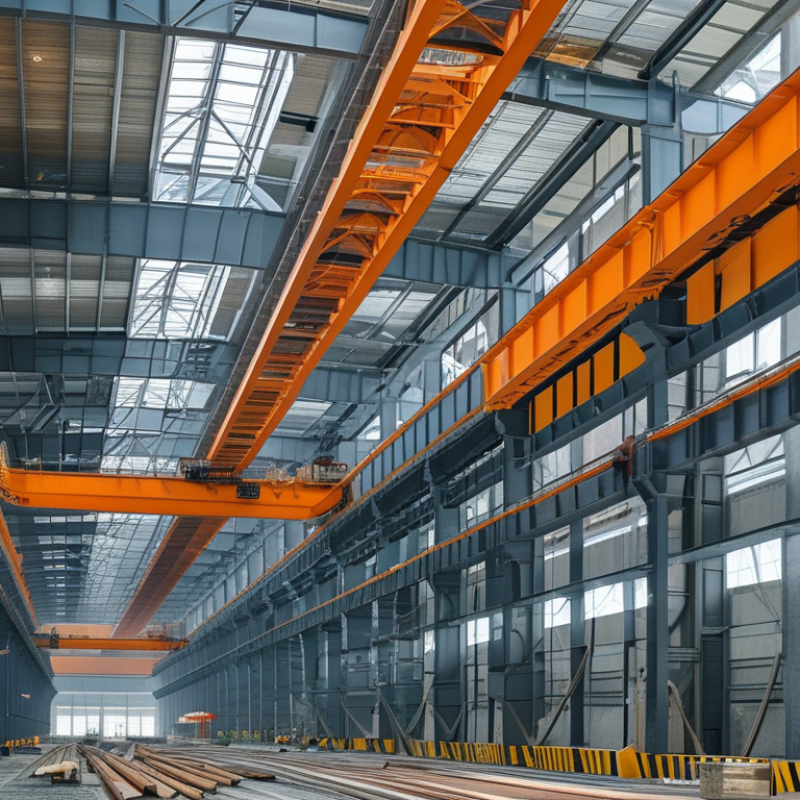
Structural metal beams play a crucial role in construction projects across China. These beams provide essential support for buildings and infrastructure. Common types include I-beams, H-beams, and channel beams. Each type has specific applications and advantages. For instance, I-beams are often used for their high strength-to-weight ratio. They are ideal for both commercial and residential structures.
In recent years, the demand for these beams has grown significantly. This surge is driven by a booming construction sector. However, not all metal beams are created equal. Quality can vary, making it essential to choose wisely. Inspecting the material and finishing is vital, as flaws can lead to structural instability. Additionally, sourcing from reputable suppliers is crucial.
Environmental factors must also be considered. Metal beams can be affected by corrosion in humid areas. Thus, protective coatings are often necessary. There is also the challenge of sustainability. The production of metal beams can have a significant carbon footprint. Exploring recycled materials is an ongoing conversation in the industry. Paying attention to these details ensures long-lasting and safe construction projects.
Key Characteristics and Benefits of Structural Metal Beams
Structural metal beams play a crucial role in construction projects. Their strength and durability make them an ideal choice for various applications. These beams are designed to bear heavy loads, ensuring stability in buildings. Their resistance to warping and corrosion adds to their appeal for long-term use.
One significant characteristic of structural metal beams is their versatility. They can be adjusted to fit different designs easily. This adaptability can lead to innovative architectural solutions. Moreover, metal beams are lightweight compared to other materials, reducing transportation and installation costs. They have the ability to span long distances without compromising strength.
However, not all metal beams are created equal. The quality of the steel used impacts their performance. It’s essential to understand different grades and specifications. In some cases, overly thick beams may be chosen, leading to unnecessary weight and cost. Balancing strength and economy is vital for successful construction. Additionally, careful inspection during installation can prevent long-term issues.
Top 10 Structural Metal Beam Types in China
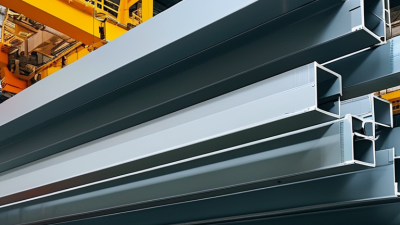
Structural metal beams are crucial in modern construction projects. In China, various types are widely used, each serving specific functions. Among these, the I-beam and H-beam are particularly popular. I-beams offer high strength-to-weight ratios, making them efficient for most structures. Meanwhile, H-beams provide better load distribution and stability, essential for larger buildings.
According to a report from the China Steel Industry Association, the demand for steel beams is projected to grow by 4.5% annually. This growth reflects ongoing urbanization and infrastructure development. Moreover, the use of galvanized beams has also increased due to their corrosion resistance. Reports indicate that these beams contribute to extended lifespans for structures, reducing long-term maintenance costs.
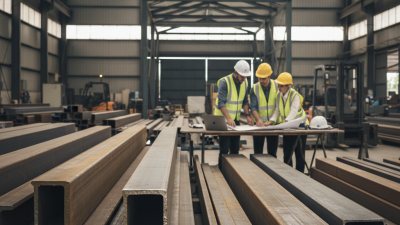
Despite these advancements, there are challenges in material quality. Some manufacturers may cut corners, leading to inconsistencies in beam strength. Quality control measures must be stringent to ensure safety and reliability. The construction industry must remain vigilant, promoting best practices to enhance overall project integrity.
Top 10 Structural Metal Beams for Construction Projects in China
Applications of Structural Metal Beams in Various Construction Projects
Structural metal beams play a crucial role in various construction projects. They provide essential support and stability, forming the backbone of buildings, bridges, and other infrastructures. In residential projects, beams are used to create open floor plans, allowing for more spacious interiors. High-strength steel or composite materials are often selected for their durability and ability to withstand significant loads.
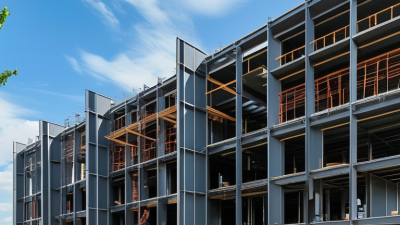
In commercial buildings, large-span beams enable expansive areas without columns. This design flexibility is vital for retail spaces and warehouses. Additionally, metal beams are integral in high-rise construction, where wind and seismic factors must be considered. Accurate calculations and precise installation are crucial, as errors can lead to structural weaknesses. Despite advancements, some projects still face challenges in beam alignment during assembly.
Industrial applications also rely heavily on structural beams. They support heavy machinery and ensure operational efficiency in factories. Outside construction, they serve in infrastructural projects like bridges, requiring careful material selection to withstand environmental conditions. Builders must continuously evaluate effective solutions while revisiting past projects for improvements. Effective collaboration among engineers and contractors can enhance outcomes.
Factors to Consider When Selecting Structural Metal Beams for Construction
When selecting structural metal beams for construction, several critical factors come into play. The material type, such as steel or aluminum, has a significant impact on strength and weight. A recent report from the Global Steel Institute highlights that steel beams can offer over 70% more tensile strength than their aluminum counterparts. However, aluminum beams are lighter and may reduce overall transport costs.
The beam's size and shape are also essential. Standard I-beams provide excellent strength and stability, but their design may not always suit specific structural needs. Construction practices reveal that custom profiles often perform better in unique applications. The American Institute of Steel Construction emphasizes that accurate load calculations are vital. Misjudging these can lead to safety hazards or structural failures.
Cost-effectiveness cannot be overlooked. A tight budget might push some toward lower-grade materials. However, investing in high-quality beams can prevent expensive repairs down the line. Not all projects can afford the latest innovations. Construction professionals often struggle with balancing cost and quality, requiring careful consideration throughout the selection process.