2026 Best Submerged Arc Welding Wire for Global Buyers?
In the rapidly evolving world of welding, the selection of the right materials is crucial. For global buyers, understanding the nuances of "Submerged Arc Welding Wire" can make a significant difference in project outcomes. According to welding expert Dr. Emily Carter, “Choosing the right welding wire is as important as the welding technique itself.” Her insights highlight the critical role of quality materials in achieving superior weld integrity.
As industries advance, the demand for high-performance welding wires increases. Submerged arc welding is favored for its efficiency and deep weld penetration. Buyers must navigate various products that claim to meet their needs. Knowledgeable decisions can lead to enhanced productivity and reduced costs. Yet, the array of options can be overwhelming.
While many products are available, not all deliver on quality promises. Some wires may fail to meet industry standards, affecting the final results. Therefore, buyers must research thoroughly before making a choice. It’s clear that the best Submerged Arc Welding Wire is not merely about price; it’s about ensuring reliability and performance. Understanding these factors is essential for successful welding operations.
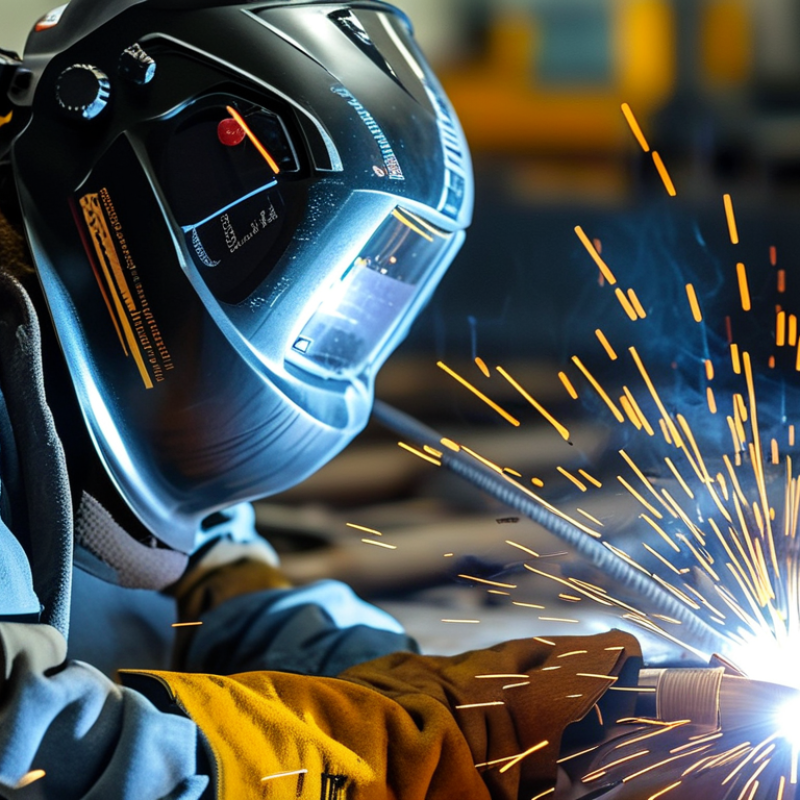
Understanding Submerged Arc Welding (SAW) and Its Applications
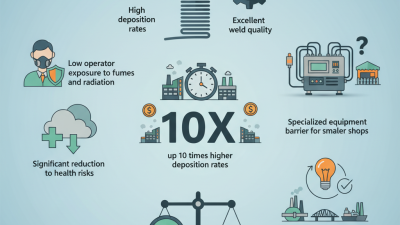
Submerged Arc Welding (SAW) is an efficient welding process, primarily used for thick materials. It involves the use of a continuously fed electrode submerged beneath a granular flux. This process produces minimal spatter and offers high resistance to certain environmental impacts. SAW is widely respected in various industries, particularly in construction and heavy manufacturing.
One key application of SAW is in fabricating large components. Industries often rely on this method for creating pipelines and ships. These projects require strong, durable welds, which SAW provides. The ability to weld in multiple positions enhances its versatility. However, operators must be adequately trained to maximize efficiency and minimize defects.
While SAW has many advantages, it is not without challenges. The need for a consistent supply of flux can lead to issues. Additionally, operators must maintain a keen eye on the machine settings. Regular inspections and adjustments are crucial to avoid weld failures. Understanding these aspects can enhance the overall welding process, making SAW a favored choice among professionals.
Key Features and Specifications of High-Quality SAW Wire
When selecting submerged arc welding (SAW) wire, understanding key features is essential. High-quality SAW wire typically contains a blend of alloying elements. These elements enhance strength and corrosion resistance. According to industry reports, the ideal wire composition should include manganese, silicon, and nickel for optimal performance.
Welders often overlook the importance of proper diameter. The wire diameter impacts the weld pool and bead profile significantly. A standard diameter range is 1.2 mm to 3.2 mm, catering to various applications. Monitoring the productivity rates is crucial. A well-chosen wire can increase efficiency by up to 30%.
Filler metal properties are another critical aspect. Specific conductivity and melting characteristics affect the weld’s overall quality. A report by the American Welding Society emphasizes the need for consistent wire quality. Variations can lead to defects and costly rework later. Addressing these factors can potentially decrease downtime and unnecessary expenses.
Top Brands and Manufacturing Processes for SAW Wire in 2026
Submerged arc welding (SAW) remains a popular choice in industrial applications. In 2026, the demand for high-quality welding wire is on the rise. Buyers seek reliable solutions that ensure strong, durable welds. The choice of welding wire impacts both productivity and quality. Selecting the right wire is crucial for successful welding projects.
Top manufacturers focus on advanced manufacturing processes. They employ strict quality control measures to maintain standardization. The wire should exhibit excellent arc stability, low spatter, and minimal inclusion. This ensures high efficiency during the welding process. Also, innovations in alloy compositions enhance performance traits. Buyers notice fewer defects in weld seams and improved overall strength.
Despite advancements, challenges persist in the SAW wire market. Buyers may encounter inconsistent product quality. Understanding the various manufacturing processes helps mitigate these issues. Expert advice remains vital in navigating choices. Researching the specifications is essential. Knowledgeable users can differentiate between wire types effectively. Being informed contributes to higher project success rates.
Factors to Consider When Selecting SAW Wire for Different Projects
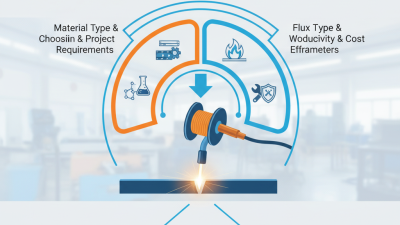
When selecting submerged arc welding (SAW) wire, various factors come into play. The type of project dictates your choice. For heavy industrial applications, wire diameter is crucial. Thicker wire often allows for deeper penetration and faster welding speeds. In contrast, thinner wires are more suited for precision work. Both scenarios require careful consideration of the welding position and the metal thickness.
It's also important to evaluate the alloy composition. Different materials show different behaviors during welding. For example, some alloys improve corrosion resistance, while others enhance mechanical properties. Matching the wire to the base material is essential for achieving quality welds. Ignoring this can lead to weak joints and potential failures.
Tips: Always review the project specifications. Understand the environmental conditions too. Humidity and temperature can affect the wire's performance. Test different wires before finalizing your choice. Small adjustments can lead to significant improvements. The challenge lies in balancing cost and quality, which often requires some experimentation.
Global Market Trends and Future Outlook for SAW Wire Buyers
The submerged arc welding (SAW) wire market is evolving rapidly. In recent reports, the global demand for SAW wire is projected to grow at a CAGR of 5.2% from 2022 to 2028. This growth is driven by rising applications in construction and shipbuilding sectors. Key regions, including Asia-Pacific and Europe, are expected to lead in consumption.
Market dynamics are changing. Buyers must monitor trends closely. A report from Market Research Future suggests that advancements in welding technology will impact SAW wire specifications. Additionally, the push for sustainability may urge companies to seek eco-friendly alternatives. Such shifts can enhance efficiency but may also introduce complexities.
**Tips:** Always evaluate supplier certifications. Check their compliance with industry standards. Engaging in collaborative forecasting can aid in aligning supply with demand. Consider regional factors affecting the availability of quality materials.
2026 Best Submerged Arc Welding Wire Market Trends
This chart shows the projected global demand for submerged arc welding wire from 2022 to 2026, highlighting the growth trend in the industry. As indicated, the demand is expected to steadily increase, reaching up to 220,000 tons by 2026.