Top 10 Pre Structured Building Solutions for Global Buyers?
The global construction industry is witnessing a transformative shift towards efficiency and speed, driven by Pre Structured Building solutions. According to a report by MarketsandMarkets, the modular construction market is projected to grow at a CAGR of 6.5%, reaching $157 billion by 2023. This growth is attributed to the increasing demand for fast-tracked construction methods, emphasizing the need for innovative solutions.
Pre Structured Building offers a streamlined approach to construction, reducing on-site labor and minimizing waste. The World Economic Forum highlights a potential 15% decrease in project delivery times using these methods. However, challenges remain, such as logistics management and integration with traditional building practices.
Adopting Pre Structured Building requires collaboration between stakeholders. Ensuring quality and meeting regulatory standards can complicate the process. Buyers must critically assess varying options in the market to find solutions that align with their specific needs. This article explores the top 10 Pre Structured Building solutions, aiming to empower global buyers with informed choices.
Introduction to Pre-Structured Building Solutions
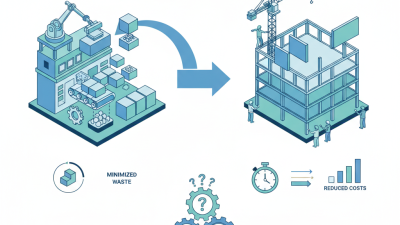
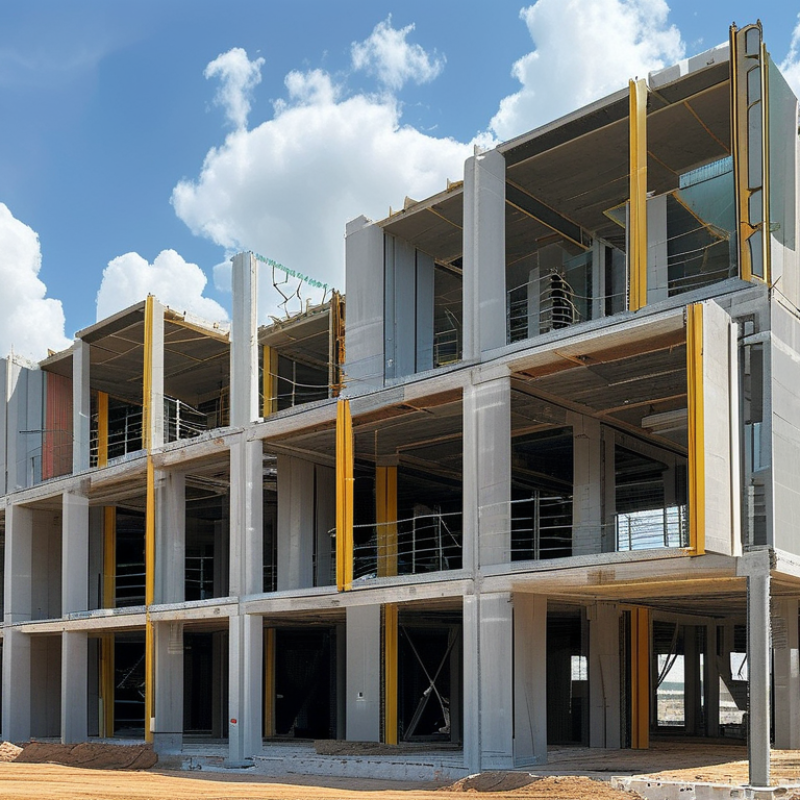
Pre-structured building solutions are transforming the construction industry. These buildings are designed to be flexible and efficient. They can be customized for different uses, from residential to commercial. The modular approach allows for faster construction times and reduced waste. This method is also appealing in terms of cost efficiency, making it a viable option for global buyers.
Many buyers appreciate the reduced environmental impact of pre-structured solutions. They often use sustainable materials and minimize energy consumption. However, some customers may need help with understanding local regulations. Each region has different requirements that might affect installation and use. Potential buyers must do their research to avoid future difficulties. Whether the goal is creating a new office space or developing housing, clarity in regulations is key.
Pre-structured buildings offer versatility but come with challenges. Customization can sometimes lead to increased costs. Buyers should weigh the pros and cons carefully. It’s essential to consult with experts who understand both design and local practices. This knowledge enhances the decision-making process and helps ensure successful project completion.
Top 10 Pre Structured Building Solutions for Global Buyers
| Solution Type |
Material Used |
Typical Applications |
Cost Range (per sq ft) |
Lead Time |
| Modular Buildings |
Steel and Wood |
Residential, Offices |
$100 - $150 |
6-12 weeks |
| Precast Concrete |
Precast Concrete |
Bridges, Buildings |
$80 - $130 |
8-16 weeks |
| Steel Frame |
Steel |
Commercial, Industrial |
$90 - $140 |
10-14 weeks |
| Container Homes |
Shipping Containers |
Eco-Friendly Housing |
$70 - $120 |
4-8 weeks |
| Fabric Structures |
Tension Fabric |
Sport Arenas, Warehouses |
$50 - $100 |
3-6 weeks |
| 3D Printed Homes |
Concrete and Polymer |
Innovative Housing |
$100 - $200 |
2-4 weeks |
| Timber Frame |
Wood |
Houses, Cabins |
$90 - $130 |
8-12 weeks |
| Insulated Concrete Forms (ICFs) |
Expanded Polystyrene |
Residential, Commercial |
$110 - $160 |
10-14 weeks |
| Structural Insulated Panels (SIPs) |
OSB and Foam |
Energy-Efficient Buildings |
$100 - $150 |
8-12 weeks |
Benefits of Using Pre-Structured Building Solutions
Pre-structured building solutions offer numerous benefits for global buyers. These solutions streamline construction processes, saving both time and money. By using pre-manufactured components, projects can be completed faster. This rapid turnaround can help meet tight deadlines in various markets.
In addition, these buildings can be environmentally friendly. Many pre-structured options use sustainable materials and energy-efficient designs. This can lead to reduced energy consumption in the long run. Buyers often appreciate the reduced environmental impact. Cost predictability is another significant advantage. Buyers can secure costs early in the project, minimizing unexpected expenses.
However, it’s essential to consider potential challenges. Customization options may be limited compared to traditional building methods. Buyers might feel restricted by the available designs. Furthermore, not all suppliers maintain consistent quality. Researching suppliers is crucial to ensure reliability. Ultimately, careful planning and consideration are necessary to navigate these aspects effectively.
Top Features to Consider in Pre-Structured Buildings
When considering pre-structured buildings, several key features stand out. Durability is paramount. These structures should withstand diverse weather conditions. Materials used must be resistant to corrosion and wear. A solid foundation can significantly extend the building's lifespan.
Energy efficiency is another critical aspect. Look for designs that incorporate insulation and energy-efficient windows. These features minimize heating and cooling costs. Additionally, eco-friendly materials should be prioritized. They contribute to sustainability and can improve indoor air quality.
**Tips:** Always check installation guidelines. Even the best structures can face issues if not installed correctly. Assess your intended use of the building. Different needs may require varying layouts and specifications.
Flexibility in design is also essential. The buildings should accommodate future expansions or modifications. This adaptability can save time and costs down the line. Lastly, ensure that safety features—including fire prevention and emergency exits—are built-in from the beginning. A thorough review of these aspects ensures the building meets both short-term and long-term needs.
Overview of the Leading Pre-Structured Building Solutions
In recent years, pre-structured building solutions have gained much attention. These systems offer streamlined construction methods, saving time and costs. The focus is on modular designs, allowing quick assembly. Many international buyers look for efficiency and sustainability in construction.
The leading solutions often include engineered materials. These materials enhance durability while minimizing waste. Additionally, they offer flexibility in design, making them suitable for various applications. Projects can range from residential to commercial spaces.
Price transparency is crucial in this market. A reliable supplier ensures that costs are clear and upfront.
However, buyers must critically evaluate options. Not all solutions may fit specific needs. Certain modules might lack customization, limiting their appeal. Testing different methods can lead to unexpected challenges. The market is evolving, and solutions should align with emerging trends. This balance between innovation and practicality is vital for successful implementations.
Market Trends in Pre-Structured Building Solutions for Global Buyers
The pre-structured building solutions market is evolving rapidly. As urbanization increases, global buyers seek efficient and sustainable options. This shift impacts design choices, materials, and construction techniques. Adopting modular construction can streamline projects, allowing for faster completion. The flexibility of these solutions caters to diverse needs in housing, schools, and commercial spaces.
Sustainability is a growing concern. Many buyers prioritize eco-friendly materials and energy-efficient designs. This trend pushes manufacturers to innovate. Solutions featuring recyclable materials gain popularity. However, challenges remain. Not all suppliers meet the required sustainability standards. Buyers must navigate this complex landscape carefully.
Quality assurance and inspection practices are essential. Buyers need reliable suppliers who maintain consistent standards. This ensures structural integrity and longevity. In this competitive market, transparency is crucial. It fosters trust between buyers and suppliers. As the market adapts, these elements will shape the future of pre-structured buildings.