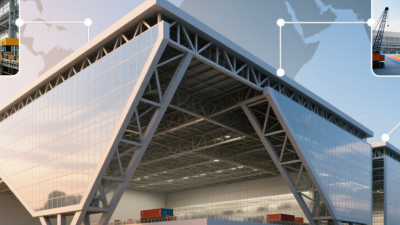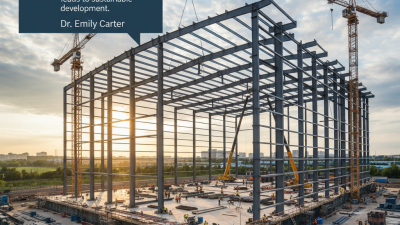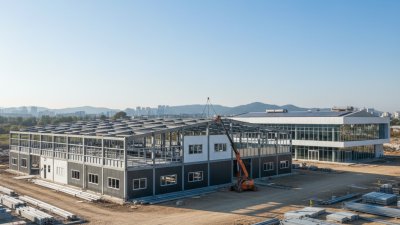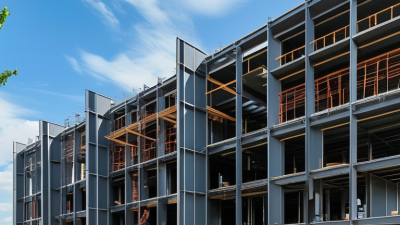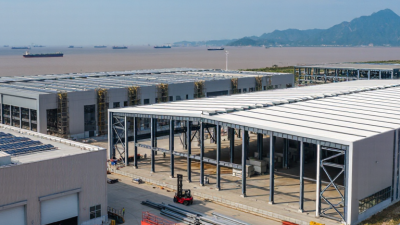
Choosing the top Prefabricated Steel Structures suppliers worldwide requires more than comparing factory photos or headline prices. This guide examines engineering depth, production capacity, certifications, delivery reliability, and project experience. The strongest suppliers can transform digital drawings into accurately fabricated frames, tested connections, and clearly labeled components. Details matter.
A serious evaluation should inspect the entire supply chain. Can the supplier manage structural calculations, BIM coordination, CNC cutting, welding, surface treatment, and site assembly? Does its factory handle large frames consistently? A 40-foot container, marked bolts, and a complete erection schedule may reveal more than polished marketing. Regional building codes also matter. A supplier experienced in Europe may not understand seismic requirements in Japan or wind loads in coastal Australia.
Construction sustainability expert Charles Kibert described sustainable construction as “the creation and responsible management of a healthy built environment based on resource-efficient and ecological principles.” That principle gives this comparison a practical standard. Prefabricated Steel Structures can reduce site waste, shorten construction periods, and improve material control, but those benefits are not automatic. Poor detailing, weak quality inspections, or delayed shipping can erase them quickly. No ranking is perfect. Supplier data may be incomplete, and some impressive claims deserve verification. Therefore, this overview weighs documented projects, third-party certifications, transparent communication, and after-sales support alongside price. The best choice is rarely the cheapest quotation. It is the supplier that remains dependable when drawings change, weather interrupts installation, or a critical connection needs clarification. Reliable performance counts.
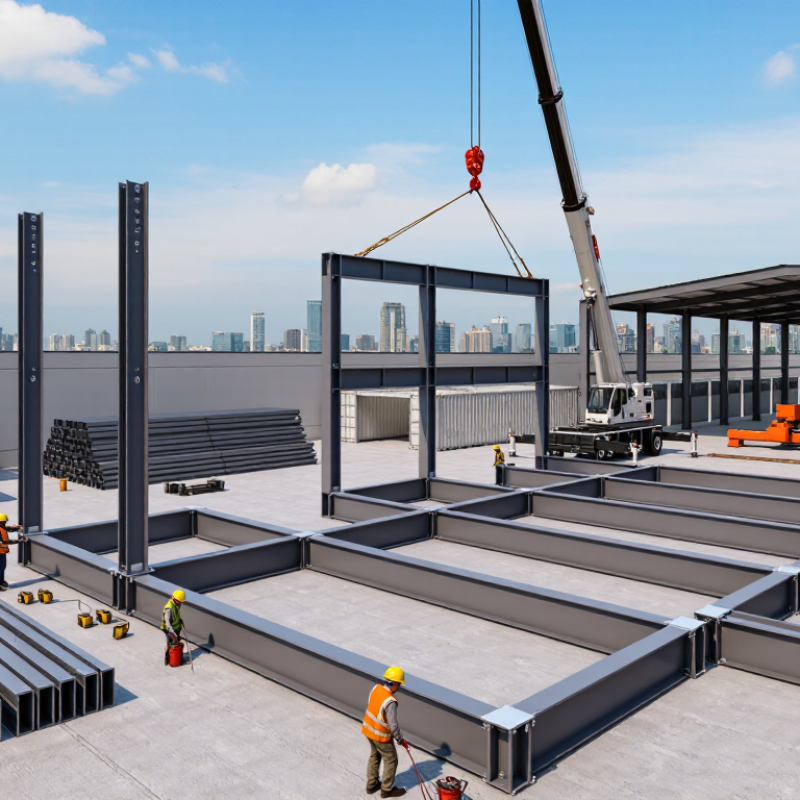
Global demand for prefabricated steel structures is rising as construction teams seek speed, consistency, and lower site disruption. Prefabricated steel structures support warehouses, logistics hubs, agricultural buildings, schools, and emergency facilities. In urban areas, factory production can reduce noise, waste, and traffic around crowded sites. On remote projects, shipped modules simplify installation where labor and equipment are limited. Demand is not uniform. In colder regions, insulated envelopes and reliable connections are essential for year-round performance. In coastal zones, corrosion protection requires careful material selection and regular inspection.
Choosing capable suppliers requires more than comparing prices. Experienced suppliers should provide verified steel grades, welding records, load calculations, and clear installation drawings. Factory quality control matters, but transport damage and inaccurate site measurements can still create delays. Project teams should review fire resistance, drainage, seismic requirements, and local engineering standards before ordering. A small mismatch in column spacing can affect cladding, cranes, and interior equipment. That lesson is easy to overlook.
Applications are also becoming more adaptable. Modular medical units can be installed near expanding communities, while steel frames support solar canopies and large cold-storage facilities. Digital modeling improves coordination between fabricators, engineers, and contractors. However, software does not replace field judgment. A design that works in one climate may perform poorly elsewhere. Regular maintenance plans, accessible inspection points, and realistic delivery schedules remain practical signs of supplier reliability.
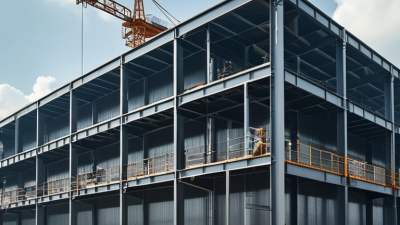
Evaluating prefabricated steel structure suppliers requires more than comparing prices. An experienced supplier should provide completed project records, qualified engineers, and clear production procedures. Ask for structural calculations, shop drawings, material certificates, and welding qualifications. Their design must reflect local wind, snow, seismic, and fire requirements. Details matter. A reliable team also explains design changes in plain language, rather than hiding them behind technical terms.
Factory quality deserves direct attention. Request evidence of steel traceability from delivery to fabrication. Check cutting accuracy, weld inspection, coating thickness, and dimensional control. Independent testing can verify strength and corrosion protection. References should include projects with similar spans, climates, and building uses. Photos are useful, but site visits reveal more. A polished presentation does not always prove consistent workmanship.
International reliability includes logistics and contract discipline. Confirm packaging methods, loading plans, delivery responsibilities, insurance, and customs documents. The agreement should define tolerances, inspection stages, installation support, payment milestones, and remedies for delays. Ask who answers technical questions after shipment. Some suppliers communicate well before signing, then respond slowly during construction. That risk is easy to underestimate. A careful buyer should also review local code approval and installer capability before production begins. One overlooked interface, such as anchor bolts or roof drainage, can disrupt an otherwise accurate steel package. That is uncomfortable, but realistic.
Top Prefabricated Steel Structures Suppliers Worldwide?
Regional strength often follows steel capacity, engineering skills, and port access. The World Steel Association reported global crude steel production near 1.9 billion tonnes in 2023. East Asia remains the largest manufacturing base, while South Asia is expanding fabrication capacity and infrastructure demand. Europe competes through precision engineering, energy-efficient design, and strict compliance. North America has strong demand for warehouses, data centers, and modular commercial buildings. The Gulf region is also important, especially for rapid industrial and logistics projects.
Supplier categories differ by project risk. Integrated fabricators provide engineering, shop drawings, fabrication, and site installation. Design-build contractors offer one accountable delivery route. Component specialists focus on frames, connection systems, floor decks, or insulated panels. Regional distributors support smaller projects with standard members and accessories. A 2024 Dodge Construction Network SmartMarket report found that prefabrication and modular methods continue gaining attention because they can reduce site labor and improve schedule control.
Still, supplier comparisons are rarely simple. Steel capacity does not prove installation reliability. The 2024 World Steel Association data measures production, not project quality. Buyers should examine weld procedures, coating specifications, third-party inspections, tolerances, and documented delivery records. Freight distance matters too. A lower factory price can disappear after ocean transport, customs handling, and local modifications. I would also question generic claims about “fast construction.” Weather, foundation readiness, and approval timelines can change the result. The regional map helps, but it is not perfect.
A practical global comparison of supplier ecosystems, prefabricated product categories, technical capabilities, and commonly applied standards. Regional positioning reflects industrial scale, fabrication infrastructure, export activity, and established construction practice rather than a ranking of individual companies.
| Leading Region | Dominant Supplier Category | Common Prefabricated Steel Products | Typical Project Strengths | Relevant Codes and Standards | Procurement Considerations |
|---|---|---|---|---|---|
| East Asia | Large-scale fabricators Export-oriented EPC suppliers | Pre-engineered buildings, industrial warehouses, logistics centers, steel bridges, modular units, and heavy structural frames. | High production capacity, broad material availability, automated fabrication, and strong experience with large industrial and infrastructure projects. | Chinese national steel and building codes; Japanese and Korean structural standards; ISO-based quality-management systems; project-specific seismic requirements. | Confirm mill certificates, welding procedures, coating systems, dimensional tolerances, independent inspection, and the supplier’s ability to meet destination-country codes. |
| South Asia | Building-system manufacturers Industrial steel contractors | Pre-engineered industrial buildings, factory sheds, cold-storage structures, commercial halls, mezzanines, and steel roof systems. | Competitive fabrication and engineering services, a large construction workforce, and extensive use of steel buildings in manufacturing, warehousing, and infrastructure. | IS 800, IS 875, IS 2062, and related national standards; international standards may be used when required by the project owner or financier. | Review design responsibility, local wind and seismic assumptions, hot-rolled versus cold-formed sections, corrosion protection, and installation resources. |
| Southeast Asia | Regional fabricators Turnkey industrial contractors Modular suppliers | Factory buildings, distribution centers, commercial structures, containerized modules, pedestrian bridges, and lightweight steel framing. | Strong demand from manufacturing, logistics, ports, data centers, and tourism-related construction; suppliers commonly support humid and tropical environments. | Eurocodes, American standards, Australian standards, and national building regulations are all used depending on the country and project requirements. | Specify marine or tropical corrosion protection, drainage and ventilation details, wind uplift design, fire protection, and shipping or island-delivery requirements. |
| Europe | Engineered building-system suppliers Specialist modular manufacturers | Steel halls, modular buildings, residential modules, transport structures, architectural steelwork, and energy-efficient envelope systems. | Advanced design coordination, factory production control, sustainability documentation, high-quality detailing, and strong integration with BIM workflows. | EN 1990, EN 1991, EN 1993, EN 1090, CE-marking requirements where applicable, and national annexes for country-specific design parameters. | Check execution class, traceability, CE or equivalent conformity documentation, embodied-carbon data, fire performance, and compatibility with local planning rules. |
| North America | Metal-building-system suppliers Design-build contractors Modular construction firms | Pre-engineered metal buildings, distribution facilities, agricultural buildings, commercial steel frames, modular classrooms, and data-center structures. | Mature design-build procurement, standardized building systems, extensive use of cold-formed secondary framing, and strong code-based engineering practice. | AISC 360, AISI S100, ASCE 7, International Building Code, CSA S16, NBCC, and applicable fire and energy codes. | Confirm snow, wind, seismic, and tornado loads; verify insulation and energy-code compliance; clarify stamped-engineer obligations and site-erection scope. |
| Latin America | Industrial steel fabricators Local EPC contractors | Mining facilities, agricultural warehouses, logistics buildings, retail structures, processing plants, and steel bridges. | Strong demand from mining, agriculture, manufacturing, energy, and logistics; local suppliers often provide fabrication, transport, and erection as one package. | National building codes, regional seismic provisions, AISC or Eurocode-based engineering, and local welding and material requirements. | Assess local steel availability, import duties, transport routes, seismic design, foundation interfaces, site labor, and after-sales maintenance support. |
| Gulf and Middle East | Turnkey EPC suppliers Heavy steel fabricators Temporary-structure suppliers | Warehouses, industrial plants, aircraft hangars, accommodation modules, stadium-related structures, canopies, and large-span buildings. | Experience with high temperatures, desert conditions, large-span roofs, fast-track construction, industrial developments, and major infrastructure programs. | International Building Code, AISC, Eurocodes, British Standards, local municipal regulations, and project-specific fire and civil-defense requirements. | Specify UV-resistant coatings, dust control, thermal movement, fire protection, condensation management, lifting plans, and accelerated delivery schedules. |
| Oceania | Engineered steel-building suppliers Modular and remote-site contractors | Industrial sheds, mining camps, agricultural buildings, modular accommodation, commercial structures, and coastal infrastructure. | Strong capability in cyclone, seismic, bushfire, coastal, and remote-site construction; prefabrication helps reduce on-site labor and transport time. | AS/NZS 1170, AS 4100, AS/NZS 4600, AS/NZS 1163, National Construction Code requirements, and project-specific cyclone or bushfire provisions. | Confirm regional wind classifications, corrosion category, bushfire requirements, transport dimensions, remote-site assembly procedures, and local certification. |
| Africa | Regional steel contractors Imported building-system suppliers Mining and infrastructure EPC firms | Warehouses, agricultural buildings, mining facilities, workshops, schools, clinics, prefabricated accommodation, and solar-support structures. | Practical use in mining, agriculture, logistics, public facilities, and off-grid projects; lightweight prefabrication can reduce construction time and site complexity. | Local building regulations, SANS standards in relevant markets, British Standards, Eurocodes, AISC, and project-financier specifications. | Evaluate port-to-site logistics, local erection capability, spare materials, power and water availability, corrosion exposure, security, and long-term maintenance access. |
Choosing among top prefabricated steel structure suppliers worldwide requires more than comparing prices. Manufacturing discipline often separates reliable projects from expensive repairs. Inspect cutting lines, welding stations, and coating areas when possible. Check heat-number traceability from raw steel to finished components. Shop-floor evidence matters. Skilled teams should follow approved drawings, welding procedures, and dimensional tolerances. They should also record corrections instead of hiding them.
Tips: Request mill certificates, welding qualifications, inspection reports, and coating measurements. Confirm whether ultrasonic or magnetic-particle testing suits the critical connections. Review sample documents before signing. Certification deserves careful reading. Ask which standards apply, who issued them, and whether certificates cover the exact production site. Independent inspectors can verify weld quality, bolt placement, surface preparation, and packing conditions before shipment.
No factory is flawless. Even experienced suppliers can miss a hole location or record an incorrect batch number. That admission is important because reliable quality systems detect and correct mistakes. A clean certificate package can still hide weak factory controls. Cross-check documents against marked steel members, weld maps, photographs, and inspection dates. Suppliers with practical experience usually explain risks clearly, including transport damage, installation tolerances, and weather exposure. They should not promise perfection. They should provide traceable evidence, realistic schedules, and a corrective-action process that works when something goes wrong.
This chart compares the specified minimum yield strength of widely used structural steel grades under EN and ASTM standards. These material benchmarks support supplier evaluation through mill certificates, chemical and mechanical testing, dimensional inspection, weld quality checks, and coating control. The values represent standard requirements rather than the performance of any individual company.
Choosing among prefabricated steel structure suppliers requires more than comparing quoted prices.
A reliable supplier should understand your site, climate, occupancy, and construction schedule. Ask for verified project references with similar spans, loads, and building functions. Request drawings, material specifications, welding procedures, and inspection records before signing an agreement. A professional supplier will explain assumptions clearly, not hide them inside technical language.
Study the complete supply chain. Confirm who engineers the frame, checks connections, protects steel surfaces, and manages delivery.
Ask how tolerances are measured when columns arrive on site. Small errors can delay cranes, cladding, and interior work. Delivery planning matters too. A detailed packing list and labeled components can save hours in muddy conditions.
Check whether the supplier provides erection guidance and responds quickly to technical questions.
Slow answers are warning signs. Very slow answers are worse.
Price still matters, but the lowest offer may exclude engineering revisions, corrosion protection, or replacement parts.
Compare identical specifications line by line. Include transport, unloading, local supervision, and future maintenance.
One practical lesson is easy to miss: a supplier can be technically strong yet unsuitable for your communication style. Time zones, language gaps, and unclear responsibilities create real costs.
Leave room for review. Some project assumptions will be wrong, and a trustworthy supplier should help correct them before fabrication begins.