inquiry
Leave Your Message

How to Choose Prefabricated Steel Structures?

Choosing Prefabricated Steel Structures is not simply a matter of selecting the lowest quotation. It is a practical decision about safety, durability, production control, transport, and future maintenance. A structure may look efficient on paper yet become expensive when road access, crane capacity, or local weather conditions are ignored. Small details matter. A narrow site entrance can delay delivery. A poorly planned connection can complicate installation.

Dr. Charles Kibert, a respected construction-sustainability scholar, stated, “The construction industry is one of the largest consumers of natural resources and generators of waste.” This observation explains why Prefabricated Steel Structures deserve careful consideration. Factory production can reduce material waste, improve dimensional accuracy, and shorten work on site. However, prefabrication is not automatically sustainable. Excessive transport distances, repeated design changes, or unsuitable coatings can weaken its environmental advantages.

The right choice begins with the building’s purpose. Warehouses, workshops, agricultural facilities, offices, and public buildings require different structural solutions. Buyers should examine steel grades, connection systems, fire protection, corrosion resistance, insulation, and supplier experience. Ask for engineering calculations, quality records, and completed project evidence. Do not rely on attractive renderings alone.

Budget matters, but lifecycle value matters more. A cheaper frame may require frequent repairs or difficult upgrades. An expensive option may offer better protection and longer service. That sounds simple. It is not always.

This guide explores how to compare suppliers, specifications, fabrication methods, and installation plans. It also recognizes an uncomfortable truth: even experienced teams can overlook site conditions. Careful questioning remains essential.
How to Choose Prefabricated Steel Structures?

Definition and Main Types of Prefabricated Steel Structures

How to Choose Prefabricated Steel Structures?

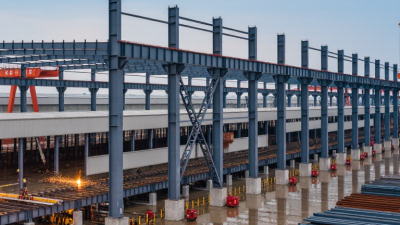
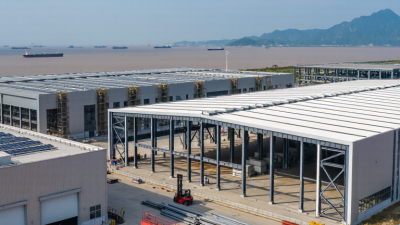
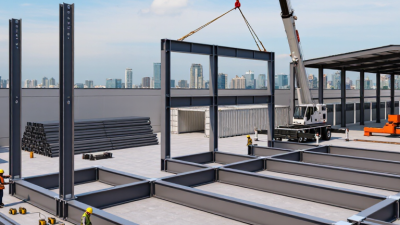
Prefabricated steel structures are factory-made components assembled on site. Their parts may include columns, beams, frames, panels, and roof trusses. Manufacturers cut and drill steel under controlled conditions before delivery. This process can reduce site work, but transport and lifting still require careful planning.

The World Steel Association reported 1.89 billion tonnes of crude steel production worldwide in 2023. That scale supports steel’s industrial availability, although availability does not guarantee a suitable design.

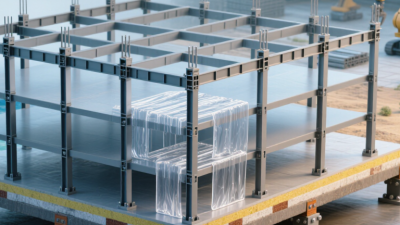
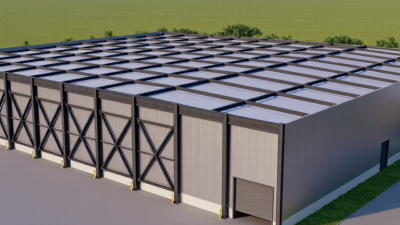
The main types serve different building needs. Portal frames suit warehouses, workshops, and agricultural buildings with wide, open interiors. Modular volumetric units arrive as nearly complete rooms, including floors and services.

Panelized systems use factory-made wall and roof sections, offering flexible layouts and faster enclosure. Light-gauge steel framing fits smaller buildings and repetitive residential projects. Heavy structural frames handle larger spans and greater loads.

Choose based on span, wind, snow, fire resistance, transport access, and future expansion. Not only price.

A practical review should compare connection details, corrosion protection, fabrication tolerances, and local engineering standards. The World Green Building Council identifies buildings as responsible for roughly 39% of global energy-related carbon emissions, including construction impacts.

Steel can support efficient construction, but its embodied carbon still deserves attention. Recycled content, efficient foundations, and design for disassembly can improve the result.

A tidy type list can mislead. Site conditions often change the best answer.
Project Requirements and Site Conditions to Evaluate

How to Choose Prefabricated Steel Structures?

Choosing prefabricated steel structures starts with the project, not the catalog. Define span, clear height, floor loads, occupancy, fire strategy, and expected service life. A small workshop may need wide access doors, while a storage building may require higher eaves and stronger floor slabs. Write these requirements before comparing drawings. Missing one can create expensive changes later. It happens more often than teams admit.

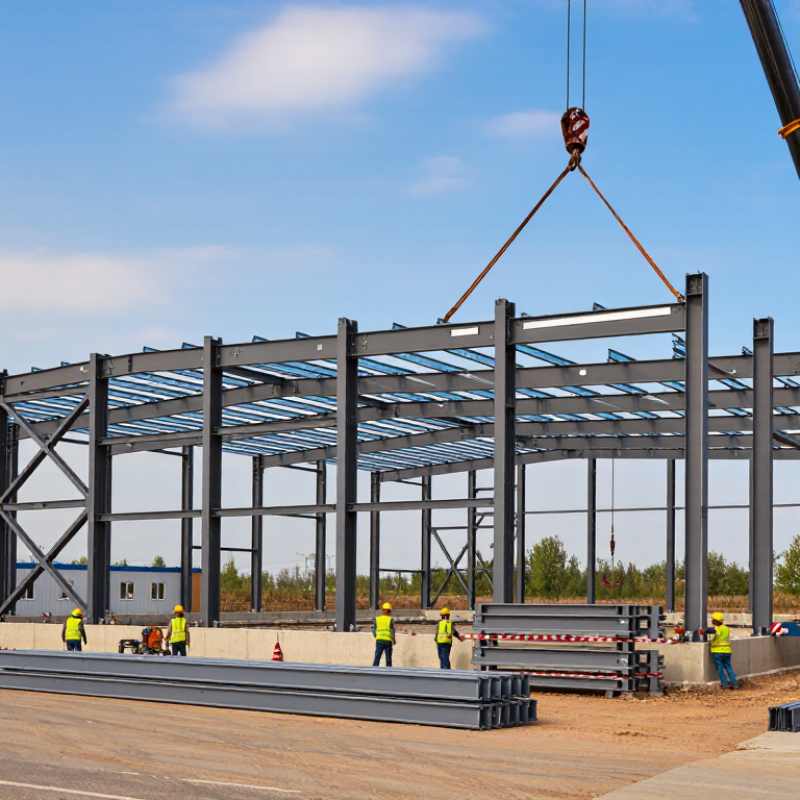
Site conditions can change the answer completely. Measure soil bearing capacity, groundwater, wind exposure, snow depth, seismic risk, and drainage paths. Check delivery routes, turning space, crane reach, and temporary storage areas. A 12-meter beam is useless if local roads cannot carry it safely. Record nearby buildings, overhead lines, and boundary limits. Survey in rainy weather if possible. Dry-season observations can be misleading.

Ask engineers to match the frame, connections, cladding, insulation, and foundations to verified data. Require calculations, material certificates, corrosion protection details, and a clear inspection plan. Steel near salt air needs disciplined coating maintenance, not optimistic wording. I have seen schedules fail because foundation levels differed by only a few centimeters. Recheck tolerances on site. Allow contingency for weather, late utilities, and minor design revisions. The cheapest initial option may become the least reliable choice. Review the decision with a qualified local professional before fabrication begins.

Structural Design, Materials, and Manufacturing Quality

Choosing prefabricated steel structures requires more than comparing prices. Structural design, materials, and manufacturing quality control the building’s real performance.

Start with the design.

A sound design matches span, load, wind exposure, fire strategy, and future alterations. Engineers should verify calculations against the applicable building code. They should also inspect connection details, not only member sizes. On-site assembly depends on millimetre-level accuracy.

The World Steel Association reported 1,892 million tonnes of crude steel production in 2023.

That scale does not guarantee quality. Ask for heat numbers, mill certificates, and traceable coating records. Do not rely on a product brochure.

Manufacturing quality is visible in small details.

Factory audits should review welding procedures, welder qualifications, bolt control, cutting accuracy, and non-destructive testing records. Dimensional checks should happen before loading, not after a difficult site correction. ISO 9001 certification can support process control, but it cannot replace project-specific inspection.

UNEP’s 2023 Global Status Report noted that buildings and construction consumed 32% of global energy and produced 34% of global CO2 emissions in 2022.

Material efficiency therefore matters. Compare steel tonnage, coating durability, repair access, and expected service life. Recycled content may help, but documentation must confirm it.

I have seen well-designed frames delayed by poorly marked parts. That mistake was avoidable.

A cheaper structure can become expensive through rework, transport damage, or unclear drawings. I still treat any single quality score as incomplete. Review the evidence behind it.

Cost, Installation Time, and Long-Term Maintenance Factors

How to Choose Prefabricated Steel Structures?

Cost should be measured beyond the purchase price. A reliable estimate includes design, foundation work, transport, lifting equipment, insulation, and connections. I have seen low quotes become expensive after site drainage problems appeared. Check whether the supplier clearly separates material, labor, and delivery costs. Ask for a contingency allowance of around 10% to 15%, depending on site uncertainty. Local soil conditions can change the foundation budget quickly. An independent structural engineer should review load calculations and regional building requirements.

Installation time is a major advantage of prefabricated steel structures, but preparation controls the schedule. Factory-made columns may arrive ready for assembly, reducing cutting and welding on site. However, delayed permits or an unfinished foundation can leave steel components waiting in storage. Confirm delivery sequences, crane access, and weather protection before fabrication begins. A practical schedule should include inspection points, not just an optimistic completion date. My early estimates were too confident. Transport restrictions can also create unexpected gaps between deliveries.

Long-term maintenance depends on exposure, coating quality, drainage, and access for inspection. In coastal or industrial areas, protective systems may need closer monitoring because corrosion develops faster. Inspect joints, roof edges, gutters, and base plates at least annually. Remove standing water and repair damaged coatings before rust spreads under the surface. Maintenance is often overlooked. Keep clear records of inspections, repairs, and coating products. These details help engineers diagnose problems accurately and support safer decisions years later.

Safety Standards, Suppliers, and Final Selection Criteria

How to Choose Prefabricated Steel Structures?

Safety standards should guide every decision, not merely decorate the supplier’s brochure. Confirm compliance with applicable building codes, seismic requirements, fire protection rules, and wind-load calculations. Ask for stamped structural drawings from qualified engineers. Request mill certificates, welding procedures, inspection records, and coating specifications. Each steel member should be traceable from production to delivery.

Check the supplier’s actual experience with similar buildings, site conditions, and installation methods. A factory tour can reveal more than polished photographs. Look for organized storage, calibrated equipment, documented quality checks, and workers using appropriate protective equipment. Ask how the supplier handles dimensional errors, damaged components, and late shipments. Their answers matter.

Final selection should compare more than the purchase price. Review design support, transport planning, erection tolerances, maintenance access, warranty terms, and response times. Include foundation requirements and local labor costs in the calculation. A low quotation may hide expensive site adjustments. It happens.

Request references from completed projects and speak with their owners directly. Verify whether promised delivery dates were realistic. I would also ask for a sample connection detail before signing. Small details can expose large coordination problems. No checklist is perfect, and soil conditions or permit changes may still disrupt the plan. Leave contingency time and budget for those risks.

How to Choose Prefabricated Steel Structures?

Minimum specified yield strength is one important comparison factor when reviewing structural steel options. The values below are representative requirements for commonly referenced grades; actual capacity depends on thickness, design code, loading, connection design, fabrication quality, corrosion protection, and fire performance.

Supplier and Final Selection Criteria

Before selecting a supplier, verify current compliance with the applicable structural design standard, certified material documentation, welding quality controls, dimensional tolerances, traceability, factory inspection procedures, delivery capability, installation support, and warranty terms. The final choice should be based on the complete engineering and procurement requirements rather than yield strength alone.