inquiry
Leave Your Message

10 Tips for Choosing Steel Structure Buildings?

Choosing Steel Structure Buildings is not simply a matter of comparing prices per square metre. A successful decision begins with the building’s purpose, site conditions, local climate, and expected service life. A warehouse near a humid coast faces different risks from a workshop in a dry, snowy region. Salt, wind, snow, fire exposure, and soil movement all influence the design. Local ground investigations also help determine suitable foundations and connection details.

This guide presents ten practical tips for evaluating steel building options with greater confidence. It considers structural engineering, material quality, fabrication accuracy, corrosion protection, insulation, fire performance, transportation, installation, maintenance, and supplier support. Look for documented steel grades, traceable inspection records, clear load calculations, and drawings reviewed by qualified professionals. Ask how connections are tested. Ask who manages changes on site. Request realistic schedules and clearly defined responsibilities.

Details matter.

A door that is too narrow can disrupt daily logistics. Thin insulation can create condensation, uncomfortable heat, and higher energy costs. A low initial quote may exclude foundations, cranes, drainage, or protective coatings. That omission can become expensive. Yet steel is not automatically the right choice for every project. I have seen plans focus on fast erection while overlooking future expansion, maintenance access, or local workmanship. That is a useful warning, not a minor detail. Reliable choices come from comparing complete lifecycle costs, realistic schedules, supplier experience, warranty terms, and independent technical advice. Use these tips to question assumptions, verify promises, and select a structure that remains safe, practical, and adaptable long after installation.
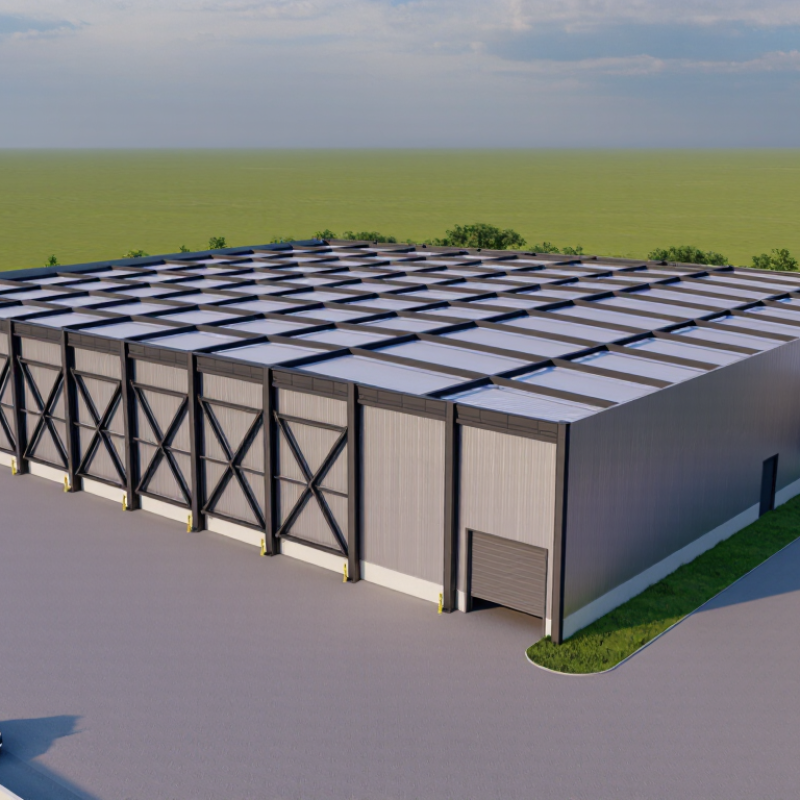
10 Tips for Choosing Steel Structure Buildings?

Define the Building’s Purpose, Size, and Performance Requirements

10 Tips for Choosing Steel Structure Buildings: Define the Building’s Purpose, Size, and Performance Requirements

A steel building should begin with its intended use, not its exterior appearance. A warehouse needs clear spans, forklift clearance, and durable floor loading. An office requires daylight, acoustic control, fire resistance, and comfortable temperatures. Record the building’s purpose, occupancy, operating hours, equipment, and future changes. These details shape the frame, cladding, foundations, and mechanical systems. Do not guess the size. Measure storage heights, vehicle routes, maintenance zones, and expansion space. A five-metre height error can affect both costs and daily safety.

Performance requirements deserve equal attention. Identify wind, snow, seismic, impact, corrosion, fire, and thermal conditions for the site. Ask for limits on deflection and vibration, not only ultimate strength. The 2024 Global Status Report for Buildings and Construction reports that buildings consumed about 32% of global energy and produced approximately 34% of global carbon dioxide emissions in 2022. Therefore, insulation, airtightness, shading, and efficient services should enter the brief early. Steel quantity alone does not define sustainability. The World Steel Association reported global crude steel production of about 1.89 billion tonnes in 2023, showing the material’s scale, but not automatically its environmental performance.

A neat spreadsheet can still miss real work patterns. Review drawings with operators. Test awkward scenarios. If a future crane, solar array, or mezzanine is possible, state it now. Overdesign wastes money, yet underestimating change can be worse.#+#+
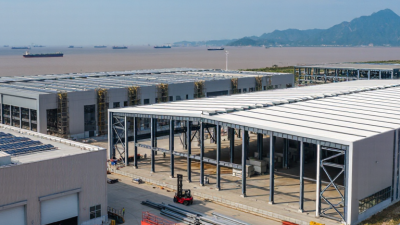
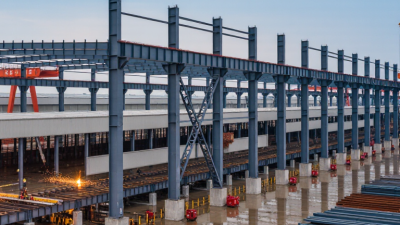
Check Local Building Codes, Standards, and Site Conditions

Check Local Building Codes, Standards, and Site Conditions

Steel buildings are not selected from a catalog alone. Local rules govern structural loads, fire resistance, insulation, drainage, and emergency access. Start with the adopted building code, then confirm required steel design standards, welding procedures, anchor details, and inspection levels.

ASCE 7-22, for example, assigns site-specific values for wind, snow, ice, and seismic hazards. European projects may follow Eurocodes instead.

A qualified engineer should review the geotechnical report before sizing the frame. Soil bearing capacity, groundwater, settlement risk, and frost depth directly affect foundations. Walk the site, too. Note overhead lines, narrow delivery routes, flood levels, nearby structures, and possible corrosion from salt or chemicals. Small oversights become expensive after fabrication. Very expensive.

FEMA’s Building Codes Save study estimated that modern codes avoided about 1.6 billion dollars in natural-disaster losses from 1980 to 2018. It projected potential savings of 132 billion dollars by 2060. The data supports careful compliance, but codes cannot replace judgment.

A standard soil value may not reflect a filled lot or uneven ground. I would also question generic quotations that exclude permits, testing, drainage, or foundation changes. The International Energy Agency reports that steel production creates roughly 7% of global energy-related emissions, so durability and efficient material use deserve attention during design.

Compare Structural Systems, Materials, and Protective Coatings

Choosing a steel structure building starts with comparing the structural system, not just the quoted price.

Portal frames suit clear-span warehouses, while trusses can reduce weight across wider spaces. Rigid frames offer strong continuity, but their connections may cost more. Ask how each system handles wind, snow, seismic loads, future equipment, and expansion.

Material selection deserves equal attention. Compare steel grade, section thickness, connection type, and fabrication tolerances.

Higher-strength steel may reduce member size, yet it can increase welding controls and inspection requirements. A licensed structural engineer should verify calculations against local codes and site conditions.

I once reviewed a low-cost proposal that ignored drainage near column bases. It looked efficient on paper. It was not.

Protective coatings must match the exposure environment.

Indoor dry spaces may need a simpler primer system, while coastal air demands stronger corrosion protection and careful edge treatment. Zinc-rich primers, epoxy layers, and polyurethane topcoats offer different durability and maintenance needs.

Fire-resistant coatings can also protect load-bearing members, but their thickness requires documented testing and inspection.

Check surface preparation, coating thickness, repair procedures, and access for future repainting.

Small gaps matter. Even the best coating fails when water remains trapped behind a connection plate. Some specifications sound complete but leave maintenance unclear, which is an uncomfortable detail worth questioning.

Evaluate Suppliers, Engineering Services, Costs, and Delivery Schedules

Choosing a steel structure building requires more than comparing headline prices. A supplier should provide licensed engineering, calculation notes, connection details, and material traceability. Ask for mill test certificates and documented welding procedures. World Steel Association data recorded about 1.89 billion tonnes of crude steel production in 2023, but volume alone does not prove quality.

Tip 1: Evaluate engineering before pricing. Confirm design loads, corrosion protection, fire requirements, and local code compliance. Request a sample calculation package. If the supplier cannot explain deflection limits clearly, pause the decision. Independent review costs money, but redesign costs more.

Tip 2: Separate the cost. Check steel tonnage, fabrication, coatings, transport, erection, crane access, taxes, and foundations. A low quotation may exclude site preparation or connection hardware. KPMG’s 2023 Global Construction Survey found only 31% of projects met original cost targets within a 10% range. That figure should encourage stronger contingencies, not blind optimism.

Tip 3: Test the delivery schedule in detail. Require dates for approved drawings, procurement, fabrication, inspection, shipment, and erection. Ask which activities control the critical path. Include realistic float for port delays and weather. “Fast delivery” means little without a weekly production schedule.

A practical warning remains. Even experienced teams can underestimate coordination between structural steel, cladding, and mechanical services. I would review interfaces twice, because one overlooked opening can delay an entire installation. Fancy software cannot repair weak communication.

Plan for Construction Quality, Inspection, Maintenance, and Future Expansion

10 Tips for Choosing Steel Structure Buildings

Plan construction quality before selecting a steel structure building. Ask for certified mill reports, welding procedures, and coating specifications. AISC 360-22 defines detailed requirements for steel design, fabrication, and quality assurance. Independent inspections should verify bolt tension, weld continuity, column alignment, and corrosion protection. Small errors become expensive after cladding is installed.

Use a documented inspection schedule during construction. Check delivery records, weld repairs, anchor bolts, and drainage details. Field experience shows that water often causes more damage than visible overload. The U.S. Department of Energy’s Operations and Maintenance Best Practices Guide reports potential energy savings of 5–20% through effective maintenance. Protect insulation, seals, roof panels, and ventilation paths. Maintenance is not glamorous.

Plan access for future inspections. Include safe walkways, lighting, drainage outlets, and replaceable roof components. Keep digital drawings and inspection photographs in one controlled record. World Steel Association data indicates that more than 650 million tonnes of steel are recycled globally each year. Reusable steel supports adaptable expansion, but connections still need careful engineering. Reserve structural capacity, utility routes, and clear setbacks for future bays. This costs more today. Sometimes, that is the wiser mistake.